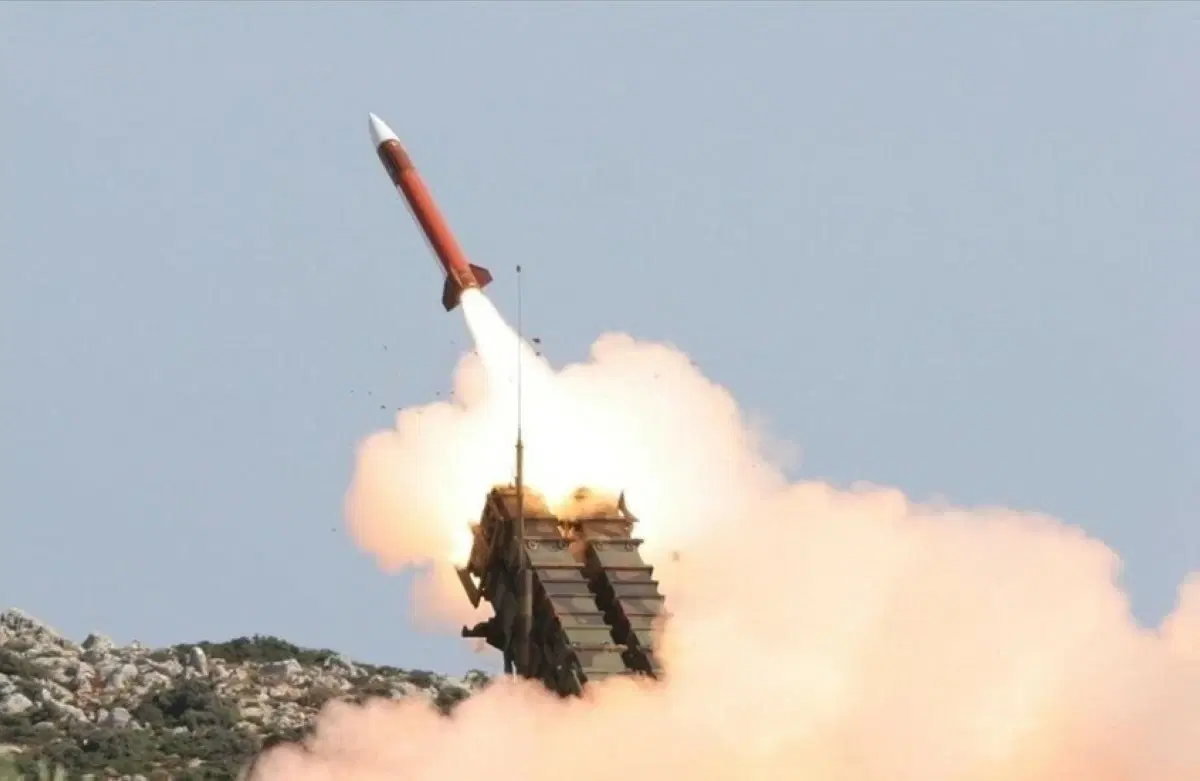
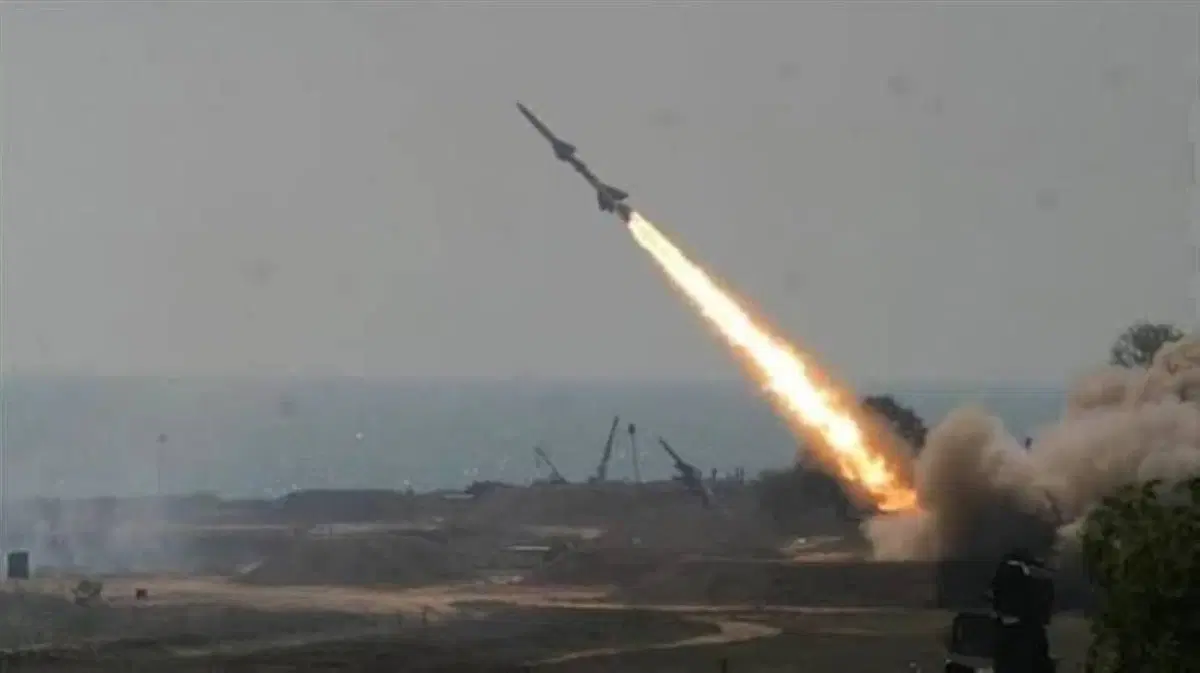
The Houthis also announced a blockade on the Kingdom's ports overlooking the Red Sea and launched attacks on its oil tankers, while asserting that navigation through the Bab al-Mandab Strait remains "safe" for all parties except the Kingdom.
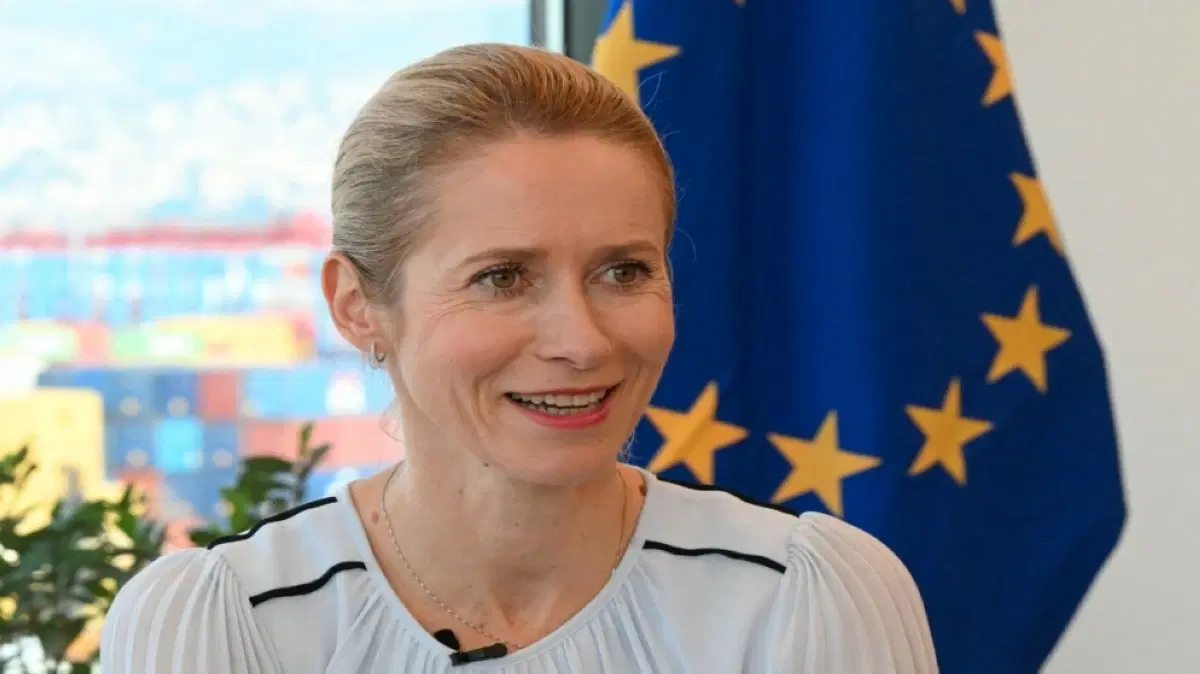
Speaking on the sidelines of a visit to Beirut, she said, "We have called on member states to provide more warships" designated "to escort commercial vessels on their way out of the Bab al-Mandab and the Red Sea."
She added, "We see that the list of ships needing escort is growing."
She explained, "The good news is that member states are already providing more ships, as Belgium will join with new vessels, and two other member states are providing, or are actively considering providing, new ships to enhance our ability to meet the needs of all ships requiring escort."
The mission requires a minimum of 10 ships to carry out its tasks, according to Kallas, who said at the same time, "We do not currently have this number, but we are working to reach it."
The European Union launched the "Aspides" mission in 2024 to protect commercial shipping from previous Houthi attacks on vessels in the Red Sea.
The Houthis' field progress has raised growing concerns about a further decline in global oil supplies, at a time when Iran is imposing restrictions on shipping traffic through the Strait of Hormuz since the start of the Iran war.
Kallas stated that "maritime security is clearly... one of our priorities," confirming the European Union's determination to "contribute to maintaining the continuity of shipping traffic through the Red Sea."