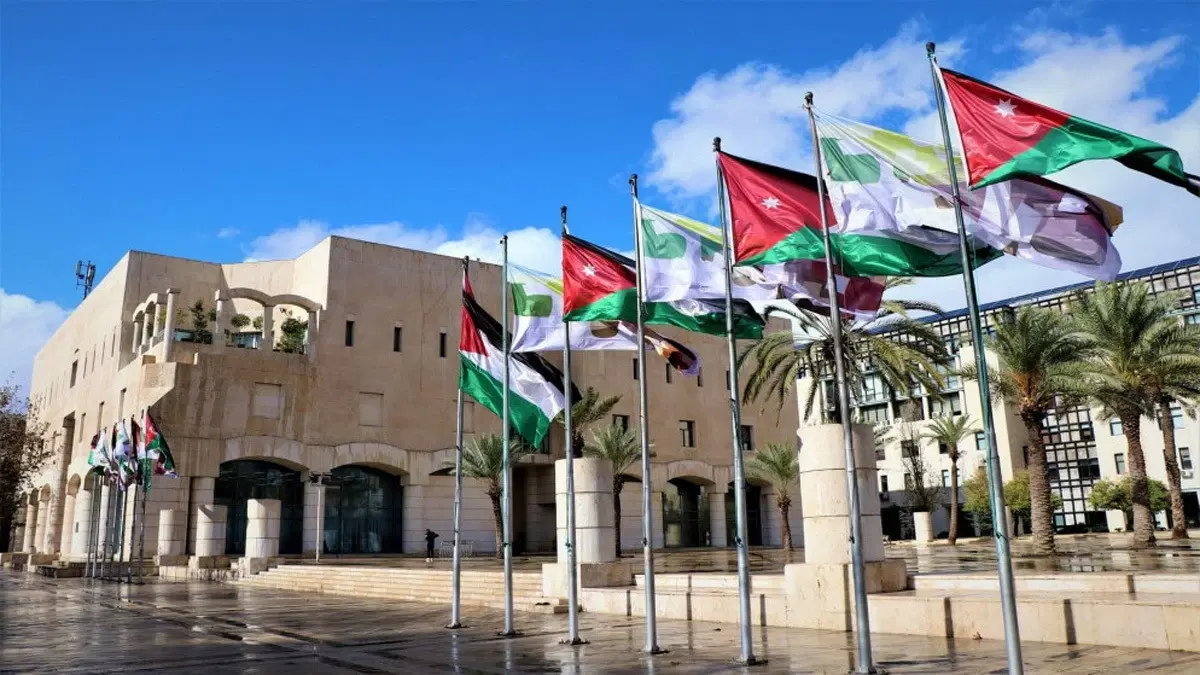
Experts: New alliances include food, energy, water, and technology
The requirement is to transform political capital into institutional partnerships
Follow Al Rai

Jordanian diplomacy moves to protect national interests
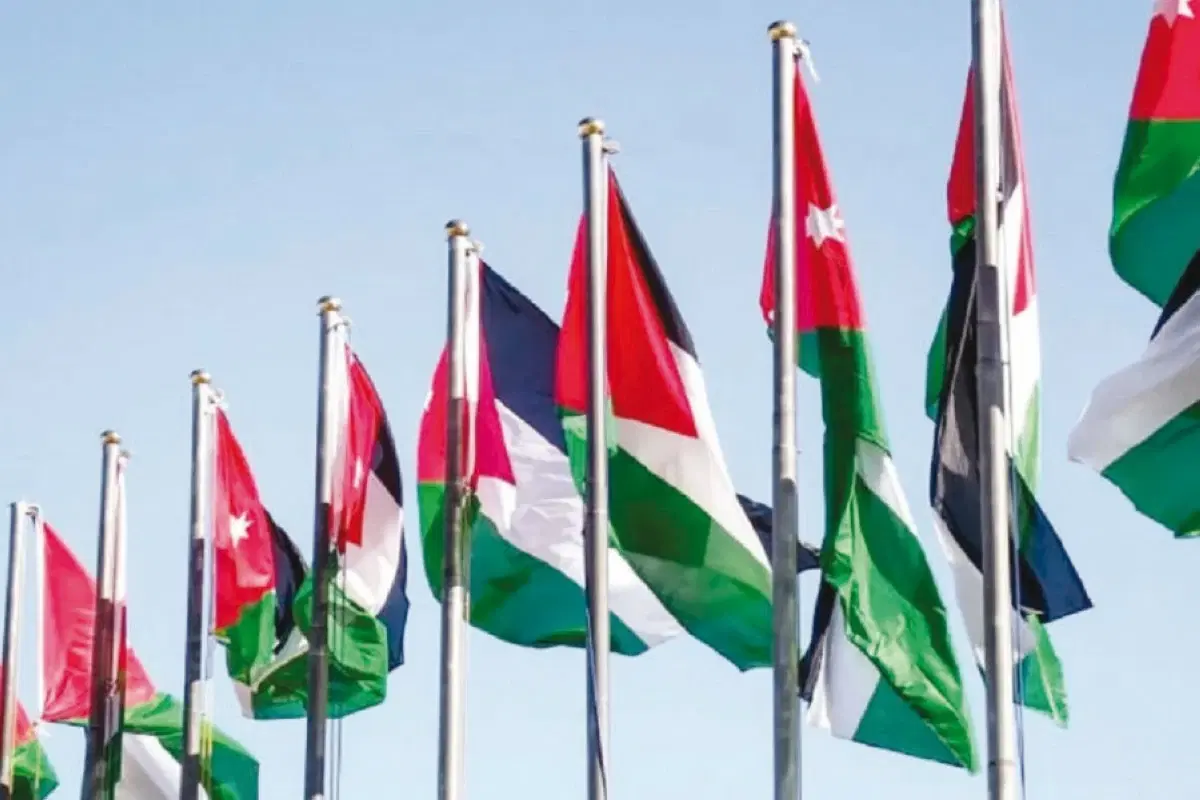
Experts: New alliances include food, energy, water, and technology
The requirement is to transform political capital into institutional partnerships
The importance of Jordanian-Arab relations is increasingly emerging, not only as traditional relations based on neighborhood and common interests, but as one of the elements of regional political and security stability.
The Kingdom moves in a regional context based on a vision centered on protecting its national interests and enhancing Arab security, while maintaining balanced relations with various parties and adhering to its political constants.
Here, the importance of the role led by His Majesty King Abdullah II appears, as he has made Jordanian diplomacy a continuous tool for defending the region's issues, foremost among them the Palestinian cause, and calling for an end to wars, the protection of civilians, and the promotion of opportunities for peace and stability.
Jordan, with its wise leadership, realizes that dealing with regional crises cannot be done individually, and that building a network of Arab relations and alliances constitutes a fundamental factor in protecting national interests and enhancing the ability to confront external repercussions and events.
Jordan's relations with the Gulf states, Egypt, Iraq, and other Arab countries stand out as an important pillar in the Kingdom's regional relations system, especially in light of the challenges related to regional security, energy, trade, investment, counter-terrorism, smuggling, and border security.
Observers believe that these relations do not stem from the concept of closed axes, but rather from a policy based on expanding the space for understanding and coordination, which allows Jordan to maintain a wider margin of diplomatic movement, giving it the ability to communicate with various parties and deal with crises according to its national interests and clear political constants.
Jordanian-Arab coordination on the Palestinian file reflects a common political position and an important realization that the continuation of the conflict and its repercussions threaten the entire regional stability. Furthermore, border security and combating drug, arms, and terrorism smuggling are among the files that have come to require continuous regional cooperation, as their repercussions do not stop at the borders of one country, especially since Jordan possesses accumulated experience in dealing with security challenges. Its geographical location also places it at the heart of many developments witnessed by the region, which explains the importance of security and military coordination with brotherly Arab countries.
According to Professor of Political Science Dr. Rasha Al-Mubaideen, the new regional scene forces Arab countries to reconsider the concept of alliances, noting that an alliance in the current phase is no longer limited to the political or military aspect, but has become an integrated system that includes food security, energy, water, cybersecurity, economy, investment, and technology.
She added: From this perspective, Jordan has an opportunity to develop its network of Arab relations toward deeper partnerships based on mutual interests and joint projects, not just on converging political positions, pointing out that Jordan's ability to maintain balanced relations with various Arab and international parties has given it an important political advantage, especially in a phase where power centers are multiplying and alliances are changing.
Al-Mubaideen said that despite the importance of Arab relations and alliances, the Jordanian national interest remains the compass that governs the Kingdom's foreign policy. This does not mean isolation from the Arab environment; on the contrary, protecting Jordanian interests is largely linked to the existence of a stable Arab environment capable of cooperating to face challenges.
She pointed to Jordan's regional importance, which is not only linked to its size or economic capabilities, but to its geographical location, political stability, and ability to communicate with various parties, which gives Jordan the ability to influence the paths of events and policy, especially when it comes to de-escalation, dialogue, the Palestinian cause, and regional security.
According to security expert and retired Colonel Dr. Abdulmajeed Mohammad, cross-border challenges make Arab coordination a necessity, not an option, especially in confronting smuggling, crime, and terrorism networks and protecting borders from the repercussions of regional conflicts, pointing to the overlap of international and regional interests and the continuation of security and political crises.
He added: In this environment, Jordan maintains its position as an Arab state with an active political, diplomatic, and security presence, noting that Jordan in the coming phase faces a challenge represented in transforming this political and diplomatic capital into more institutional and sustainable Arab partnerships, so that political, security, and economic cooperation becomes an integrated system that serves the interests of Jordan and its Arab partners.
He pointed out that the Jordanian role in the region is not merely a reaction to successive crises, but an active contribution to shaping a more stable and secure regional environment, based on dialogue, cooperation, respect for the sovereignty of states, and support for Arab causes, foremost among them the Palestinian cause, and enhancing their deserved presence on the regional and international agenda.
Know more about this story?Send us a tip
Ask about this report — answers stay grounded in its text.