Jerash Health: Examination of 7123 Water Samples Since the Beginning of the Year
Jerash3 min read
Share
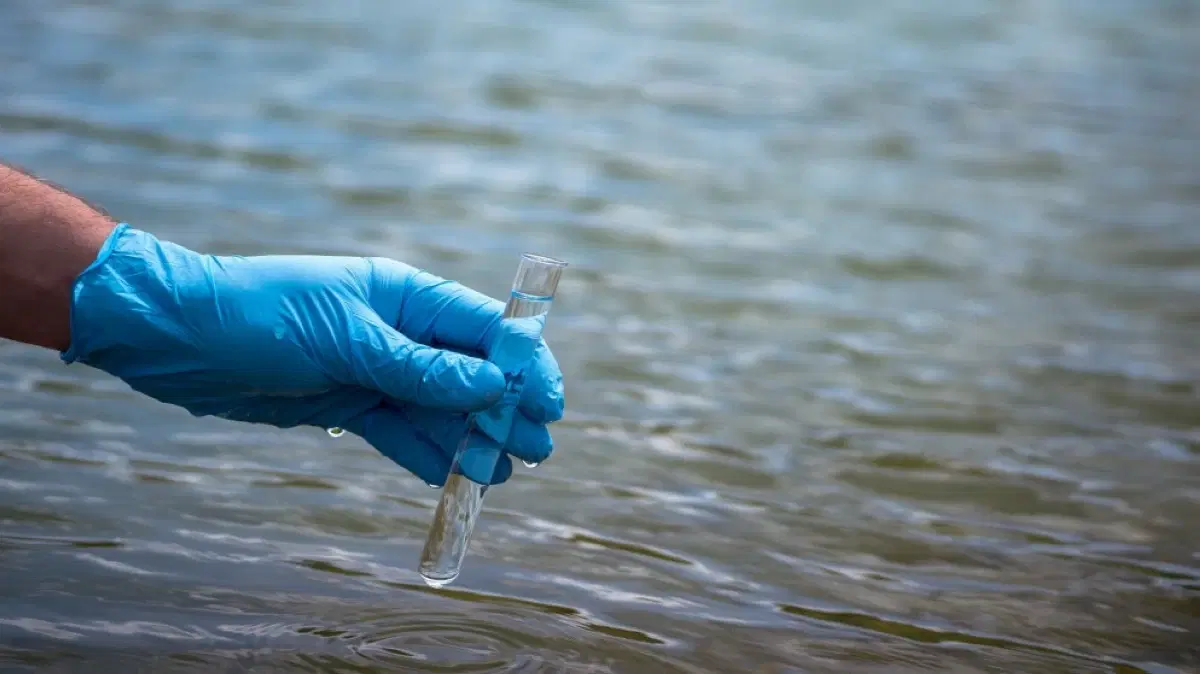
The Director of Jerash Health, Saib Abu Aboud, said that the directorate has examined 7123 water samples since the beginning of the current year until the end of August, including water vending stations, schools, and licensed wells for water sales, to verify their safety and compliance with the approved health requirements.
Abu Aboud added that the water tests are part of an ongoing monitoring plan implemented by the directorate and cover various water sources and facilities in the province, along with field tours and inspections.
He explained that Jerash province includes 9 licensed wells for water sales, 106 water vending stations, and 5 water bottling and sales factories, in addition to 6 public and licensed swimming pools.
He pointed out that the supervision includes public and private wells, public water sources, water distribution tanks, water desalination plants, water factories, unused water springs, in addition to public swimming pools, government and private school water, and water tanks in government institutions, security centers, tourist and popular restaurants, and dairy factories.
Abu Aboud pointed out that the Environmental Health Department monitors the environmental and water situation in the Zarqa River and King Talal Dam by taking weekly samples and subjecting them to the necessary tests, with the aim of detecting any changes that may affect health and environmental safety.
He said that the directorate deals with citizen complaints related to water pollution or suspected malfunction in its sources quickly, as they are referred to the competent committees to conduct the necessary inspections and tests and take appropriate action according to the results.
School Health
Regarding school health, Abu Aboud said that the directorate pays great attention to this file as it is one of the health prevention axes, indicating that the School Health Department follows government and private schools, government and private kindergartens, and special education centers, according to an annual plan and in coordination with the relevant authorities.
He added that the plan includes examining new students in the first elementary grade, and following up on the target groups to ensure that they receive the scheduled vaccinations, including students in the first and tenth grades.
He explained that the environmental and water safety inside schools is continuously monitored, through coordination between the School Health and Environmental Health Departments to conduct bacteriological tests on water and monitor chlorine levels, in addition to conducting periodic environmental inspections and addressing the observed notes in coordination with the concerned authorities.
Regarding school cafeterias, Abu Aboud explained that specialized committees conduct field inspections to verify compliance with health requirements, follow up on food items allowed to be sold according to approved lists, and ensure the health status of workers and their freedom from diseases, in addition to verifying the availability of a suitable healthy environment for providing safe food for students.
Abu Aboud emphasized that the preventive and supervisory work in the directorate is based on continuous follow-up, early detection, and enhancing coordination between various departments and authorities.