Al-Bitar: Every sub-sector has unique challenges and opportunities in the field of AI.. and direct dialogue between companies and decision-makers is required
Orabi: Moving from policies to applications and 27 universities offering AI-related majors
Follow Al Rai


Al-Bitar: Every sub-sector has unique challenges and opportunities in the field of AI.. and direct dialogue between companies and decision-makers is required
Orabi: Moving from policies to applications and 27 universities offering AI-related majors
Al-Abdallat calls for reviewing curricula, qualifying teaching staff, and enhancing practical application in information technology majors
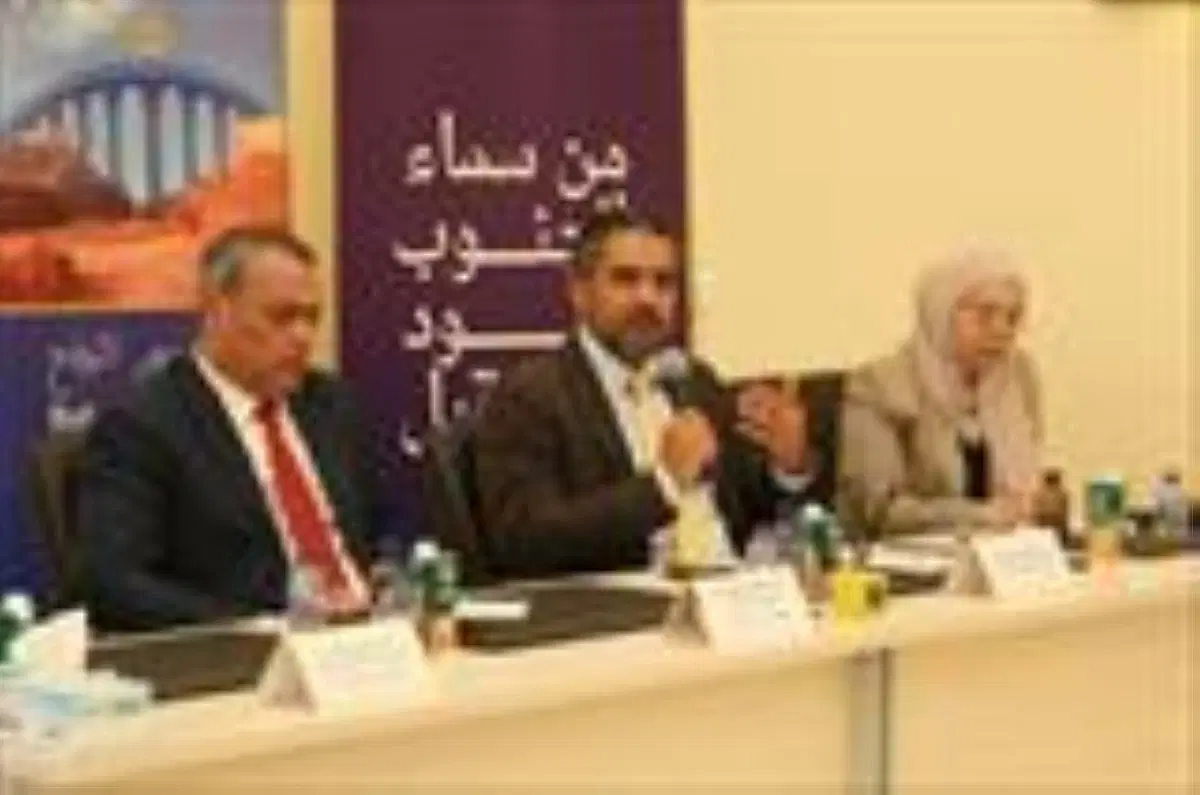
The Information and Communications Technology Association of Jordan (intaj) organized a panel discussion titled "Artificial Intelligence Council – A Strategic Dialogue," which discussed the repercussions of artificial intelligence on economic and service sectors in Jordan, the opportunities for local companies in developing its applications, and the requirements for qualifying competencies to keep pace with labor market transformations.
The session was held in the presence of the Association's CEO, Nidal Al-Bitar, the Assistant Head of the Accreditation and Quality Assurance Commission and board member, Youssef Al-Abdallat, the Director of Artificial Intelligence and Advanced Technologies at the Ministry of Digital Economy and Entrepreneurship, Lama Orabi, and representatives from a number of sector companies.
The session witnessed extensive discussion among attendees regarding the repercussions of artificial intelligence on 12 sectors covered by the presentation on national priorities, including education, energy, agriculture, transportation, government services, tourism, and investment, and linking these transformations to Jordan's needs, company capabilities, and competencies.
The discussion addressed the changing nature of business and required skills, the opportunities available to companies to develop applications that meet the needs of various sectors, and the importance of integration between government policies, educational programs, and the practical expertise of the private sector.
Al-Bitar stated that every sub-sector has special challenges and opportunities in the field of artificial intelligence, which calls for a direct dialogue between companies, decision-makers, and relevant authorities, allowing for the discussion of issues related to their business and understanding their needs when discussing future policies and trends.
He emphasized the importance of consulting with the private sector and entities that deal directly with companies to ensure benefiting from their practical expertise in identifying challenges and opportunities, and linking discussions to market realities and business development requirements.
For her part, Orabi explained that the National Artificial Intelligence Strategy translated national orientations into priorities and work paths encompassing 12 sectors, in parallel with developing an artificial intelligence ethics charter and enhancing governance to ensure its development and responsible use.
She pointed to the role of the National Council for Future Technology, whose work is overseen by His Royal Highness Crown Prince Al Hussein bin Abdullah II, in leading efforts to build an integrated ecosystem for future technologies, indicating that these efforts are beginning to translate into practical applications in multiple sectors.
She stated that applications include the use of artificial intelligence in developing the educational process, forecasting demand and production in the energy sector, improving the quality and use of government data, and employing smart assistants and language models in government services, alongside applications in agriculture, tourism, and investment.
She added that the upcoming phase moves towards developing solutions capable of executing integrated tasks and interacting with users and systems, in parallel with developing the skills, partnerships, and infrastructure necessary for expanding their use.
Orabi pointed out that 27 universities offer majors in artificial intelligence and data science, while thousands of students and government employees are developing their skills in this field, noting the focus on developing Arabic models, enhancing partnerships and investments, and empowering Jordanian talents to build new solutions.
In turn, Al-Abdallat emphasized the importance of aligning education and training outcomes with labor market needs, and involving sector companies in identifying required skills, which helps universities and educational institutions develop their programs in accordance with technical developments and employment requirements.
He explained that reviewing information technology majors requires examining curricula, qualifying teaching staff, and the level of practical application, pointing to the importance of benefiting from international experiences and developing the professional skills of teachers in modern technical specializations.
He stressed the importance of the participation of experts and practitioners from companies in university teaching, as this allows the transfer of practical expertise to students, linking their learning to actual challenges in the work environment, alongside helping companies discover talents and recognize their capabilities early on.
He indicated that enhancing training and practical application during study raises the readiness of graduates and reduces their need for long qualification periods after graduation, emphasizing the necessity of building continuous cooperation between universities and the private sector to bridge the gap between academic knowledge and required skills.
Al-Abdallat called for translating the dialogue meetings into specific recommendations and following up on their implementation, to achieve a practical impact on developing education and training, and to support the ability of Jordanian companies and competencies to benefit from the transformations imposed by artificial intelligence.
Know more about this story?Send us a tip
Ask about this report — answers stay grounded in its text.