Institutions implement initiatives to promote a culture of volunteerism
Governorates23 min read
Share
Youth institutions and centers implemented initiatives and events today, Wednesday, aimed at empowering youth, developing their skills, promoting volunteerism and community participation, and consolidating sustainability and social responsibility, in addition to sessions to introduce the Hussein bin Abdullah II Award for Voluntary Work.
In Mafraq, the Mughayer Al-Sarhan Youth Center concluded a training course on permaculture and home gardening, with the aim of enhancing the agricultural knowledge and skills of the participants and introducing sustainable farming methods and their practical applications.
The course included introducing the participants to the principles of permaculture and its importance, as well as methods for preparing natural fertilizer and ferments and using them in agriculture.
The Badia Youth and Youth Center held a lecture titled: "Youth Creating Change... Volunteerism and Community Initiatives," aimed at promoting a culture of volunteerism among young men and women, developing a spirit of initiative and community participation, and highlighting their role in bringing about positive change in society.
The lecture addressed the importance of volunteerism in serving the community and the role of youth initiatives in dealing with societal challenges, in addition to encouraging youth to invest their energy and capabilities.
The Director of Awqaf, Dr. Bashir Al-Khawaldeh, discussed with the heads of Zakat committees operating in the governorate plans for winter preparations and organizing the work of the committees to enhance their role in caring for underprivileged families.
Al-Khawaldeh expressed his appreciation for the field efforts made by the Zakat committees in the governorate, emphasizing the administrative and legal authority of the Mafraq Zakat Office as the direct supervisor for guiding and following up on the committees before the Zakat Fund.
He stressed the necessity of adhering to the directives issued by the Ministry of Awqaf and Islamic Affairs and Holy Sites, and the importance of diversifying financial resources by activating partnerships with members of the local community and the private sector.
The North-Eastern Badia Education Directorate organized a creativity competition in English in the field of short stories, with the participation of male and female students from the targeted schools.
The Director of Education, Dr. Abdullah Al-Sharafat, emphasized the importance of educational competitions and activities in discovering and nurturing student potential, refining talents, and developing capabilities, pointing to their role in enhancing English language learning, motivating students toward excellence and creativity, and providing a stimulating educational environment.
In Irbid, the Assistant Governor, Dr. Rami Obeidat, discussed with the General Manager of Al-Muhafizoon Training Company, Badi Al-Baqain, enhancing cooperation in implementing a project titled "Empowering Youth to Participate in Sustainable Development and Governance," which the company is implementing with funding from the United Nations Democracy Fund.
During the meeting, Al-Baqain presented an overview of the project's goals and activities, and its role in empowering youth and enhancing their participation in identifying priority climate issues and challenges, developing local initiatives and solutions to adapt to the effects of climate change, and strengthening the role of youth in development decision-making processes.
For his part, Obeidat said that empowering youth and enhancing their participation in development work is a priority for the governorate, in line with the Royal directives aimed at strengthening the role of youth and expanding their participation in various development paths, noting the governorate's keenness to support the implementation of the project and provide the necessary cooperation and coordination to ensure the success of its activities and the achievement of its goals.
The company emphasized the importance of the partnership between official institutions and civil society organizations in empowering youth and transforming their ideas into sustainable development initiatives that have a positive impact on their communities.
The Wasatiya Youth and Youth Center held an introductory session for the Hussein bin Abdullah II Award for Voluntary Work, in the presence of the Wasatiya District Development Director, Omar Abu Zaitoun, and with the participation of heads and representatives of charitable societies, presented by the award's liaison officer, Mohammad Al-Muhaidat, and the award's ambassador, Ghaida Al-Azzam.
The North Shuna Youth and Youth Center also organized an introductory session for the award with the participation of 30 attendees from heads and members of charitable societies, in the presence of the head of the Community Police branch at the West Irbid Police Directorate, Major Khaled Al-Shuloul, and Lieutenant Hadi Al-Basoul, presented by the center's head and award ambassador, Saida Nasrallah, and award ambassador, Hoor Al-Tallawi.
The sessions covered the award's vision, mission, goals, categories, fields of voluntary work, nomination conditions, registration and application mechanisms, and evaluation stages, in addition to reviewing the updates for the fourth cycle for the year 2026.
The First Irbid Awqaf Directorate organized a training workshop to promote a culture of volunteerism and introduce the award, with the participation of a number of mosque imams and employees of the Ministry of Awqaf.
The Director of Awqaf, Dr. Raed Jarwan, said that the workshop aims to promote a culture of volunteerism, introduce the award, and motivate participants to apply for it and participate in voluntary initiatives that contribute to serving the community and promoting the values of giving and social responsibility.
The workshop covered the mechanisms for applying to the award, the conditions and criteria for participation, its various categories, as well as explaining the registration steps and application procedures.
The West Irbid Integrated Youth and Youth Center held a workshop titled "The Role of Voluntary Work in Serving the Community," with the participation of 20 young men and women in the 15–24 age group, with the aim of promoting a culture of volunteerism and developing a spirit of initiative and social responsibility among youth.
The workshop addressed the concept of voluntary work and its importance in building a cohesive society, and its role in promoting the values of cooperation, solidarity, and community service, in addition to reviewing a number of voluntary initiatives and ideas that youth can implement in a way that suits the needs of their local community.
The head of the center, Kholoud Abu Ziad, emphasized the importance of investing youth energy and directing it toward positive work, and enhancing their participation in community initiatives, which contributes to developing their leadership and communication skills and consolidating the concept of active citizenship among them.
The Beit Ras and Kafr Al-Ma Integrated Youth and Youth Centers held introductory sessions for the Hussein bin Abdullah II Award for Voluntary Work, covering the award's vision, mission, goals, categories, fields of voluntary work, nomination conditions, registration and application mechanisms, and evaluation stages, in addition to reviewing the updates for the fourth cycle for the year 2026.
The Director of Education for the Bani Obeid District, Nisreen Al-Bakkar, honored the schools that won the Health Schools Program for the 2025-2026 academic year for their significant role in the success of the program.
Al-Bakkar emphasized that the program aims to provide a healthy environment in schools and the community, support the improvement of student learning outcomes, and enhance the health of the school environment by dealing with school health in a planned, integrated, and comprehensive manner.
She added that the project is based on national standards that participating schools are trained on how to implement to make the school an optimal environment for learning and work.
The Ramtha Integrated Youth and Youth Center held a session on early detection of breast cancer, in cooperation with the district's Health Directorate and the Ramtha Secondary School for Girls, with the participation of 50 young women in the (17–24) age group.
During the session, Dr. Ikhlas Al-Saad spoke about the importance of early detection in increasing the chances of recovery and reducing the complications of the disease, reviewing the most prominent signs and symptoms that require seeing a doctor.
The Kora District Administrator, Omar Al-Hadid, inspected the Princess Raya Governmental Hospital, in the presence of the hospital director, Dr. Mohammad Abu Halawa. During the visit, he reviewed the reality of health services and daily work progress, in addition to communicating directly with patients and listening to their observations and impressions regarding the level of care provided.
Al-Hadid praised the high level of satisfaction among patients, appreciating the efforts made by the Ministry of Health, represented by the hospital director and all staff, in providing the best health care to the people of the district.
The Sharhabil bin Hasna Municipality in the Northern Jordan Valley District continued cleaning works for valleys, torrent streams, and rainwater drainage culverts, as part of its preparations to welcome the winter season and reduce the risks of water accumulation and flooding.
The municipality emphasized the importance of citizen cooperation and not throwing waste and debris into valleys and torrent streams, as this plays a role in obstructing water flow and increasing the risks of its accumulation.
The Sahl Houran Integrated Youth and Youth Center organized a lecture titled "Extremism and Electronic Recruitment," within the agreement concluded between the Ministry of Youth and the Public Security Directorate, with the aim of enhancing intellectual and security awareness among youth.
The lecture addressed the concept of extremism and electronic recruitment, their risks to the youth category, and the methods used via social media sites and digital platforms to attract youth and influence their ideas.
The Kafr Al-Ma Integrated Youth and Youth Center held a workshop on first aid and its role in crisis management, with the participation of 20 young people in the 12–16 age group.
The workshop covered the most prominent principles of first aid and the procedures to be followed in cases of choking and fainting, and methods for safely dealing with emergency cases.
The head of the Sahl Houran Municipality Committee, Engineer Omar Al-Shboul, and a delegation from the Engineering Offices Committee of the Jordan Engineers Association, discussed enhancing cooperation between the municipality and the association in engineering and technical fields, and in training and qualification, and the possibility of holding training courses at the association's branch headquarters.
The meeting addressed engineering issues, primarily building safety and ways to enhance public safety standards, which contributes to maintaining the safety of citizens.
Al-Shboul emphasized the importance of strengthening the partnership and cooperation with the association and benefiting from its technical and engineering expertise in developing municipal work and raising the level of services provided to citizens.
The Al-Mazar Al-Shamali District Education Directorate, in cooperation with the Al-Mazar Al-Shamali Youth Center, organized an introductory session on the Al-Hussein bin Abdullah Award for Voluntary Work for the award's officers in the district's schools.
The Director of Educational Affairs at the Directorate, Dr. Rania Al-Deek, emphasized the importance of promoting a culture of volunteerism in the educational environment and encouraging students to take initiative and participate in volunteer work that serves the community.
The session presenters reviewed the award's themes and fields, the mechanisms for applying and participating, the requirements for documenting volunteer initiatives and projects, and the approved evaluation criteria.
The Jadara Umm Qais Cultural Forum and the Shua'lat Al-Yarmouk Cultural Forum organized an evening titled "Longing and Nostalgia" at the Arar Cultural House, with the participation of poets Dr. Tay Hatamleh, Dr. Mohammad Ibnyan, Dr. Samah Khasawneh, and Nidal Al-Rifai.
During the evening, which was moderated by poet Musa Al-Nawash, the poets sang in their poems of love for the homeland, longing, and nostalgia, and depicted the prestige of poetry through their rhymes and performances in poems that touched the feelings of the audience and won their approval.
The head of the Shua'lat Al-Yarmouk Forum, poet Dr. Ibrahim Al-Tayyar, spoke about poems of longing and nostalgia, citing various poetic verses.
The evening was attended by the Director of the Arar Cultural House, Sami Al-Dabees, and a number of writers, poets, and interested citizens.
The Irbid Qasaba District Education Directorate held an introductory meeting on the Queen Rania Al-Abdullah Award for Educational Excellence, targeting vocational and technical education (BTEC) teachers in the northern region to introduce the award's criteria, application mechanisms, and to motivate educational staff to participate.
The District Education Director, Dr. Raed Al-Khasawneh, emphasized the pivotal role of the award in consolidating a culture of excellence and creativity, and in appreciating the efforts of teaching staff in developing the educational process.
He pointed to the increasing interest in the vocational and technical education track to provide students with the necessary skills and competencies to keep pace with the requirements of the labor market and the needs of the national economy, calling on teachers in the northern region to take the initiative to apply and document their success stories.
The Educational Activities Department at the Northern Aghwar District Education Directorate organized the National Drawing Competition for the 2026/2027 academic year, organized by the Ministry of Education, with the aim of nurturing artistic talents among students and teachers, developing their creative abilities, and strengthening the values of loyalty and belonging to the homeland and the Hashemite leadership.
The competition included three categories for students, in addition to a category for teachers, and covered various topics, including the King's birthday, love for the homeland, Independence Day, national occasions, and archaeological sites.
The Director of Education for the Al-Mazar Al-Shamali District, Umaima Al-Masri, honored two students, Kinda Bani Amer from Aisha Al-Ba'ouniya Mixed Primary School and Malak Talafha from Juhfiya Secondary School for Girls, on the occasion of their winning the Arab Reading Challenge project at the Kingdom level.
Al-Masri also honored the Director of Educational Affairs, Dr. Rania Al-Deek, the Head of the Educational Activities Department, Khaled Al-Jarrah, department member Omar Al-Ammawi, teacher Anwar Al-Wadi from Aisha Al-Ba'ouniya Primary School, and teacher Jumana Talafha from Juhfiya Secondary School for Girls, in appreciation of their efforts in following up with schools and students participating in the Arab Reading Challenge project and achieving advanced results.
A meeting at the Northern Aghwar District Education Directorate discussed mechanisms for activating the "Distinguished" plan for the Queen Rania Al-Abdullah Award for Educational Excellence, ways to enhance participation in it, and spreading a culture of excellence and creativity in the district's schools.
The Director of Education, Dr. Basma Freihat, emphasized the importance of investing in the expertise of distinguished individuals, exchanging successful educational practices, and transforming individual achievements into sustainable institutional work, noting the need to encourage teachers and educational counselors to apply for the award and provide them with the necessary support and guidance.
The meeting discussed mechanisms for preparing the "Distinguished" plan and updating it periodically, and activating the role of distinguished individuals in transferring their expertise to their colleagues, in addition to intensifying awareness meetings and enhancing communication with schools.
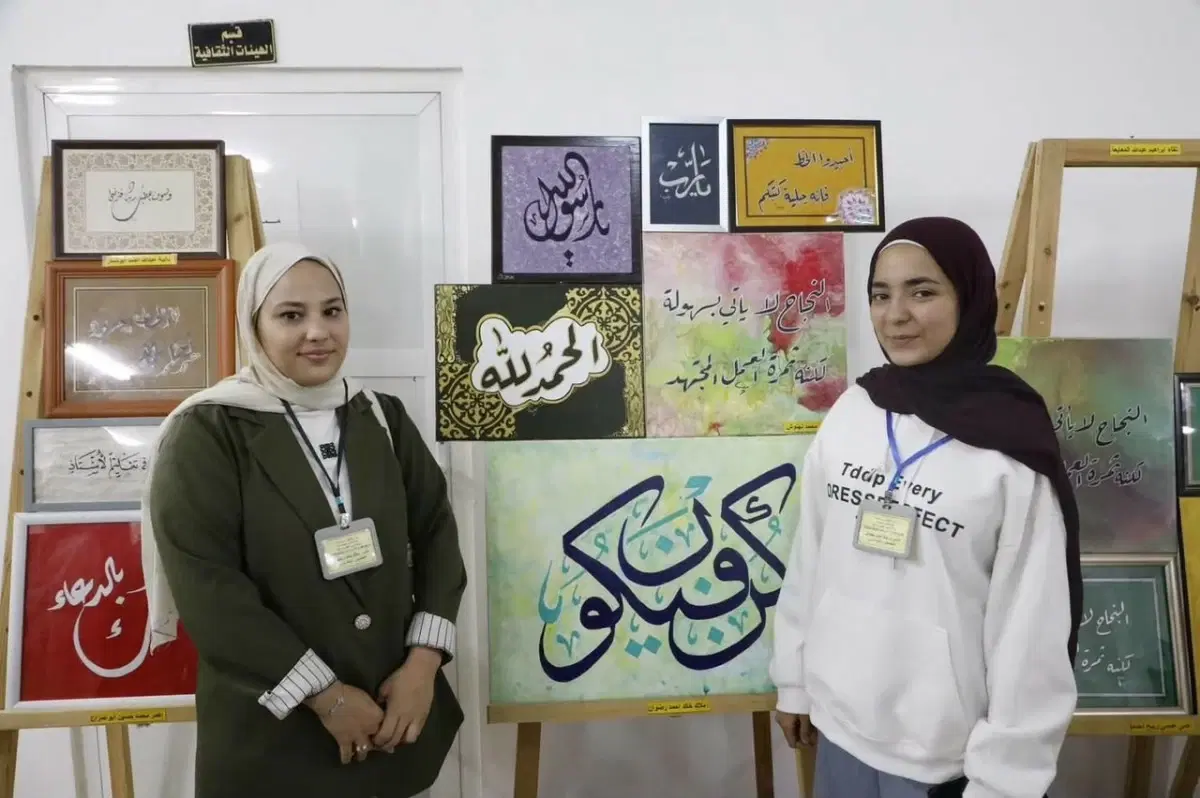
The All Jordan Youth Commission, in cooperation with the Aman Community Center affiliated with the Lutheran Federation, organized an art workshop titled "The River and the Fish" on the occasion of World Mental Health Day.
The workshop allowed participants to employ colors and artistic textures to create a painting inspired by the movement of the river and fish, in an experience that embodied the meanings of continuity, renewal, and adaptation, and turned art into a means of expressing feelings and unleashing creative energies.
The commission's coordinator, Abeer Hatamleh, said that the workshop comes within the efforts aimed at spreading awareness about the importance of mental health and encouraging young people to engage in artistic and community activities.
In Tafilah, the Health Directorate organized a training workshop titled "Training Program on Guidelines for Chronic Respiratory Diseases," with the aim of enhancing the efficiency of health personnel and developing their skills in diagnosing, treating, and following up on patients with respiratory diseases.
The workshop was followed by the Director of the Primary Health Care Administration at the Ministry of Health, Dr. Mohammad Bani Nasr, under the patronage of the Health Director, Dr. Hussam Al-Rafou', and with the participation of family and general medicine doctors, as well as nursing and pharmacy staff.
The workshop covered scientific and practical topics, focusing on introducing asthma and chronic obstructive pulmonary disease, and the mechanisms for diagnosing and treating them according to guidelines and national protocols.
It also included theoretical training on the use of a lung function measurement device, with the aim of enhancing medical knowledge and developing the practical skills of the participants, and enabling them to apply approved therapeutic standards in the work environment.
Al-Rafou' emphasized the importance of specialized training programs in raising the efficiency of health personnel, unifying diagnostic and treatment procedures, and promoting evidence-based medical practices, in line with the latest treatment protocols and contributing to improving health outcomes for patients.
The participants pointed to the importance of the workshop and its practical themes, confirming their readiness to employ the acquired knowledge and skills in their work and to transfer expertise to their colleagues among doctors, nurses, and pharmacists.
The Education Directorate celebrated the graduation of participants in the "Little Police" course, which was organized in cooperation with the Police Directorate, Community Police, and the "Nahnu" platform, with the participation of about 30 schools, with the aim of enhancing security awareness among students and consolidating the values of discipline, respect for the law, and national belonging.
The Director of Education, Dr. Imran Al-Lasasmeh, emphasized that the initiative embodies the partnership between educational, security, and community institutions in building students' personalities and developing their awareness, noting the importance of investing in children's awareness and providing them with positive behaviors that contribute to building a safe and cohesive society.
In Karak, the Sarfa Youth and Girls Centers carried out an awareness lecture on breast cancer awareness as part of the "Pink October" activities, in cooperation with the Sarfa Health Center and the Sarfa Mixed Primary School, with the aim of spreading awareness about the importance of prevention and early detection and enhancing health culture among the participants.
The workshop included the importance of psychological and social support for breast cancer patients, and the role of the family and society in the treatment journey.
The Al-Sanawbar Charitable Society, affiliated with the Social Development Directorate in the Qasaba, in cooperation with the Culture Directorate, carried out a training workshop on the art of fringing "Shemaghs" with the participation of a number of women from various parts of the governorate.
The society's administration valued the efforts of the Culture Directorate for the cooperation and support that contributed to achieving many of the desired voluntary goals.
In Ajloun, the Ajloun Cable Car continues to organize recreational and cultural events targeting families, children, and visitors, combining cultural and artistic activities with local products, as part of stimulating tourism in the governorate.
The events include hosting the mobile library affiliated with the Haya Cultural Center on Fridays and Saturdays to provide children with the opportunity to enjoy stories and reading activities, in addition to the experience of riding the cable car and enjoying the natural views that characterize Ajloun.
The events include artistic performances by oud player Basil Jreisat, a wheel of fortune event, and exhibitions of arts and local food products, which include Ajloun dishes, pastries, and productive kitchen products, such as jams, pickles, and dairy products.
The cable car will also host the comedy play "Because of Money" on Friday, October 30, with the participation of the character Uncle Ghafel, as part of an entertainment program targeting various segments of society.
The Joint Services Council participated in a cleaning campaign as part of the "Clean It and Make It More Beautiful" initiative, launched by the Ministry of Youth and the Ajloun Youth Directorate, within the executive program of the cleaning strategy and reducing random waste disposal, in the vicinity of the Military Retirees Club in the governorate.
The cleaning and environment department staff at the Joint Services Council carried out cleaning campaigns that included sites in the governorate, followed up by the transfer station manager, Engineer Ahmad Al-Samadi, and supervised by field observers Khaldoun Al-Momani and Saleh Anizat.
The work included the Irbid-Ajloun road, from the Ain Al-Tais triangle towards the city of Ajloun within the Ain Janna area, and the Jerash-Ajloun road in the vicinity of the Tayyara site and the base, in addition to the vicinity of the Irada Center in Ajloun, in coordination with the center.
The council emphasized the importance of continuing cleaning campaigns and enhancing cooperation between official, youth, and local community institutions, in a way that contributes to reducing random waste disposal and providing a healthy and safe environment.
Youth committees at the Princess Basma Development Centers in Kufranjah and Al-Wahadinah carried out a voluntary activity in the Kufranjah Park, in cooperation with the New Kufranjah Municipality, as part of the activities of the "Seed of Hope" initiative, with the aim of preserving public facilities and improving the reality of the park.
The activity included the maintenance of a number of children's play equipment, repainting old games and sidewalks, in addition to carrying out a cleaning campaign that covered various park facilities.
Director of Education Khaldoun Juwaied emphasized that a safe educational environment and balanced psychological and educational support are among the most important pillars that contribute to achieving academic excellence for students, enabling them to invest their capabilities and motivating them to learn and be creative.
This came during a celebration organized by Samta Secondary School for Boys on the occasion of World Mental Health Day, which falls on October 10th of each year.
Juwaied said that the educational process is not limited to building minds with science and knowledge, but also includes embracing students, preserving their dignity, and enhancing their sense of reassurance and hope, pointing out that a psychologically safe school environment forms the basis for creativity and excellence.
He added that the educational counselor plays an important role in supporting and caring for students psychologically, enhancing their emotional balance, and helping them face challenges, which reflects positively on their academic achievement.
The Al-Hashimiya Model Youth Center for Males and Females, in cooperation with the Crown Prince Foundation, concluded a training on "Concrete Art," with the aim of introducing participants to methods of shaping and designing pieces using concrete, and enabling them to acquire the basic skills necessary to produce innovative artistic and decorative pieces.
The Abein Eblin Integrated Youth Center for Males and Females concluded a sports camp titled "Learning Through Play," with the participation of 40 young people from the 12–16 age group.
The Sakra Integrated Youth Center for Males and Females carried out a training workshop on making aromatic and medicinal soap, with the participation of 25 young women from the center and the local community, with the aim of economically empowering young women, developing their craft skills, and opening entrepreneurial horizons for them.
Trainer Ghosoun Buqairat provided an explanation on how to turn natural oils and simple ingredients into homemade or professional soap bars that are safe for the skin, and methods for making natural and scented soap at home.
Director of Health, Dr. Mohammad Al-Tahhan, inspected 3 health centers in the governorate to check on the reality of the services provided, follow up on the workflow, and assess the needs of health personnel.
The tour included the Ain Janna Primary Center, the Sakra Comprehensive Center, and the Abein Eblin Primary Center. He reviewed the administrative, technical, and service aspects, and listened to the observations of the center heads regarding work requirements and the challenges facing the provision of services.
Al-Tahhan emphasized the importance of field tours in enhancing direct communication with health personnel, identifying priorities and needs, and improving institutional performance, stressing the necessity of working with a one-team spirit.
For their part, the heads of the health centers emphasized the importance of field follow-up in identifying the needs of the centers and enhancing coordination with the Health Directorate, which supports the working staff and contributes to raising the efficiency of services provided to citizens.
King Abdullah II School for Excellence held an inaugural meeting for the Environmental Club for the 2026–2027 academic year, with the aim of introducing its vision, mission, and goals, and discussing its plan for environmental activities and initiatives during the academic year.
The meeting addressed the club's journey in spreading environmental awareness and promoting a culture of sustainability and volunteer work, in addition to introducing its Facebook page and its role in documenting environmental activities and initiatives and publishing their news.
Director of Awqaf, Dr. Safwan Al-Qudah, chaired a meeting for administrative staff and the work team tasked with following up on the preparation and readiness to participate in the second edition of the internal award "Distinguished Awqaf Directorate," which was launched by the Minister of Awqaf, Islamic Affairs and Holy Sites, in cooperation with the King Abdullah II Center for Excellence.
Al-Qudah emphasized the importance of developing administrative work and upgrading the level of services provided to citizens, stressing the necessity of adhering to the circular of the Ministry's Secretary-General, Dr. Ismail Al-Khataba, and taking the necessary measures to ensure readiness to participate in the award.
He called for completing files and providing documents, records, evidence, and proofs supporting the award's criteria and indicators, and facilitating the task of the evaluators, cooperating with them, and providing them with the required information and data during their visit to the directorate scheduled for the third of next November.
In Zarqa, the Youth Directorate organized a training session for the fourth edition of the Al-Hussein Bin Abdullah II Award for Voluntary Work, with the participation of representatives of associations, civil society institutions, and owners of voluntary initiatives in the governorate, and in the presence of the Acting Director of Zarqa Youth, Haifa Al-Daghmi.
The session included a presentation during which the philosophy, foundations, mission, goals, fields, and the four categories of the award were defined, as well as the award's criteria, principles, and application conditions, and training on how to create accounts on the platform and resolve any technical problems facing applicants.
She emphasized the importance of participating in the award, its role in highlighting voluntary initiatives and promoting a culture of volunteer work, and the directorate's readiness to provide technical support and assistance in registering voluntary initiatives and projects wishing to register for the award.
The Rusaifa District Awqaf Directorate discussed, during a meeting of the heads and members of Zakat committees operating in the district, plans for winter preparations and organizing the work of the committees in a way that enhances their role in caring for needy families, based on the vision of the Ministry of Awqaf, Islamic Affairs and Holy Sites.
Director of Awqaf, Mahmoud Al-Anbtawi, expressed his appreciation for the field efforts made by the Zakat committees, confirming the administrative and legal reference of the Rusaifa Zakat Office as the direct supervisor for guiding the committees and following up on them before the Zakat Fund, and stressing the necessity of adhering to the directives issued by the Ministry of Awqaf, Islamic Affairs and Holy Sites.
The meeting addressed readiness to deal with any emergency, God forbid, and preparing an integrated proactive methodology that includes monitoring and allocating immediate financial sums and in-kind assistance to be provided to those who deserve it in any emergency without delay.
Rusaifa District Administrator, Dr. Omar Al-Shuraida, and the head of the municipal committee, Mohammad Al-Zaboun, carried out an inspection tour of the markets in the district, within the framework of regulatory efforts aimed at enforcing the law and preserving public rights, to check on violations and infractions.
During the tour, violators were warned of the necessity of removing all obstacles and encroachments and fully complying with the applicable legislation and regulations, with the emphasis that occupying sidewalks and public streets is a violation that requires legal accountability.