
Container Shipping Jumps from $4,000 to $12,000
Fixing $4,000 of the Customs Increase Eases Shipping Burdens
Follow Al Rai

Al-Junaidi: 40-45% Decline in Market Activity During the Summer Season
Container Shipping Jumps from $4,000 to $12,000
Fixing $4,000 of the Customs Increase Eases Shipping Burdens
The Head of the Furniture and Carpet Traders and Producers Association, Ahmad Al-Junaidi, revealed that the rise in furniture and furnishing import costs, resulting from the significant increase in shipping fees, has provided a greater opportunity for the local industry, as consumers turn to searching for lower-priced local alternatives.
In a statement to Al-Rai, Al-Junaidi indicated that the local product has benefited from the rise in prices of imported goods, although the local industry has also seen some price increases due to rising production input costs, especially paints, wood, and foam; however, it remained a lower-cost option for the consumer in a number of categories.
He explained that the rise in prices of wood and other raw materials has increased the costs of manufacturing furniture and furnishings locally, in addition to the shortage of some types of wood in the local market, but this did not prevent the local industry from benefiting from the price gap that arose as a result of rising import costs.
Regarding market activity, Al-Junaidi stated that the current summer season is considered one of the weakest seasons, as demand and sales activity declined by between 40 and 45 percent compared to previous seasons, due to a number of factors, most notably the repercussions of the events witnessed in the region and their impact on trade and transport movement.
He explained that shipping costs for a 40-foot container jumped from $4,000 to $12,000, which directly reflected on the prices of imported goods and reached the consumer.
Al-Junaidi praised the cooperation of the General Customs Department with the sector by fixing the additional amount on the value of goods at about $4,000 due to rising shipping costs, instead of imposing the full increase on the value of the goods, considering that this measure contributed to alleviating part of the burdens borne by traders and helping them deal with the repercussions of the current crisis.
He confirmed that the furniture, furnishings, and carpet sector suffered from a clear weakness in purchasing power, coinciding with the price increases resulting from higher shipping costs, which led to a decline in buying and selling activity.
Al-Junaidi pointed out that the sector also faces a challenge represented by the spread of what he described as “fake sales” and unrealistic discounts, which affect competition within the market and confuse the consumer and the trader committed to real prices.
He indicated that the weak movement of expatriates during the current year, due to the high cost of airline tickets, in addition to some of them arriving by land in light of the events witnessed in the region, directly affected the furniture and furnishings sector.
Al-Junaidi explained that the movement of expatriates is considered one of the important seasons that the sector awaits annually, given that some of them tend to furnish their new apartments or renew some pieces of furniture during their stay in the Kingdom, which usually contributes to stimulating demand and sales activity.
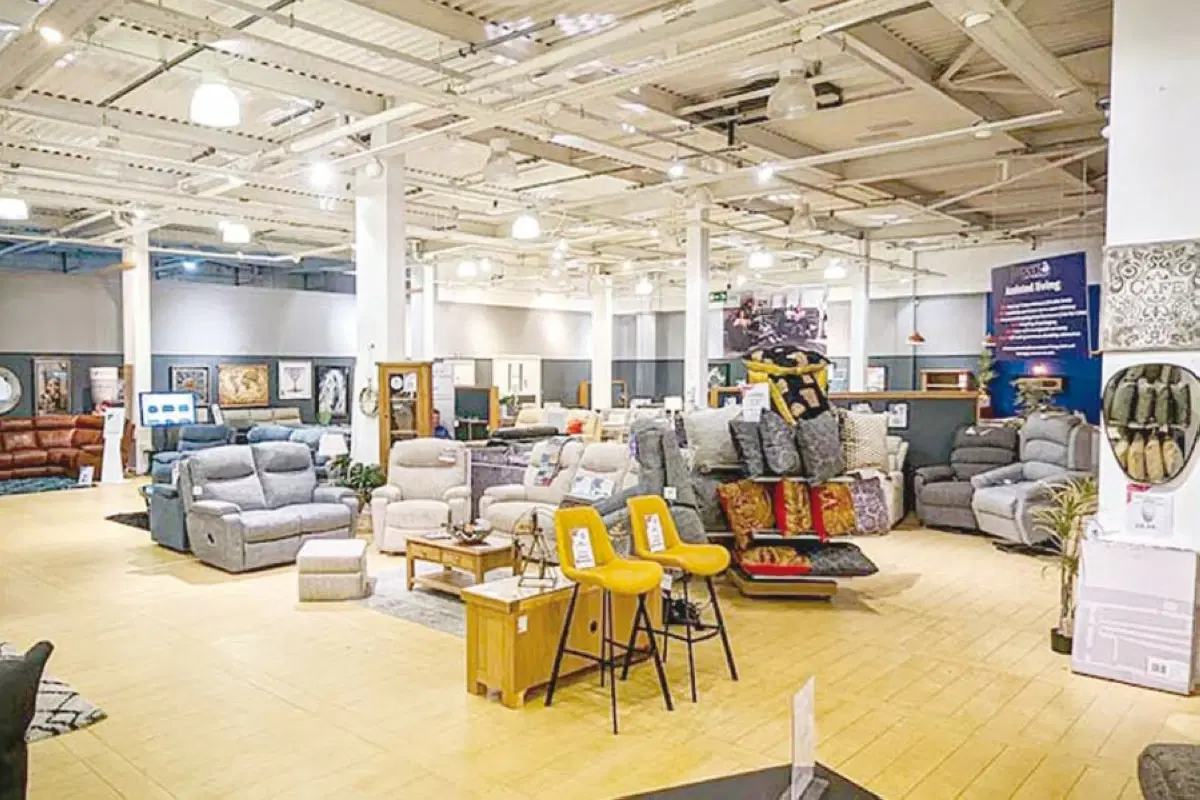
He pointed out that the weakness of this movement was directly reflected on traders, in light of the high financial obligations incurred by them, especially since the furniture trade requires large display areas ranging between 200 and 400 square meters, often in vital locations, which increases rental and operating costs.
Al-Junaidi confirmed that the sector is currently facing a difficult equation represented by rising import and production input costs, against weak purchasing power and declining demand, which has reflected on market performance.
The number of establishments operating in the sector is estimated at about 2,500, providing nearly 10,000 job opportunities, the majority of which are for Jordanians.
Know more about this story?Send us a tip
Ask about this report — answers stay grounded in its text.




