In turn, the forum coordinator, Dr. Hussein Hajjawi, said that the forum aims to shed light on the role of rural women in society and the national economy, confirming that celebrating rural women will become an annual tradition on this day, in appreciation of their role and contributions to development and production.
He added that the forum seeks to come up with practical recommendations that would support rural women, empower them, and enhance their economic and social role, with the participation of a number of pioneering women, experts, and interested parties, contributing to the development of rural women's capabilities and opening new horizons for them.
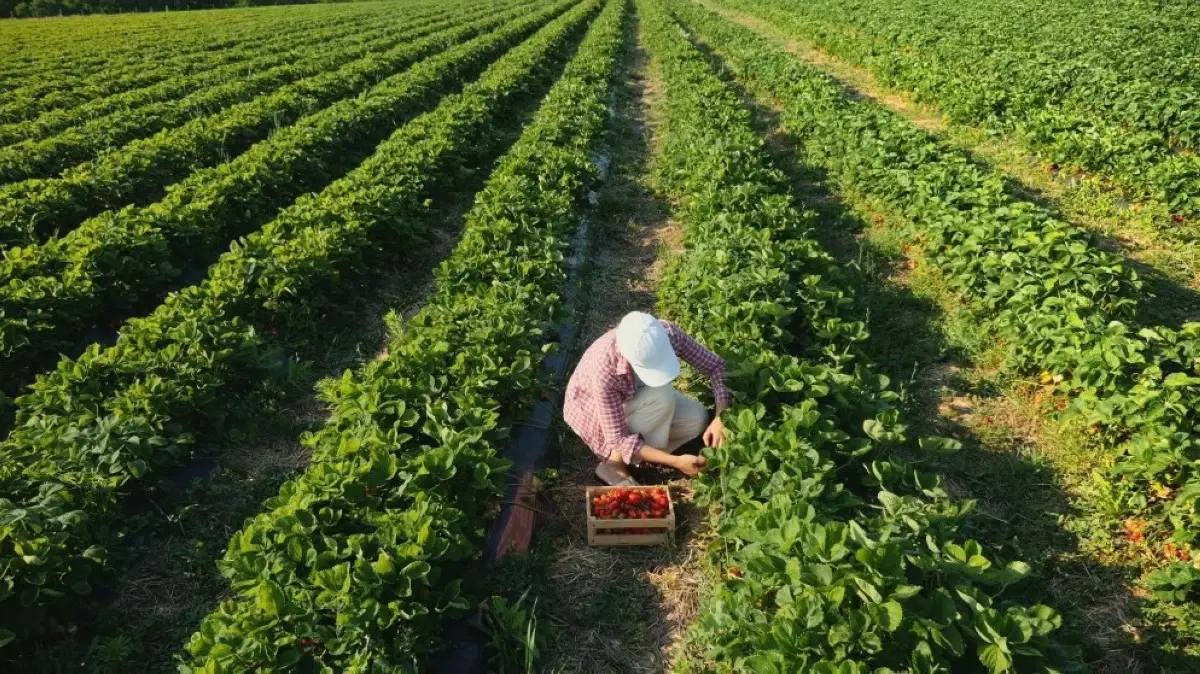
For her part, the Ambassador of Jordanian Heritage, Dr. Fatima Al-Nsour, emphasized the importance of rural women investing in the natural resources available to them, including agricultural land, livestock, and crops, and transforming raw materials into products of value, while reducing waste and preserving agricultural and heritage traditions and passing them from one generation to the next.
She added that rural women play an important role in agricultural production, food processing, and providing local products, especially in the Jordan Valley regions, stressing the importance of keeping pace with the times and using social media and the digital economy to market products and search for new markets within Jordanian society.
In turn, writer Dr. Rawan Al-Hiyari pointed to the importance of celebrating the International Day of Rural Women, which falls on October 15th of each year, and enhancing the participation of local communities in supporting rural women, noting the importance of organizing events and conferences that highlight their role and produce recommendations that contribute to improving their economic and social reality.
She stressed that the role of rural women goes beyond the stereotypical image associated with producing household goods and preserving culture and heritage, to include a strategic contribution to the national economy through their sustainable economic participation and their role in cultural and heritage tourism.
She emphasized that efforts should not be limited to encouraging women to establish development projects, but must work to ensure their sustainability and provide a rewarding income for their owners, which enhances their economic independence and reflects positively on the lives of their families and the gross domestic product, noting that empowering rural women requires the cooperation of government institutions and social, political, and economic actors.
In turn, family and educational consultant Dr. Nermin Attia spoke about the importance of enhancing family awareness among rural women and providing the necessary guidance to help them face modern developments, confirming the role of the family in supporting women and encouraging them to invest in the resources available to them and develop their productive and entrepreneurial capabilities.
She added that empowering women requires enhancing their psychological, social, economic, financial, legal, and digital awareness, in addition to encouraging family members, especially youth and students, to support their mothers in developing projects and benefiting from modern skills and technologies, which contributes to building cooperative families and a productive and developed society. In a related context, the Director of Agricultural Holdings, Engineer Abdullah Al-Qudah, emphasized the importance of the National Olive Festival in supporting rural women and marketing high-quality agricultural and rural products, noting that women play a pivotal role in providing these products, and that the festival constitutes an important platform for opening marketing opportunities for farmers and productive families and enhancing the presence of local products in markets.