- Aqel: Gradual increase in fuel prices eases burdens on citizens and maintains financial stability
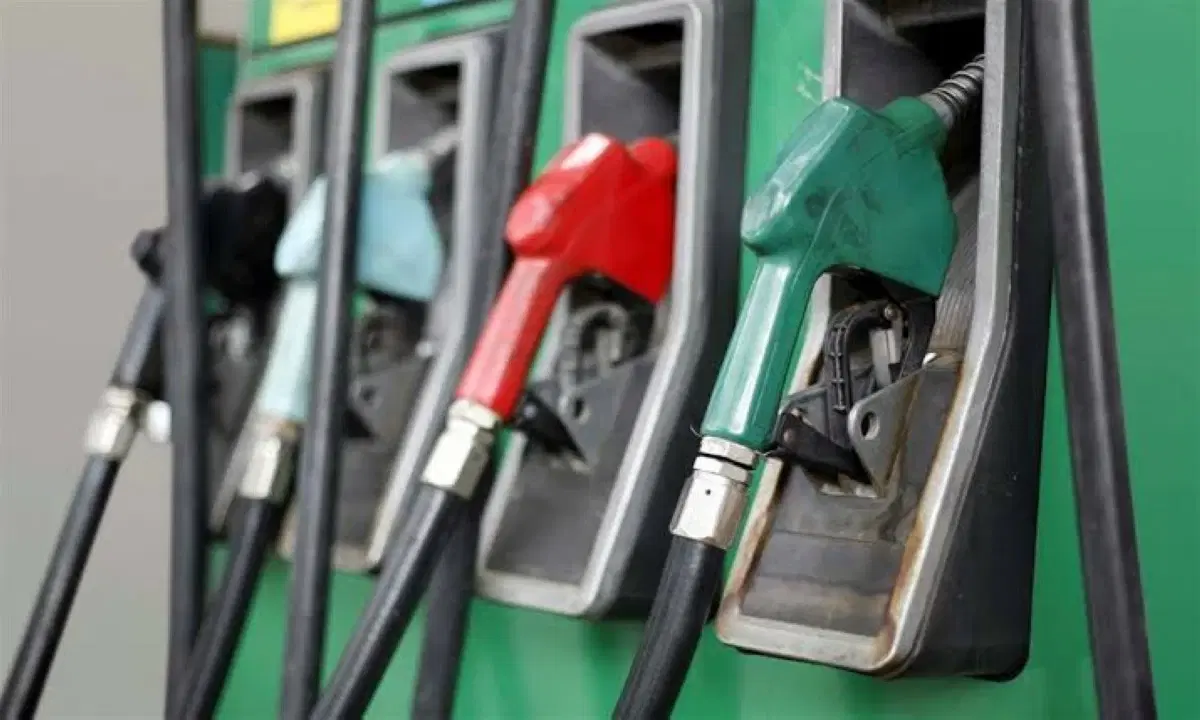
Energy expert Hashem Aqel expected local prices for both types of gasoline and diesel to rise in the upcoming November pricing, influenced by the surge in oil and petroleum product prices in global markets. He emphasized that gradually adjusting prices mitigates the impact of increases on citizens and economic sectors, helping to balance the protection of purchasing power with the preservation of public finance sustainability.
Aqel estimated that the price per liter of 90-octane gasoline would rise by 5 percent, diesel by 5.5 percent, and 95-octane gasoline by 2.5 percent. Mathematically, based on current prices, this equates to an increase of about 52.5 fils per liter for 90-octane gasoline, 49.5 fils per liter for diesel, and 34 fils per liter for 95-octane gasoline, with expectations that the price of household gas cylinders will remain fixed.
He explained that if these percentages are applied, prices will reach about 1102.5 fils per liter for 90-octane gasoline, 949.5 fils per liter for diesel, and 1394 fils per liter for 95-octane gasoline, before any rounding adopted by the Oil Derivatives Pricing Committee. He stressed that these figures are estimates of the potential increase and not an officially announced pricing.
Aqel stated that global oil markets witnessed sharp increases in recent weeks, with Brent crude reaching levels ranging between $116 and $117 per barrel, driven by supply disruption fears and geopolitical tensions in the region. This has reflected on refined petroleum product prices and increased pressures on their import costs. Brent had reached $117.17 per barrel during the trading sessions on October 23, according to Anadolu Agency.
He pointed out that the rise in global costs for gasoline, diesel, kerosene, and household gas places the local market under increasing pressures, at a time when the government is seeking to mitigate the impact of these rises through gradual price adjustments and by absorbing a portion of the price differentials, rather than passing the full increase onto the consumer all at once.
Aqel noted that the importance of this policy is tied to the living pressures facing Jordanian families, as a sudden and large spike in fuel prices increases transportation, shipping, and production costs. Its effects could also spill over into the prices of basic goods and services, weakening purchasing power and compounding the burdens on limited- and middle-income earners.
He added that a gradual price adjustment cushions the shock for consumers, gives families and economic establishments more time to adapt to changes and rearrange their expenditures, and helps limit the speed at which imported inflation is transmitted to the local market.
Data from the Oil Derivatives Pricing Committee for October show that the actual cost of a liter of diesel reached 1077.32 fils, compared to a consumer selling price of 900 fils, leaving a difference of 177.32 fils. Meanwhile, the actual cost of a liter of 90-octane gasoline reached about 1111.68 fils, compared to a selling price of 1050 fils, with a difference of 61.68 fils.
As for kerosene, its actual cost reached 1043.79 fils per liter, compared to a selling price of 550 fils, with a difference of 493.79 fils, while the cost of a liter of 95-octane gasoline reached about 1360.08 fils, compared to a selling price of 1360 fils. The price of the 12.5-kilogram household gas cylinder continued to be fixed at seven dinars, alongside a subsidy for liquefied petroleum gas allocated to the industrial sector of about 1.8 million dinars during October.
Aqel considered that continuing to absorb a portion of the price differentials, alongside subsidizing household and industrial gas, reflects a trend to absorb part of the global increases and mitigate their reflections on citizens and productive activities.
According to data from the Oil Derivatives Pricing Committee, the total subsidies and price differentials borne by the government from the beginning of the crisis until the end of last September reached about 255 million dinars, as a result of not passing the full actual costs of petroleum products onto local prices, aiming to protect citizens and ease burdens on economic sectors.
He emphasized that dealing with oil price surges requires achieving three main objectives: protecting citizens from price shocks, ensuring the continuous supply of petroleum products, and maintaining the sustainability of public finances.
He stressed that citizens need protection from sharp and sudden increases, while the state needs sustainable financial resources to enable it to continue providing basic services, considering that balancing these two needs is the essence of managing economic policy during times of oil crises.