Dhuneiba: The ((Aqaba - Al-Shudeifa - Ma'an) Railway) Project: A Qualitative Leap for the National Economy
Investment size of $2.5 billion.. and 5,000 direct and indirect job opportunities
Amman4 min read
Share
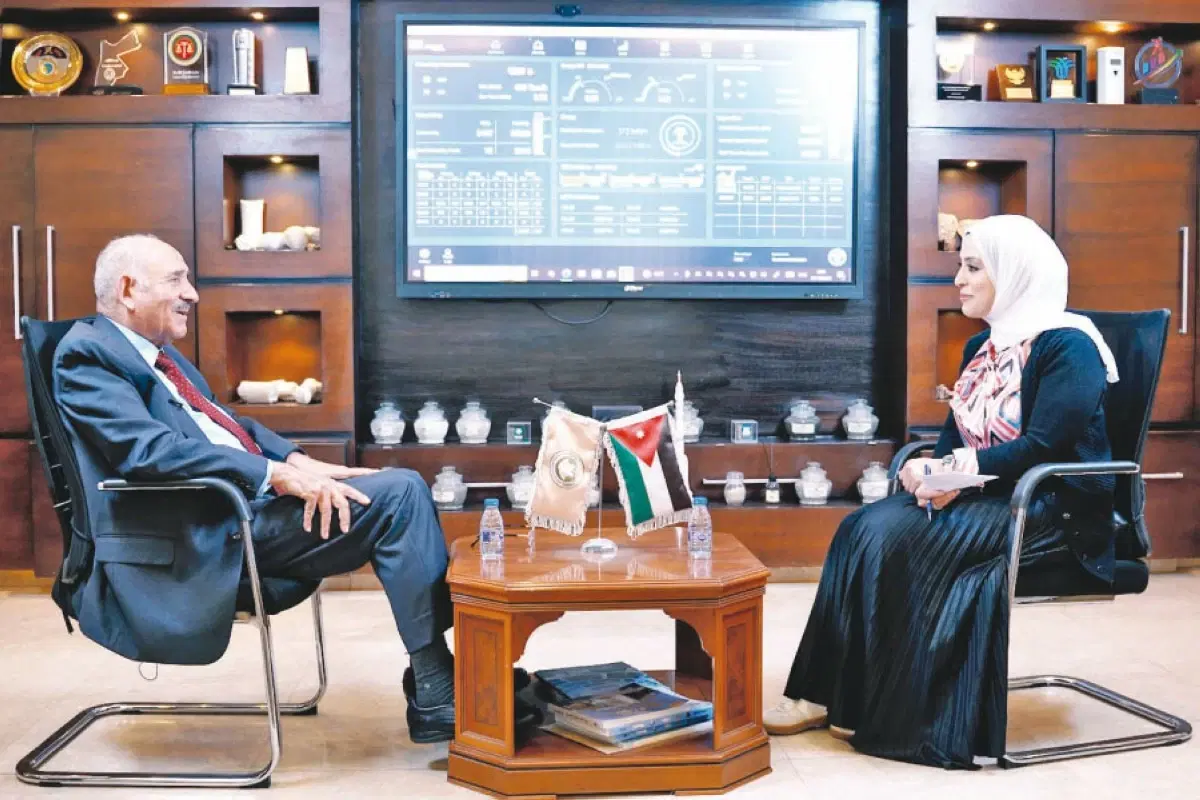
The Chairman of the Jordanian-Emirati Railway Company, His Excellency Dr. Muhammad Al-Dhuneiba, confirmed that the Aqaba - Al-Shudeifa - Ma'an Railway Project represents a strategic and qualitative investment project that will enhance the competitiveness of the national economy and support the transport, mining, and logistics sectors, noting that the investment in the project amounts to about $2.5 billion.
Al-Dhuneiba said in an exclusive interview with Al-Rai that the project represents a joint Jordanian-Emirati partnership, with the Emirati Union for Railways Company owning 50 percent, while the Jordanian share is distributed between the Jordan Phosphate Mines Company with 30 percent, the Government Contributions Company with 8 percent, the Social Security Fund with 7 percent, and the Arab Potash Company with 5 percent.
He added that the importance of the project is not limited to the economic aspect, but extends to social, environmental, and strategic dimensions, as it revives railway transport in Jordan, provides new expertise in operating trains and maintaining railways, and provides about 5,000 direct and indirect job opportunities.
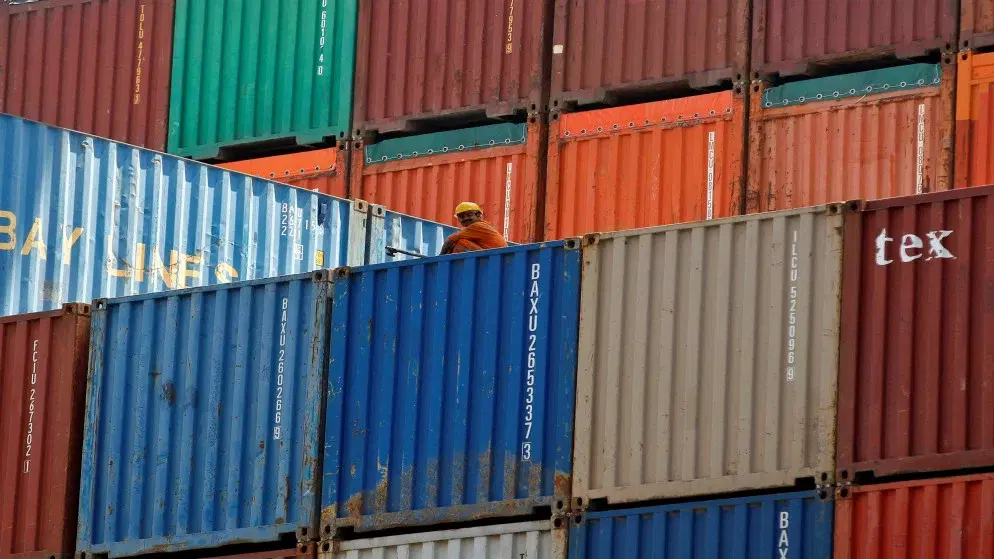
Al-Dhuneiba explained that the project will contribute to reducing the pressure on roads and trucks transporting goods from Aqaba Port and reducing emissions resulting from truck traffic, noting that the company has committed to transporting about 300,000 containers from Aqaba Port to Ma'an Land Port in the coming years.
He pointed out that Ma'an Land Port will form an important logistics center that can be connected in the future to a network of roads and railways reaching several countries in the region, including Saudi Arabia, Iraq, Syria, and the Gulf countries, enhancing Jordan's position as a regional center for transport and logistics services.
He explained that the cost of transporting phosphates and potash has been determined under the signed agreements, noting that the economic feasibility studies of the project showed the need to transport about 16 million tons annually to achieve a return of at least 7 percent, including about 13 million tons of phosphates and 3 million tons of potash.
Al-Dhuneiba confirmed that work on the project has already begun, explaining that the first tender worth about $10 million has been referred to for the implementation of the necessary roads to reach the sites for the construction of tracks, tunnels, and bridges, in preparation for the start of the main construction works.
He expected that the implementation of the tracks and the main parts of the project will begin at the beginning of 2027, while the implementation period will take about five years, with the possibility of delays in some areas due to expropriation procedures and the removal of obstacles.
Regarding the impact of the project on Aqaba, Al-Dhuneiba said that Aqaba will be one of the main beneficiaries, as it is the maritime launch point for the project, noting that the project will enhance port traffic, support investments and logistics services, and contribute to increasing job opportunities and economic activity in the province.
He pointed out that the impact of the project will not be limited to Aqaba and Ma'an, but will extend to other areas, including Al-Shudeifa and East Amman, with the possibility of future expansion towards the Iraqi, Syrian, and Turkish borders, confirming that the future vision of the project goes beyond transporting phosphates, potash, and containers to building an integrated regional transport system.
Al-Dhuneiba pointed out that the railway project is part of a group of major projects that can form a pillar of the Jordanian economy in the coming years, alongside the expansion of the phosphate sector and the National Water Carrier project, which are expected to inject billions of dollars in investments into the national economy.
He stressed that Jordan has an attractive investment environment based on security and stability, calling for continued facilitation of procedures for investors, considering that the success of major projects will open the door to new investments in the energy, food, infrastructure, housing, and other sectors.
Al-Dhuneiba emphasized that all details of the Jordanian-Emirati Railway Company project are announced and clear, explaining that the ownership of the project will revert to the Hashemite Kingdom of Jordan after the end of the agreement period, which is 30 years, with the possibility of extending it according to the agreement, for the project to return to the government in good operational condition and capable of continuation.
He expressed optimism that the project will be the beginning of a larger expansion in the railway transport system in Jordan, including passenger transport in the future, and connecting a number of cities and regions with a modern train network, confirming that the 'Aqaba-Al-Shudeifa-Ma'an' project represents a starting point towards a more comprehensive economic and transport vision.