Department of Statistics: Extension of the census from two to 3 weeks to complete counting operations
Amman4 min read
Share
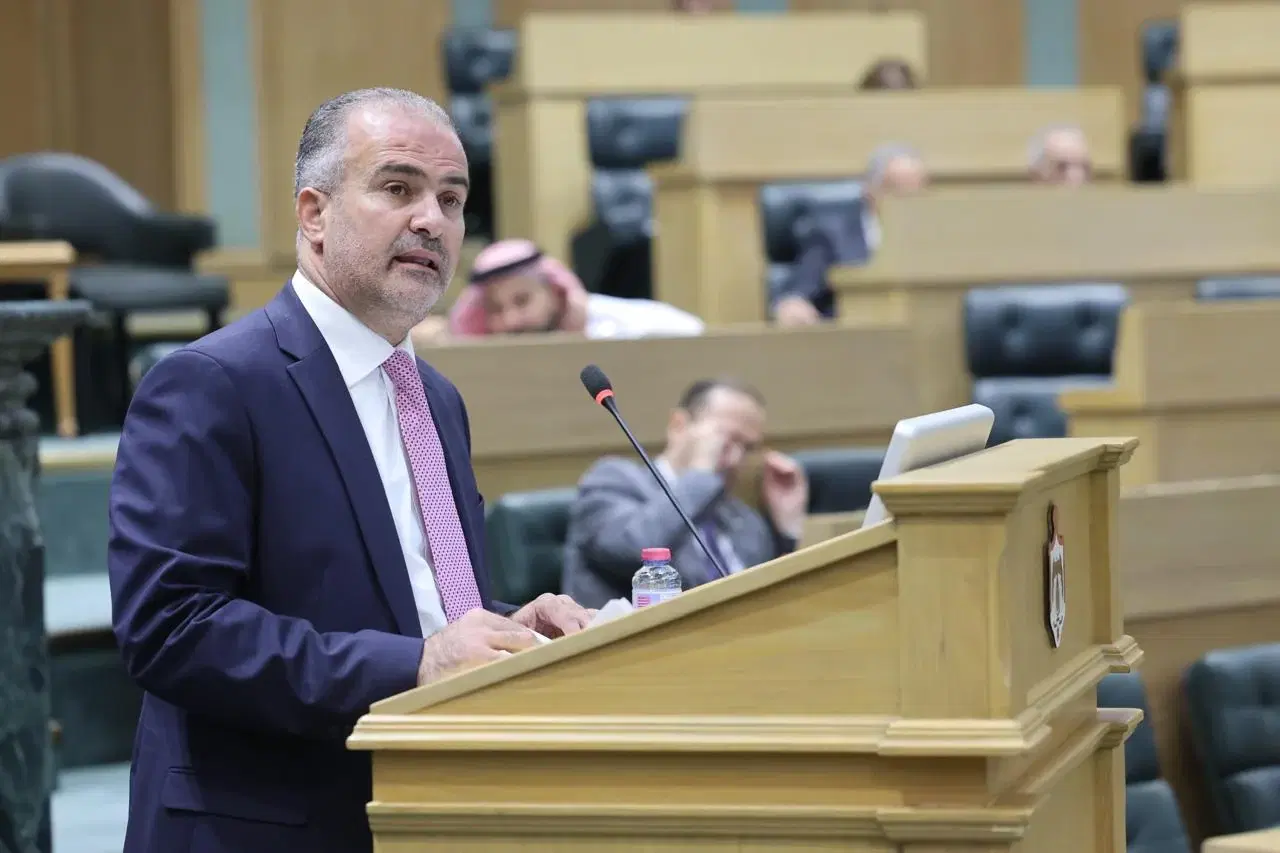
Director General of the Department of Statistics, Haidar Fraihat, announced on Saturday the continuation of the census work for an additional two to three weeks to complete counting operations.
The census was originally scheduled to conclude on Saturday with the participation of nearly 12,000 field researchers, but the department decided to extend the work to complete the counting operations.
Fraihat previously emphasized that the General Census of Population and Housing includes everyone who does not hold a national number, calling for a focus on non- Jordanians across all segments and the accurate provision of required data.
Fraihat stated that the census form does not include questions about income or property, and for non-Jordanians, it is not linked to residency status or work permits, explaining that the census is limited to the population and their characteristics.
He pointed out that the census form is not linked to any other database or government department and operates intelligently, as it transitions to questions designated for Jordanians or non-Jordanians based on the answers to basic data, bypassing unnecessary questions for each case.
He emphasized that the data of citizens and non-citizens enjoys legal protection, and that its collection does not involve any violation of privacy, noting that the Department of Statistics needs this information once every 10 years.
Data Collection Mechanism
It is required that the person providing the data be an adult and familiar with the conditions and characteristics of the household they represent, whether husband, wife, or one of the sons or daughters over the age of 18, and capable of answering questions regarding household members' characteristics, including health insurance coverage and the educational status of each individual.
This applies to non-Jordanian housing that does not comprise a family in the traditional sense, but rather collective housing for young people, whether students or workers, where one of the residents can provide data on behalf of others, provided they are familiar with their circumstances.
In the event of a refusal to welcome the researcher or provide information, the Department of Statistics relies on the awareness of citizens and non-Jordanians, with a return visit scheduled at a time convenient for the family. If completing the task is not possible on the second visit, a third visit is made, and then a more experienced researcher takes over following up on the case.
To curb instances of refusal, the department selected researchers from the areas where they work, who are often male or female teachers from the region, making them well-known to the families.
The department provided researchers with statistical IDs containing a Quick Response code (QR), allowing families to verify the researcher's identity via the "Sanad" application, and also allocated a free call center at the number 117110 to answer inquiries related to the census.
Filling out the form takes about 15 to 30 minutes, while the department urged citizens and non-Jordanians to cooperate with researchers and provide accurate and clear data.
Field Challenges
Regarding field challenges, the department has devised alternative plans to deal with poor radio or cellular coverage in some areas, alongside weather conditions and the cold, while revisiting areas that could not be reached in a timely manner.
In some areas, the department enlists locals to accompany the statistical researcher and facilitate communication with citizens and residents, while field staff and relevant authorities in governorates, villages, and cities work to facilitate the researchers' mission.
The questions posed provide statistical data that helps the department analyze population characteristics and determine their needs, thereby supporting developmental planning in the areas of infrastructure, services, and benefits for citizens and non-citizens alike.
The General Population and Housing Census is conducted once every 10 years, based on the General Statistics Law No. (8) of 2025, which stipulates that the census be conducted at least once every ten years, and guarantees data confidentiality and the protection of privacy.