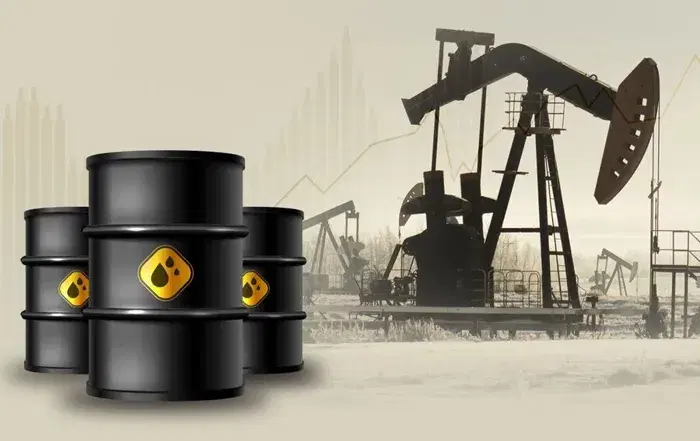
The rise in prices came as uncertainty continues regarding global oil supplies, in light of escalating tensions in the Middle East and concerns related to the movement of oil tankers through the Strait of Hormuz and tensions at Bab al-Mandab in the Red Sea.
The rise coincided with disruptions in the diesel market, amid continued attacks on energy infrastructure in Russia and Ukraine, and the concerns they raise regarding fuel supplies.
On Wednesday evening, US President Donald Trump said that his country is not currently holding negotiations with Iran, adding that "things will happen soon one way or another."
Western reports spoke of American-Israeli preparations to launch a broad attack on Iran, amid ambiguity regarding the timing of its implementation, coinciding with the approach of the US midterm congressional elections, scheduled for November 3.
In a development that increases concerns about the security of energy supplies, the Iranian Revolutionary Guard announced in a statement on Thursday that it had targeted 4 ships in the northern part of the Arabian Gulf, which it said were carrying out ship-to-ship oil cargo transfers.
The developments in the global energy market come in light of ongoing military tensions between the United States and Iran.
On February 28, the United States and Israel launched a war on Iran, and Tehran responded with attacks on Israel and US sites in countries in the region, before reaching a ceasefire last April.
Later, the United States launched new attacks on sites in Iran, amid stalled negotiations between the two countries, despite their signing of a memorandum of understanding in mid-June.