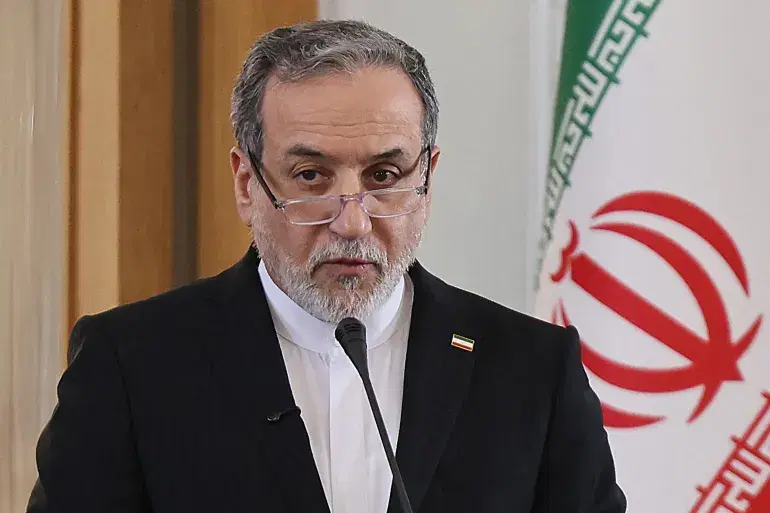
He added, "We are in close and constant contact with mediators to discuss ideas that would ensure the implementation of the seven-day plan in less than a week."
Araghchi's statements came at a time when Israel and the United States have intensified their warnings to the Islamic Republic regarding the possibility of resuming hostilities, amid stalled negotiations between Tehran and Washington.
In September, Iran proposed a plan to reopen the Strait of Hormuz within seven days if the "necessary conditions" were met, particularly regarding ending the war on all fronts in the region. However, the plan, which Tehran conveyed to Washington via Doha, was met with American rejection.
In its previous proposal, Tehran also demanded the release of its frozen assets abroad, the lifting of sanctions imposed on its oil sector, and an end to the American blockade on its ports.
The American news site "Axios" reported on Wednesday that regional mediators, led by Qatar, are pushing for a "diplomatic agreement" to revive US-Iranian talks and prevent the resumption of war in the Middle East after the US midterm elections scheduled for November 3.
The report added, citing American, Israeli, and regional sources, that the Qataris are trying to "persuade Iran to allow International Atomic Energy Agency inspectors to visit its nuclear sites that were bombed in exchange for easing some US sanctions."
Iran announced that a Qatari delegation visited it on Sunday to hold talks with its officials regarding the latest developments, especially the negotiations, the Strait of Hormuz, and energy supplies.
Iran asserts its control over the Strait of Hormuz and repeatedly targets ships attempting to pass through it without its permission. In return, the United States imposes a counter-naval blockade on Iranian ports.
Diplomatic efforts aimed at resolving the conflict and ending the war remain at a standstill, especially since the collapse of the June agreement that set a supposed path toward a permanent settlement.