According to the law, the death penalty is imposed on anyone who intentionally sets fire to forests, brush, cultivated or uncultivated fields, or trees and timber located within forests.
The penalty includes "anyone who intentionally sets fire to any public or private property at the behest of or for the benefit of a foreign state or party, or within the framework of crimes of treason and espionage with an organized criminal group."
It also applies to crimes targeting public security and order, national unity and the stability of institutions, the national economy, or those causing damage to the environment, ecological balance, and forest, plant, animal, and agricultural resources.
The application of the death penalty extends to "anyone who incites, encourages, finances, plans, or contributes to the commission of these acts, or prepares for or facilitates them by any means, including information and communication technologies and social media sites."
The penalty also includes arson crimes that result in the death of one or more persons.
Regarding child abduction crimes, the law stipulates the imposition of the death penalty on anyone who kidnaps a child by any means, tortures, sexually assaults, or mutilates them, regardless of other penalties stipulated in existing legislation.
The law also prohibits those convicted of crimes covered by these provisions from benefiting from mitigating circumstances stipulated in the Penal Code.
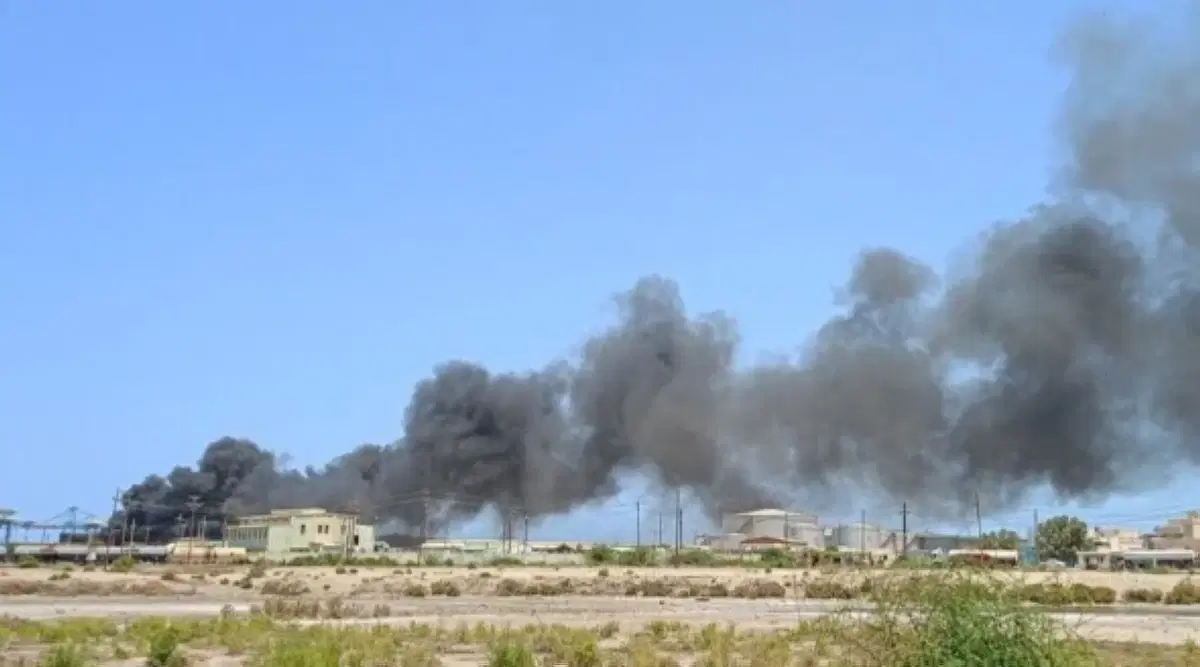
Algerian President Abdelmadjid Tebboune had directed the reactivation of the death penalty for these crimes following widespread fires that the country witnessed late last August, which resulted in human and material losses, particularly in the eastern provinces.