Al-Qaisi: More than 100 pharmacies in Aqaba and challenges that require regulatory review of the sector
Amman5 min read
Share
The pharmaceutical sector in Aqaba faces a series of regulatory and professional challenges, at a time when the market is witnessing an expansion in the number of pharmacies and development in methods of obtaining and delivering medicines, which requires reviewing a number of procedures regulating the sector, in line with market needs and maintaining the safety and sustainability of the profession.
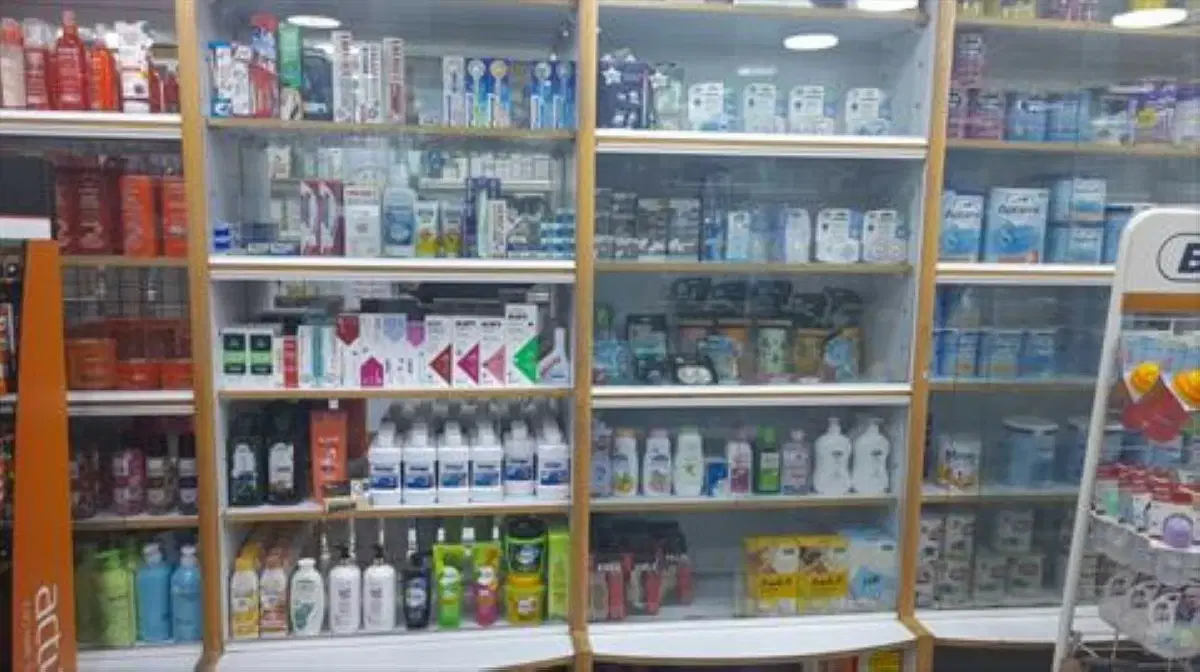
Dr. Ahmed Al-Qaisi, Chairman of the Subcommittee of the Pharmacists' Syndicate in Aqaba, said in an interview with 'Al-Rai' that the city of Aqaba has more than 100 pharmacies, while the number of pharmacies in the villages and areas belonging to the governorate does not exceed four or five pharmacies, explaining that these areas rely heavily on health centers to meet their health and pharmaceutical needs, while private pharmacies are mainly concentrated within the city of Aqaba.
Al-Qaisi pointed out that the internationally accepted rates indicate that one pharmacy serves between 8,000 and 12,000 people, while the rate in Aqaba reaches about one pharmacy for every 2,000 people, which reflects a high density in the number of pharmacies compared to the population and the actual need for the service.
He stressed that a pharmacy is not a store or supermarket, but a health facility with a special professional and pharmaceutical nature, which requires that the regulation of its spread be based on population density, the actual need for the service, and the market's ability to absorb new numbers, in order to achieve a balance between the right to invest and the requirements of regulating the profession.
Regarding expired or near-expired medicines, he pointed to the need to review the mechanisms for collecting and destroying them and the sites designated for this purpose, and to establish a clear and safe system that ensures their disposal according to the approved health and environmental standards, and prevents their re-circulation or reaching citizens, considering that dealing with these items represents a fundamental aspect of the drug control system and community safety.
Al-Qaisi expressed optimism about the pharmaceutical sector's role in the Aqaba Special Economic Zone Authority, emphasizing the importance of continuous coordination and communication between the pharmaceutical sector and decision-makers in the Authority, as it is the body responsible for the regulatory procedures related to the sector's work in Aqaba, which helps address challenges and develop the pharmaceutical work environment.
He considered the customs procedures related to clearance to be one of the most prominent challenges facing the pharmaceutical sector, expressing the pharmacists' aspiration for more responsiveness and facilities from the customs authorities, in order to speed up the completion of transactions and enhance the smooth arrival of medicines and supplies to the market, while maintaining the requirements of control and scrutiny.
He also called for enhancing coordination between customs, regulatory, and health authorities, and reducing the repetition of procedures and documents, in order to shorten the time required to complete transactions and increase the efficiency of the drug supply chain.
Regarding the electronic platform, Al-Qaisi explained that the platform, despite the presence of a number of observations and issues related to its mechanism of operation, contributed to organizing invoices, orders, and quantities, and helped control the movement of items and enhance the regulation of pharmaceutical transactions, calling for its continued development and addressing the observations facing pharmacists, in order to make it more effective and easier to use.
He pointed out that the increase in pharmacy licensing fees, along with operating costs and competition, poses a challenge to the sustainability of a number of pharmaceutical establishments, especially in light of the high number of pharmacies in certain areas of Aqaba, which necessitates considering the regulatory and operational costs within the broader picture of the sector.
Al-Qaisi warned against medicine delivery applications and that pharmacies are the only place to dispense medicines due to the presence of qualified and capable individuals to dispense these medicines. He stressed that medicine is different from goods and foodstuffs, and that a percentage of medicines are only dispensed with a prescription, which requires verifying the prescription and the mechanism of dispensing the medicine and the entity that receives it.
He explained that the transportation of medicines must take into account the storage and transportation conditions specific to each item, especially those that require specific temperatures or storage conditions, emphasizing the need to not treat medicine as any other commodity that can be transported or stored without considering its safety and effectiveness requirements.
In the same context, he warned against involving pharmacies in the telemedicine system, stressing the importance of subjecting digital health services to clear professional controls, especially in cases that require a clinical examination or direct evaluation of the patient, in order to ensure that digital tools do not become a substitute for the medical evaluation required by the case and to exclude pharmacies from this system due to the availability of community pharmacies and their density in all cities of the Kingdom, which confirms the lack of need to involve them in this system.
Al-Qaisi emphasized that drug security in Jordan represents a fundamental part of health and food security, and that ensuring the availability of medicine at reasonable prices and maintaining the sustainability of the sector are priorities, pointing out that the Jordanian pharmaceutical sector constitutes an important part of the national economy, and has succeeded in reaching regional and global markets and building a presence for the Jordanian pharmaceutical industry.
He stressed that the coming phase requires an integrated vision for the sector, starting with regulating the spread of pharmacies according to the actual need, passing through facilitating customs procedures and developing the electronic platform, stopping medicine delivery and telemedicine services, and closing all illegal applications, reviewing licensing and operating costs, in addition to finding clearer mechanisms for dealing with expired medicines, in order to maintain patient safety, increase sector efficiency, and enhance its ability to continue.