- Al-Amawi: Two years of parliamentary experience call for choosing specialists
- Al-Amawi warns against MPs being preoccupied with upcoming elections at the expense of legislation
Follow Al Rai

- Al-Amawi: Two years of parliamentary experience call for choosing specialists
- Al-Amawi warns against MPs being preoccupied with upcoming elections at the expense of legislation
- Al-Amawi calls for prioritizing the public interest over parliamentary bloc quotas
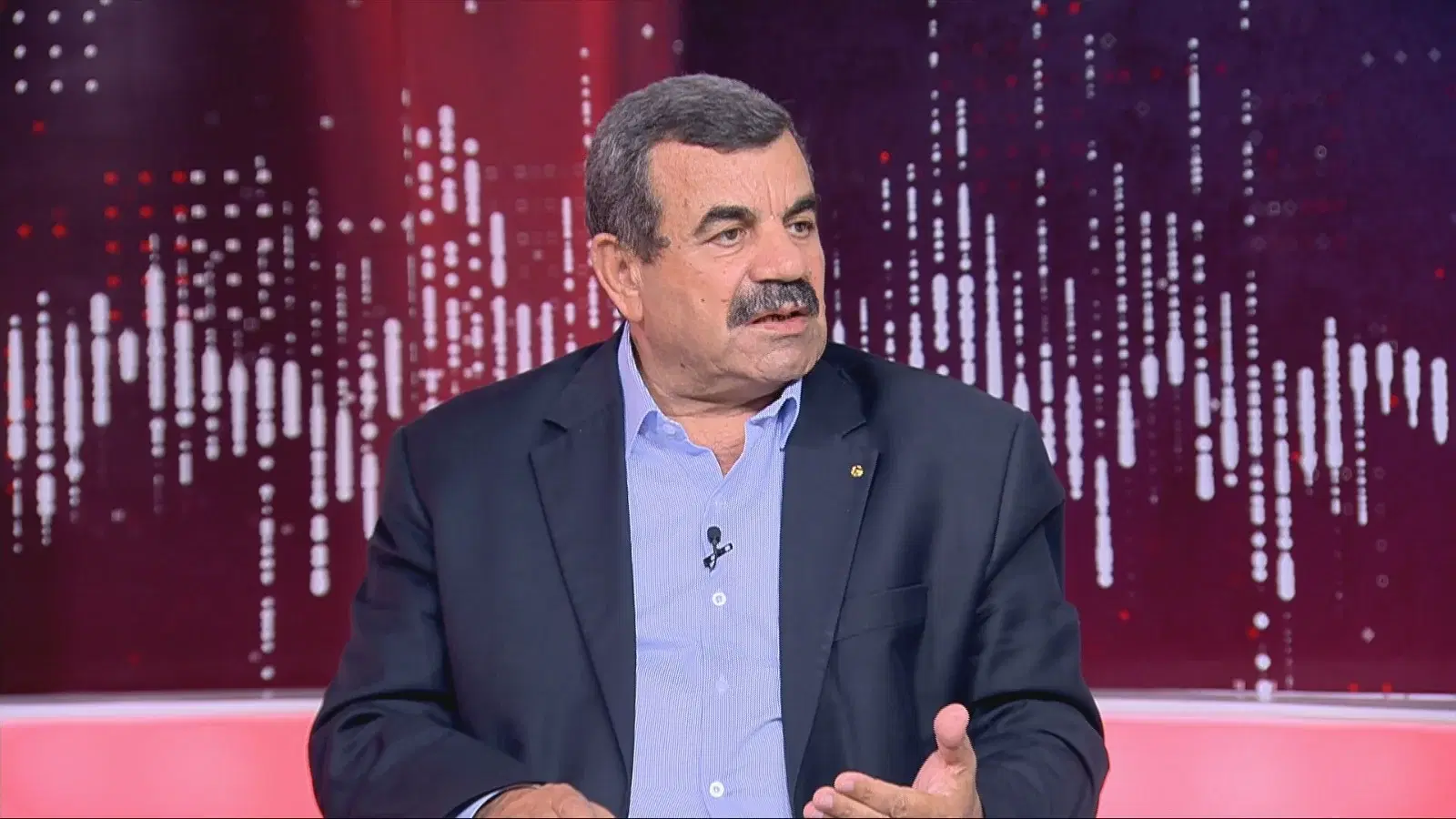
Member of the House of Representatives, Mustafa Al-Amawi, called for adopting competence and experience in the elections for the House of Parliament presidency, the permanent office, and parliamentary committees, away from quota-sharing among blocs, stressing the need to activate the work of committees and invest the experience of MPs over the past two years to enhance legislative achievement.
Al-Amawi stated on Monday that the consensus witnessed in previous sessions regarding the distribution of permanent office positions and committees is not stipulated in the internal bylaws, but rather was resorted to in order to save time and avoid wasting weeks in forming them, especially since the ordinary session extends for six months and amid regional circumstances that call for avoiding bickering.
He explained that the opening of the ordinary session of the National Assembly is a constitutional entitlement that begins on October 1st of each year, and His Majesty the King may postpone it for a period not exceeding two months, pointing out that the date for opening the current session was set for November 2nd.
He added that the passage of two years of the Council's life has gained MPs experience in legislative and parliamentary work and the mechanisms of applying the internal bylaws associated with the provisions of the constitution, which calls for choosing the permanent office members and committee chairs based on competence and specialization, rather than distributing positions according to the quotas of parliamentary blocs.
Al-Amawi stressed the necessity of entrusting parliamentary responsibilities to those with specialization and experience, considering that consensus should not turn into quota-sharing in distributing positions or lead to choosing committee members who do not possess the necessary specialization.
Al-Amawi: 20 parliamentary committees face the responsibility of activating legislative work
Al-Amawi emphasized that parliamentary committees represent the legislative kitchen of the Council, pointing out that activating the work of the twenty committees and effectively distributing tasks among them would raise the level of legislative achievement.
He pointed out that some committees have not held their meetings, while some of their members have only participated in a limited number of them, calling on MPs to commit to attendance and follow up on draft laws to ensure they are studied and prepared before being referred to the Council.
He pointed out that the Council achieved a major legislative effort during the previous session, including the extraordinary session, emphasizing the importance of building on this effort in the upcoming session, which precedes the fourth session, during which MPs might be preoccupied with preparing for the upcoming elections.
Regarding the management of sessions, Al-Amawi explained that the Speaker of the House of Representatives undertakes the management of sessions and the organization of the agenda, emphasizing the need to enable MPs to present their interventions and programs under the dome and not deprive them of speaking except in the event of violating the internal bylaws or constitutional controls.
He added that the internal bylaws allow the Council Speaker to cut off the sound of an MP if they exceed the limits of interventions or violate parliamentary norms.
Al-Amawi questioned the usefulness of competing for committee chairmanships or permanent office positions in light of the absence of incentives different from those granted to the rest of the MPs, calling for prioritizing the public interest and specialization over considerations of distributing positions among blocs, to ensure the effectiveness of the work of the Council and its committees during the upcoming session.
Know more about this story?Send us a tip
Ask about this report — answers stay grounded in its text.