The Official Gazette, in its issue number 6076, published a decision to approve the addition of four substances to Schedule V of the schedules of narcotic substances and psychotropic substances stipulated in the Narcotics and Psychotropic Substances Law No. 23 of 2016.
According to the decision published on page 5049, the added substances include: Mitragynine, 7-hydroxymitragynine, substance MGM-10, and Mitragynine pseudoindoxyl.
The decision was based on the provisions of Article 37 of the Narcotics and Psychotropic Substances Law, and after the recommendation of a competent committee and the approval of the Council of Ministers in its session held on September 16, 2026.
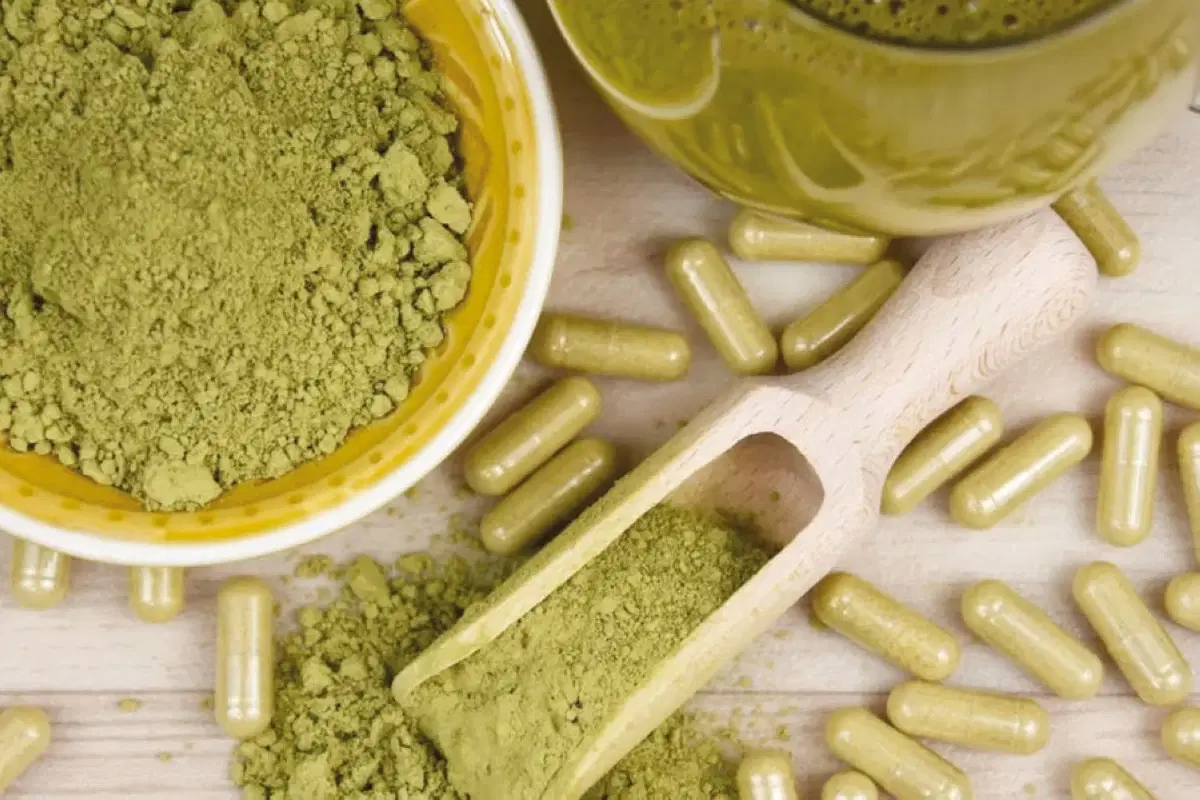
Psychiatrist and addiction treatment consultant Dr. Omar Al-Faouri said in an interview with Al-Rai that Mitragynine and 7-hydroxymitragynine are active substances found in the Kratom plant (Mitragyna speciosa), which grows in Southeast Asia, explaining that these substances affect the opioid neurotransmitters in the brain.
Al-Faouri explained that the effect of Kratom varies depending on the dose used, as small doses have a stimulating and activating effect, while large doses turn into an analgesic and anesthetic effect, which is related to the effect of the substance on the neurotransmitters in the brain.
He pointed out that these substances have a high potential for habituation and addiction, explaining that their effect on opioid neurotransmitters may lead to increased attachment to the substance and difficulty in stopping its use after dependence has occurred.
Al-Faouri pointed out that stopping the use of the substance in people who have become dependent on it may be accompanied by a number of withdrawal symptoms, including sweating, diarrhea, feeling alternating between heat and cold, muscle and physical exhaustion, in addition to loss of concentration.
He explained that dependence on the substance may push the person to gradually increase the dose in order to achieve the effect or euphoria that they felt at the beginning of use, pointing out that this increase is one of the manifestations of habituation and addiction to the substance.