18 initiatives in the food industries strategy to enhance competitiveness by 2029
Amman2 min read
Share
The National Strategy for the Food Industries Sector 2027-2029 has developed seven strategic axes that form the general framework for transformation, translating them into an integrated portfolio comprising 18 strategic initiatives designed based on value chain analysis, competitive and regulatory challenges, and directly linked to strategic objectives and axes to ensure maximizing economic impact and avoiding the fragmentation of interventions.
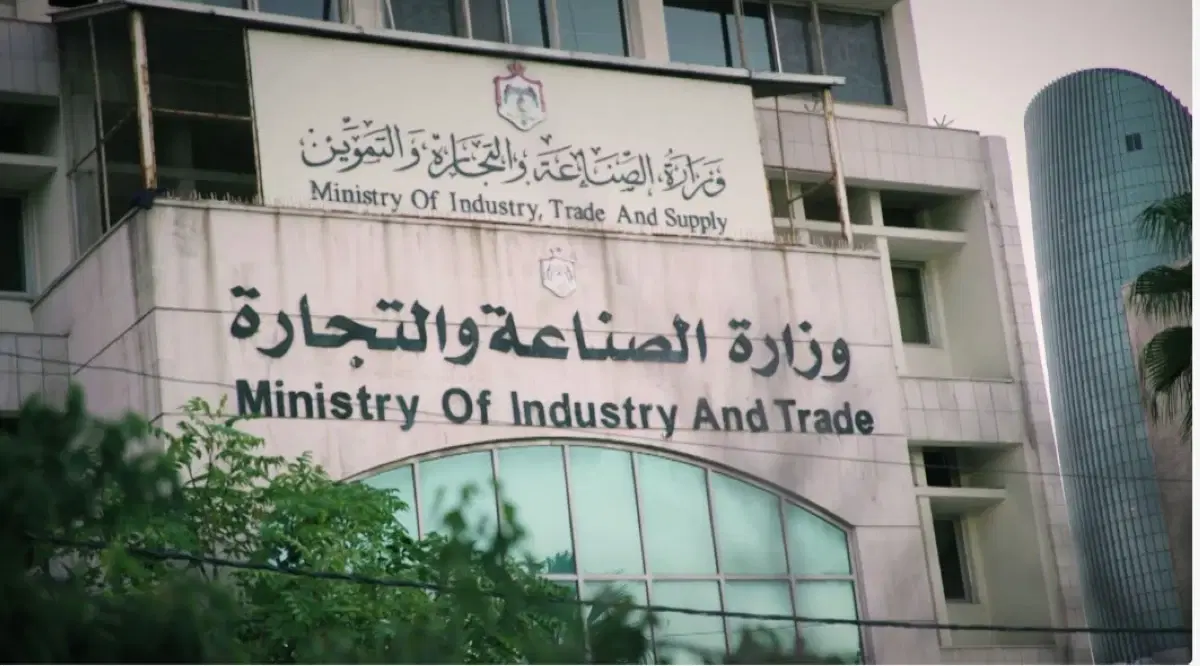
The initiatives translate the axes of the strategy prepared by the Ministry of Industry, Trade and Supply, with the support of the Economic Reform Program, in partnership with the Jordan Chamber of Commerce, and relevant entities from the public and private sectors into measurable executive programs covering various elements of the food industries ecosystem. This ranges from updating the legislative and regulatory environment, launching the national food traceability system, applying risk-based control, developing national laboratories and accreditation, to enhancing energy and water efficiency, promoting contract farming, establishing agro-industrial hubs, developing cold chains and logistics services, deepening local content, food innovation, the national brand, digital transformation, smart manufacturing, skills development, and advancing the packaging industry, thereby enhancing value added, export readiness, and sector competitiveness.
By 2029, the strategy aims to achieve a qualitative transformation in the sector's performance by increasing productivity and added value, enhancing export competitiveness, expanding the base of export markets, improving resource use efficiency, generating quality job opportunities, strengthening local content, and solidifying Jordan's position as a regional hub for food industries and food supply chains, within an integrated framework of performance indicators and monitoring and evaluation mechanisms that ensure impact measurement and linking implementation to results.
At the beginning of this month, the ministry announced the launch of 3 sectoral strategies for the years (2027–2029), covering engineering, food, chemical, and cosmetic industries, as part of efforts to develop the industrial sector, enhance its competitiveness and productivity, and support the targets of the high-value industries engine within the Economic Modernization Vision. This also includes developing targeted sectors by identifying priorities, initiatives, and projects with economic impact and linking them to clear performance indicators and targets to boost the sector's contribution to economic growth, exports, investment, and employment.