Yarmouk University and Tishk International University Organize a Conference on the Convergence of Sciences
Amman7 min read
Share
Badran: Universities are urged to transform scientific research into innovation, production, and startups
Al-Shрайri: Holding the conference in conjunction with Yarmouk's golden jubilee celebrations embodies its vision of turning scientific research into a true lever for sustainable development
Abu Orabi stresses the importance of the conference in sustaining inter-university cooperation and exchanging expertise and research capacities
Awawdeh: The conference witnesses the participation of researchers from 13 countries discussing 92 scientific papers and posters
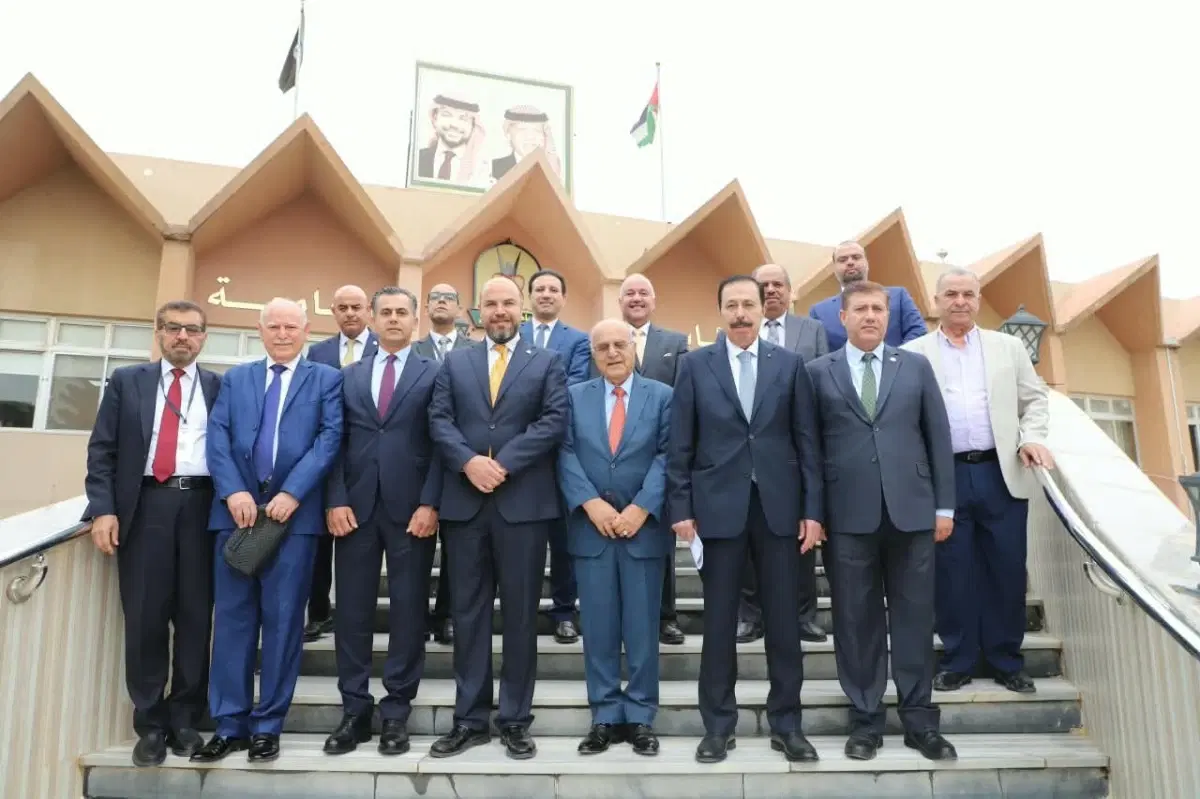
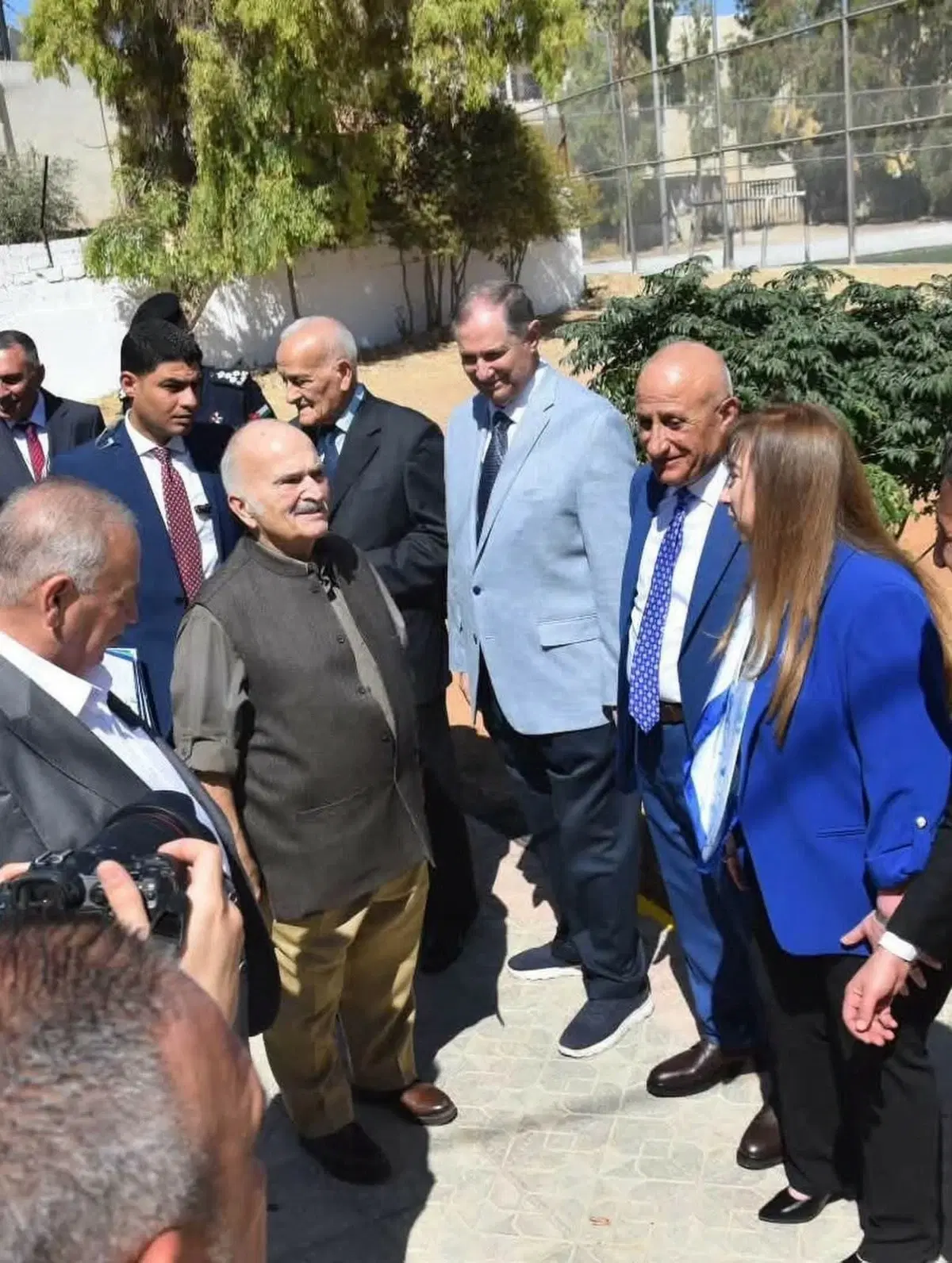
Former Prime Minister Prof. Dr. Adnan Badran patronized, in the presence of the Chairman of the Board of Trustees of Yarmouk University Prof. Dr. Taysir Al-Nuaimi, University President Prof. Dr. Malik Al-Shрайri, and President of Tishk International University Prof. Dr. Sultan Abu Orabi, the opening of the international conference titled "Fifty Years of Excellence: Convergence of Sciences for a Sustainable Future," organized by the Faculty of Science at Yarmouk University in partnership with the Faculty of Applied Sciences at Tishk International University in the Kurdistan Region of Iraq, with the participation of an elite group of scientists, researchers, and academics from Jordan and several Arab and foreign countries.
In his opening speech, Badran emphasized that the primary challenge facing universities today is not providing students with sciences and knowledge—given their easy accessibility and availability through multiple sources—but rather preparing them for a changing future by developing their mental capacities, promoting critical, analytical, deductive, and creative thinking skills, and empowering them to handle problems and find appropriate solutions, alongside instilling human values and keeping pace with rapid developments in technology and artificial intelligence.
He called for a qualitative shift in the role of universities to become active centers for advanced scientific research, nuclei for industrial, agricultural, and technological renaissance, and key partners in achieving sustainable development. He stressed the importance of directing scientific research toward production and practical application, bridging the gap between academic institutions and industrial and production sectors, and enabling the transformation of knowledge into innovations, patents, projects, and startups that support the national economy and enhance its competitiveness.
Badran stressed that universities possess a real wealth represented in their academic and scientific cadres and human capacities, which necessitates optimal investment in these potentials and enhancing integration among various scientific disciplines. He noted that contemporary challenges—such as climate change, resource scarcity, food security, and renewable energy—cannot be addressed through a single discipline, but rather require united efforts, the exchange of expertise, and the integration of knowledge to find innovative and sustainable scientific solutions.
For his part, Al-Shрайri affirmed that holding this conference in conjunction with the university's celebrations of its golden jubilee embodies the university's strategic vision of turning scientific research into a true lever for sustainable development, promoting multidisciplinary applied research, and linking its outcomes to national and regional needs.
He added that universities today face challenges that transcend the boundaries of scientific disciplines, foremost among them water scarcity, climate change, energy and food security, and rapid developments in artificial intelligence and human health. These are issues that require building bridges of cooperation between basic and applied sciences and developing research partnerships capable of producing scientific solutions that respond to these challenges.
Al-Shрайri pointed out that organizing the conference in partnership with Tishk International University represents a model of academic cooperation between educational institutions in brotherly countries, reflecting the importance of exchanging expertise, researchers, and students, and expanding horizons for joint scientific work. He affirmed that the university's commitment is not limited to traditional education, but extends to nurturing innovation, supporting researchers and youth, and providing an academic environment that stimulates creativity.
In turn, Abu Orabi affirmed that Yarmouk has contributed to preparing generations of graduates who have assumed advanced scientific and administrative positions, leaving clear imprints in Jordan and various countries around the world. He noted the standing and academic reputation achieved by the university, which reflects the importance of investing in higher education, dispatching students to distinguished universities, and empowering them to acquire knowledge and expertise that contribute to the development of scientific institutions and society.
He stressed the importance of continued cooperation between universities and academic institutions, and the exchange of expertise and research capacities, to enhance the march of higher education and elevate the level of scientific research. He expressed his appreciation to Yarmouk University and the organizers of the conference, wishing that its proceedings would contribute to expanding areas of scientific partnership and achieving its research goals.
For his part, the Dean of the Faculty of Science at Yarmouk University and Chair of the Conference Preparatory Committee, Prof. Dr. Moheb Awawdeh, welcomed the participants, noting that the conference title is not limited to celebrating the faculty's journey since the university's establishment, but reflects a direction toward a future where sciences are more integrated and capable of responding to intertwined challenges.
He pointed out that the conference, through its scientific program and the participation of researchers from multiple countries, reflects the importance of unifying academic efforts and exchanging knowledge and expertise in facing current challenges, and expanding areas of cooperation between universities and scientific research centers. This contributes to enhancing the status of scientific research as an essential element in innovation and development. He emphasized the organizing committees' keenness to provide young researchers and graduate students with the opportunity to present and discuss their research and ideas, thereby enhancing opportunities for building sustainable research partnerships and developing joint scientific projects.
The opening events included a keynote lecture delivered by Prof. Dr. Riyad Sawafta, co-founder and Chief Technology Officer at Phase Change Solutions in the United States, titled "The Next Fifty Years: Accelerating and Democratizing Scientific Discovery." The lecture addressed the importance of accelerating the pace of scientific discoveries and expanding access to them, enhancing opportunities for innovation and employing scientific knowledge to face future challenges, and supporting integration among scientific disciplines to achieve sustainable development.
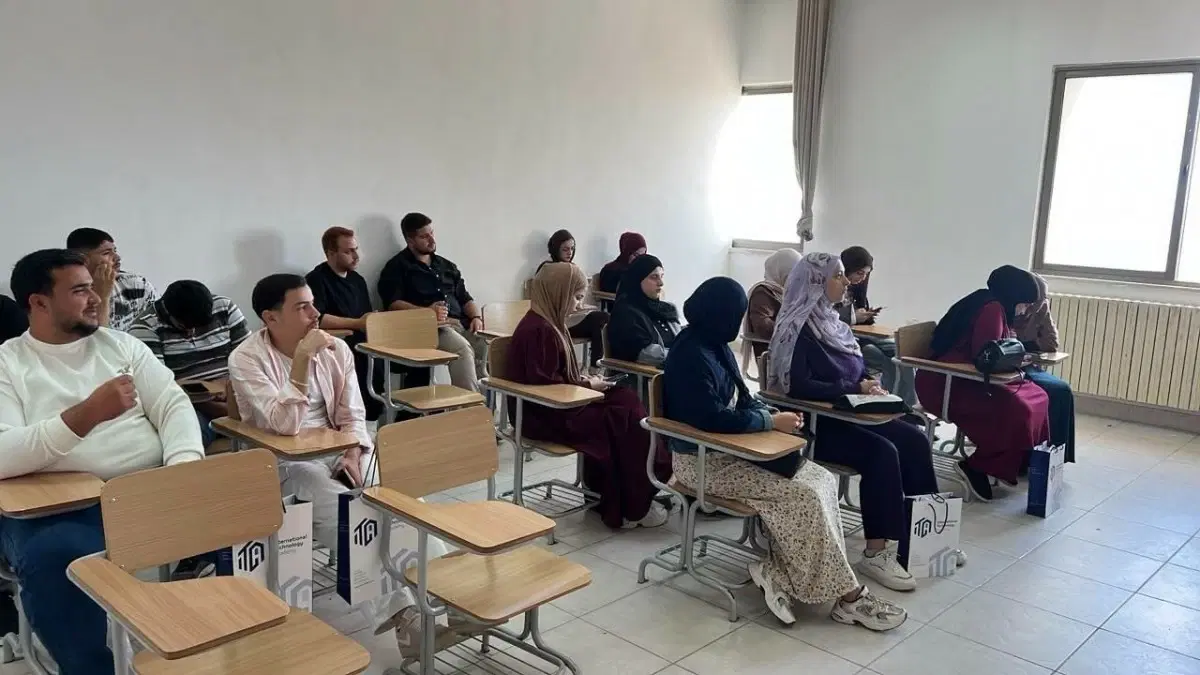
The first day of the conference also featured specialized scientific sessions discussing a range of modern research issues within its five tracks: physics, medical physics, and accelerator applications; advanced molecular and chemical sciences and nanotechnology; biological sciences and sustainable biotechnology; mathematics, statistics, and data science; and earth and environmental sciences.
The scientific papers also addressed diverse topics, most notably the applications of biotechnology in health and environmental fields, the employment of advanced materials and nanotechnology techniques in water treatment and the development of sustainable batteries, microbial adaptation to extreme environments, the use of artificial intelligence and machine learning in predicting environmental risks, alongside studies on climate change and environmental pollution, applications of medical physics, and data analysis and mathematical modeling.
The first day also witnessed a keynote lecture by Prof. Dr. Omar Farha from Northwestern University in the USA, titled "Nano-solutions for Global Challenges: The Potential of Metal-Organic Frameworks."
Attending the opening events of the conference were the Director of Private Education at the Ministry of Higher Education in the Kurdistan Region of Iraq, Dr. Ibrahim Rashid Hassan, and the Dean of the Faculty of Applied Sciences at Tishk International University, Dr. Faiq Hussein.
It is worth noting that holding this conference reaffirms the role of basic and applied sciences in facing growing global challenges, foremost among them climate change, water scarcity, energy and food security, as well as rapid transformations in artificial intelligence, data science, biotechnology, and advanced materials. This imposes the necessity of enhancing participatory scientific research and directing its outcomes toward finding practical and sustainable solutions that serve societies and contribute to achieving development.