Water Authority Signs Agreement to Generate Electricity from Biogas Worth 3.3 Million Euros
Amman3 min read
Share
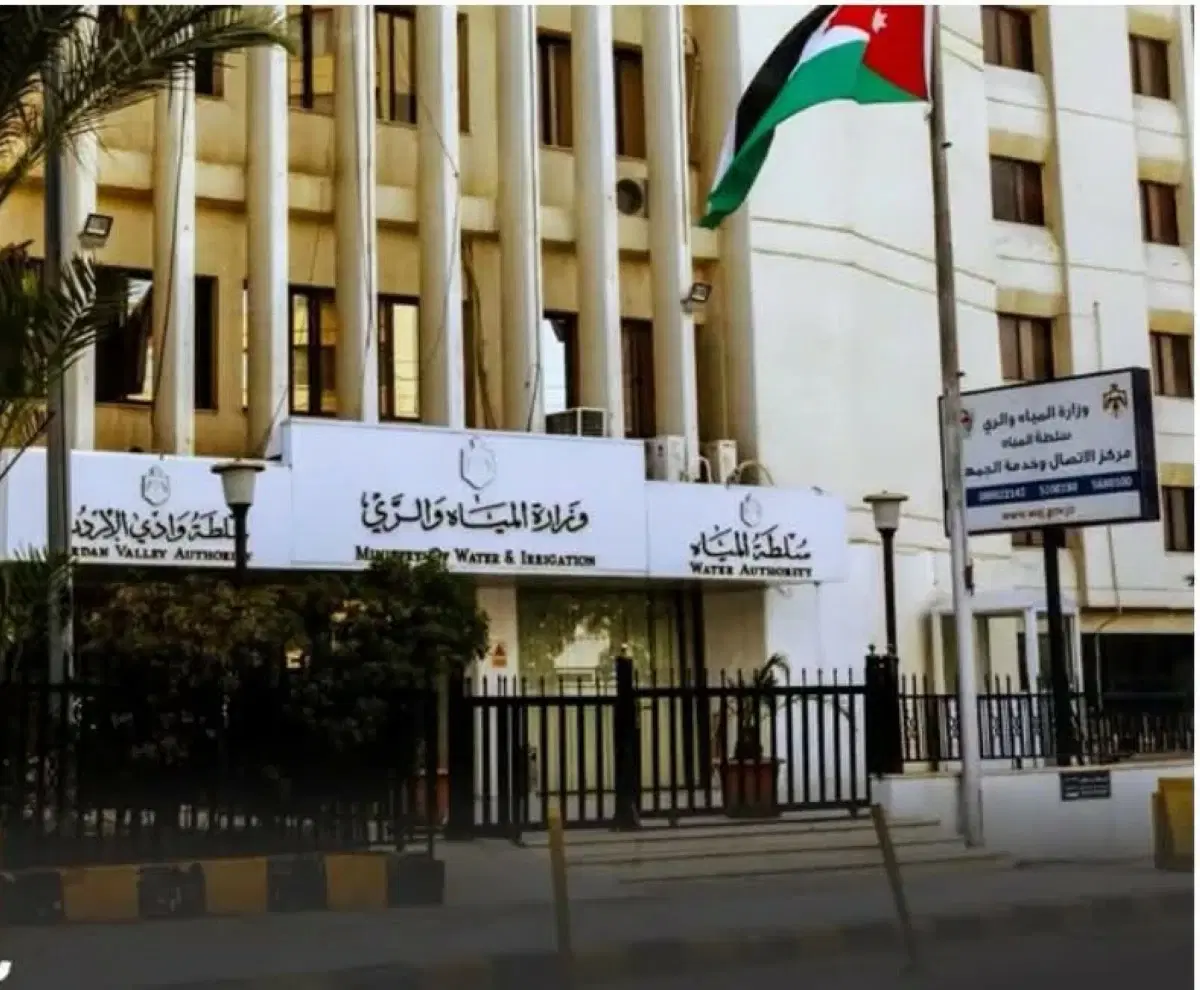
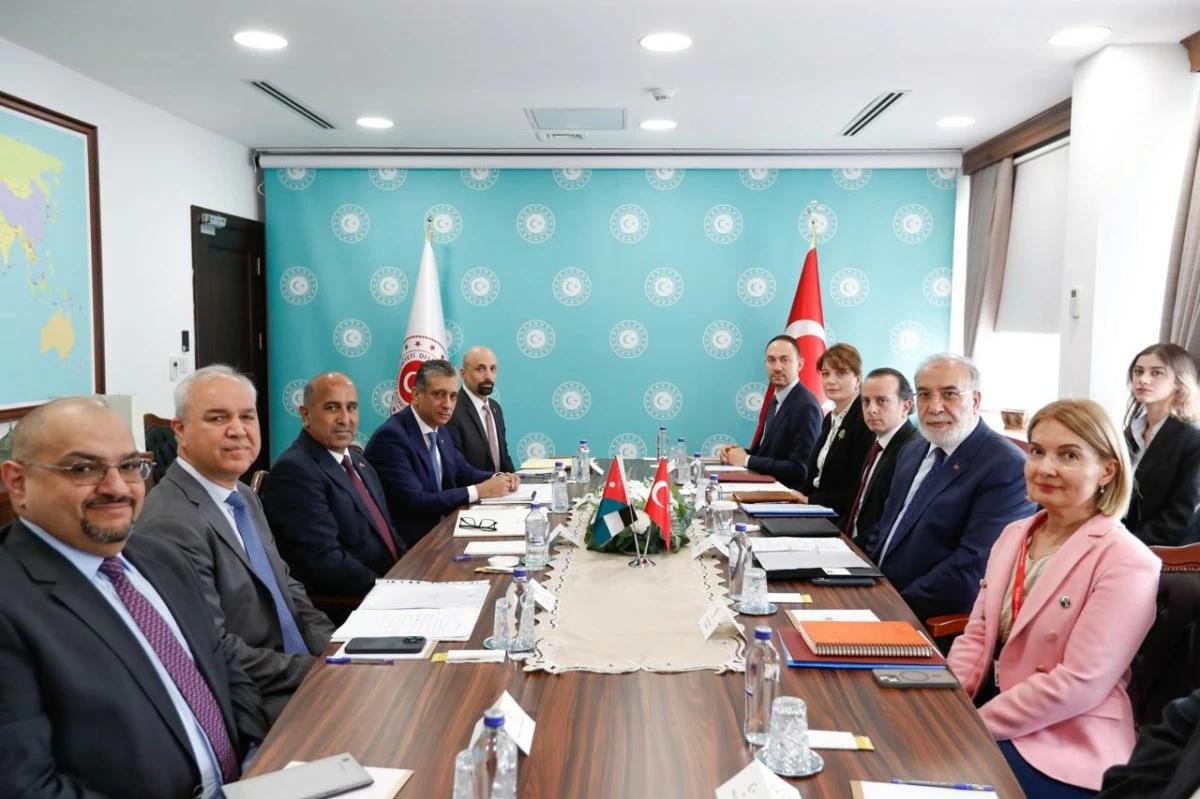
Secretary General of the Water Authority, Sufian Al-Batayneh, signed a consulting services agreement worth 3.3 million euros with Matthias Mellich, representative of the consulting consortium and Fichtner Water & Transportation GmbH, a German company and its Jordanian partner, to implement services within the program "Improving Energy Efficiency through Electricity Generation from Biogas in Wastewater Treatment Plants".
This is within the efforts of the Ministry of Water and Irrigation and the Jordanian Water Authority to enhance energy efficiency, reduce operating costs, and promote sustainability in the water sector.
The program is funded through approximately 20 million euros within the bilateral German cooperation, in addition to a 10 million euro grant from the European Union as co-financing, and it falls under the Results-Based Financing - Phase II program supported by the German Reconstruction Bank (KfW), including activities within the first package.
The program is one of the important initiatives in the Jordanian water sector, as it includes innovative and sustainable solutions that combine infrastructure development, energy efficiency improvement, reuse of treated water, and the use of biogas resulting from wastewater treatment processes to generate electricity.
It also aims to improve resource management efficiency, increase the use of clean and renewable energy sources, enhance cost recovery, and enable the safe and beneficial reuse of treated water for irrigation purposes, alongside reducing environmental impacts and greenhouse gas emissions.
The program also enhances private sector participation and leverages its specialized technical and operational expertise, contributing to the long-term sustainability, efficiency, and performance of water and sanitation systems.
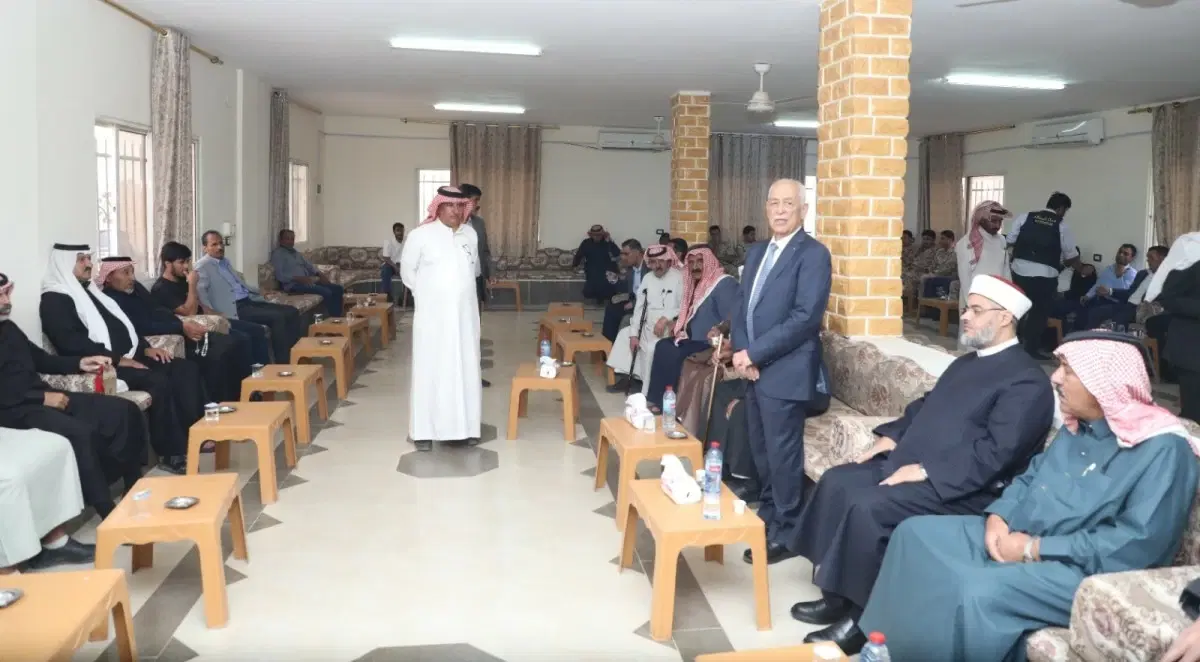
The signing was attended by Laura Schnittler, Head of Development Cooperation at the German Embassy, Nareen Haddadin from the KfW office in Jordan, Paolo Zingali, Head of Cooperation at the European Union Mission to Jordan, Omar Abu Eid, Director of the Energy, Environment, and Climate Change Program, along with the Director of Planning and Administration, Engineer Sultan Al-Mashabqa, the Program Director, Engineer Medin Al-Rababah, and a number of senior officials and representatives of participating agencies and institutions.
According to the project implementation model, the contractor to whom the works contract will be awarded will be responsible for executing the works and operating and maintaining the systems for 15 years, linking design, implementation, operational efficiency, and sustainable long-term performance.
The program aligns with the national priorities of the Kingdom in enhancing water security, achieving sustainable development, improving resource use efficiency, and expanding the reuse of treated water, supporting the public-private partnership approach affirmed by the second executive program of the Economic Modernization Vision for the years 2026-2029.
The program will support the rehabilitation of wastewater treatment plants in West Jerash, East Jerash, and Kafranja, alongside the development of sludge treatment facilities and biogas production.
The project aims to utilize biogas resulting from wastewater treatment processes to produce clean electricity within treatment plants, contributing to reducing dependence on conventional electricity sources, lowering energy and operational costs, and enhancing the overall efficiency and sustainability of wastewater treatment facilities.
At the same time, the development and improvement of treated water quality will support its safe reuse for irrigation purposes, enhancing water source conservation, providing an additional water resource for irrigation, and reducing pressure on conventional water sources.
This program reflects the continued cooperation and partnership between Jordan, Germany, and the European Union in supporting efforts to modernize the water sector, improve energy efficiency, expand the reuse of treated water, and achieve long-term sustainability for the water sector in the Kingdom, in light of the continuous support provided by the German Reconstruction Bank (KfW) and the European Union for strategic priority programs and projects in the Jordanian water sector.