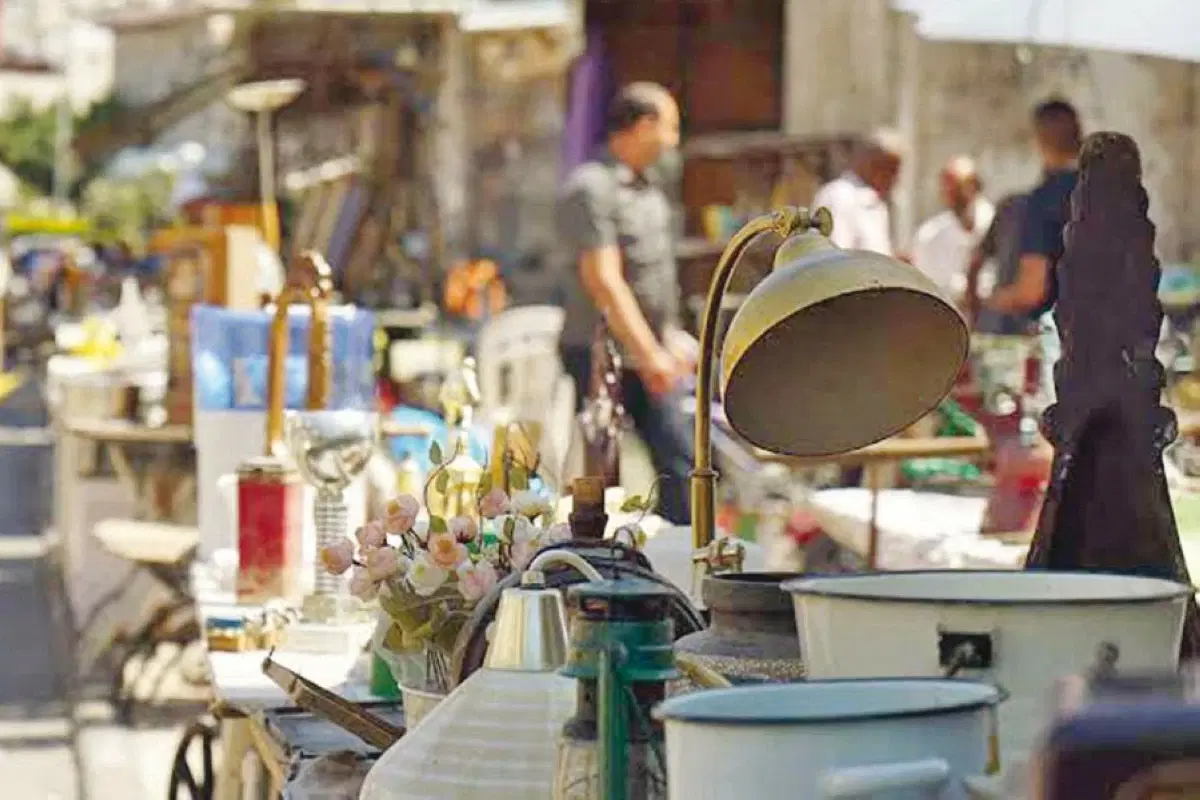
Used goods.. lower-cost alternatives to achieve a balance between living requirements and financial capabilities
Amman4 min read
Share
Consumers are turning to buying used goods instead of new ones in light of rising living costs and increasing financial burdens, in search of prices that suit their incomes and help them meet their needs at the lowest possible cost, at a time when this option is no longer limited to those with limited income, but has become a way for other groups to save money and manage expenses.
Purchasing options vary between electronic devices, smartphones, home furniture, cars, and clothing, benefiting from price differences and the spread of social media platforms and electronic applications that have facilitated product display, price comparison, and direct communication between the seller and the buyer.
For some families, buying used has become a way to secure their needs without draining the monthly budget or resorting to installments and borrowing, while others see it as an opportunity to obtain good products at lower prices.
The story of the Abu Hisham family reflects this trend; with multiple household needs and limited income, the trade-off between buying a new item and a used one becomes part of managing monthly expenses. The family may choose to buy a piece of used furniture in good condition to save the remaining amount for food expenses, bills, and children's needs.
In such cases, the decision is not necessarily linked only to the inability to buy new, but to an attempt to distribute income according to priorities and avoid spending on purchases for which suitable, lower-cost alternatives can be secured.
Economic expert Ibrahim Bashayreh attributes the increased demand for used goods to economic, social, and technological factors, most notably the rise in prices of new goods at rates exceeding wage growth, which pushes consumers to look for alternatives that help them maintain their standard of living.
He adds that the spread of electronic platforms has facilitated direct buying and selling operations and reduced costs associated with mediation, in addition to changing consumer culture and the decline of the negative view towards used items, especially among the youth.
Bashayreh believes that this trend combines declining purchasing power with a shift in consumer behavior, as living pressures push low- and middle-income earners to look for options that fit their budgets, while others view used items as a means of rationalizing spending and sustainable consumption.
It is noted that purchasing operations are not limited to a specific type of goods, as the options include electronic devices, cars, home furniture, and clothing, according to the nature of the product, its shelf life, and the price difference between it and its new counterpart.
Bashayreh explains that buying used electronic devices in good condition allows for obtaining previous versions at lower prices, while the demand for used cars is linked to the high prices of new vehicles and the depreciation that may occur after purchasing them. As for furniture and home appliances, they allow families to secure their basic needs at a lower cost, while children's clothing constitutes a suitable option for some families, given the short duration of their use in many cases.
According to Bashayreh, the benefits of the used market do not stop at saving the price difference, but extend to giving families more space to manage their budgets, as reducing spending on large purchases, such as furniture and home appliances, allows for directing part of the income towards food, education, and basic services.
The market also allows families to sell their belongings that they no longer need and convert them into cash that helps them cover expenses, and buying used may reduce the need for some families to borrow or pay in installments to secure their needs, thereby alleviating future financial burdens.
However, achieving actual savings requires verifying the condition of the item, its quality, and the cost of its repair and maintenance, especially in electrical and electronic appliances and cars, as a low purchase price does not necessarily mean a low total cost if the product requires frequent repairs.
Bashayreh expects the trend towards buying used to continue and transform into a more stable consumption pattern, in light of pressures on family budgets, increased reliance on electronic platforms, and the acceptance of this type of purchasing by the youth.
He points out that providing technical inspection, warranty, maintenance, and exchange services can enhance consumer confidence and give the market a greater degree of regulation.
Between living pressures and changing consumer culture, the expansion of the used market reflects a shift in how the consumer deals with their needs and priorities; the question is no longer limited to the ability to buy a new item, but has become related to the extent of the need for it, the quality of available alternatives, and the ability of each option to achieve a balance between living requirements and financial capabilities.