Two years of work... Expansion in public transportation and development of roads and airports to support the development of the governorates
Amman9 min read
Share
Over the past two years, the transport and logistics sector has seen the implementation of projects and programs to expand inter-provincial public transport, develop roads and airports, regulate transport services through smart applications, and modernize the cargo fleet and its operational systems, alongside the completion of studies and necessary procedures for new projects linking production areas to ports and supporting trade movement.
These interventions were distributed between services that have entered operation, completed maintenance and rehabilitation works, and projects whose requirements are being completed, within a path that aims to improve the mobility of citizens and their access to education, health services, and employment, and to increase the efficiency of cargo transport and logistics services in the provinces.
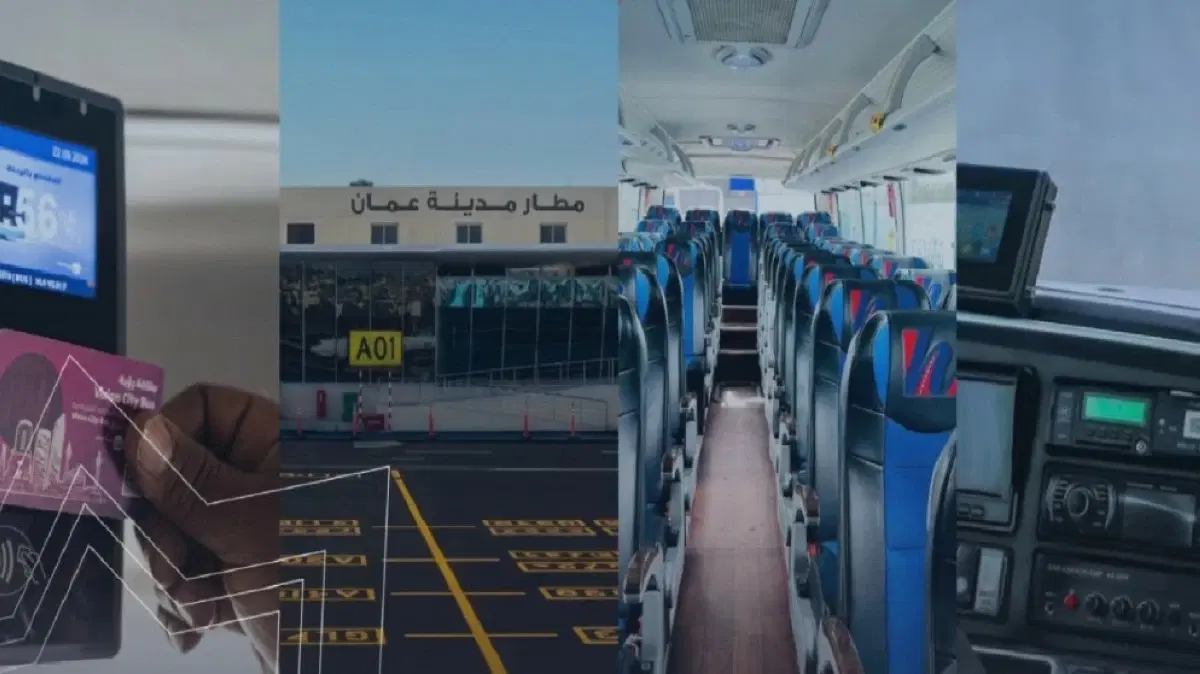
In the file of regular inter-provincial public transport, 11 lines were operated within 19 routes connecting 10 provinces, using 340 buses equipped with smart transport systems, and the project recorded about 2.7 million passengers during the period from June 21, 2025, to August 31, 2026, according to project data.
During the same period, the project buses completed about 230,000 trips, covering nearly 12 million kilometers, while government support for the project amounted to 5 million dinars, and its system included the establishment of companies to regulate roles, the provision of more than 15 points for card charging, in addition to nine routes serving the King Hussein Medical City from the provinces.
The project's scope in its first phase includes five routes with 142 buses, connecting Amman to Irbid, Jerash, Salt, Karak, and Al-Qasr in Karak province, while the second phase includes nine routes with 210 buses: Amman-Ma'an, Amman-Tafilah, Amman-Ajlun, Jerash-Irbid, Jerash-Mafraq, Zarqa-Mafraq, Irbid-Zarqa, Karak-Zarqa, and Karak-Aqaba, and this number includes 30 buses that the Cabinet approved to add to the Karak-Zarqa and Karak-Aqaba lines, 15 buses for each line.
In the rapid transit bus system, the cumulative number of passengers on Amman-Zarqa routes exceeded 17.2 million since the start of operations on May 15, 2024, while the necessary procedures are being completed to study the connection with the Hashemite University, alongside the reinforcement of the most used lines.
The connection services extended to the Madaba-Amman route, which started operation on April 15, 2025, and recorded 576,832 passengers, and the Sweileh-Al-Balqa Applied University route in Salt, which started operation on March 13, 2026, and recorded a total of 432,201 passengers since the start of operation until September 2, 2026, of whom 116,278 passengers benefited from the fare integration service, according to data from the Greater Amman Municipality.
The cumulative total of routes included in the system data amounted to about 76.6 million passengers since the start of operation of each, including routes within Amman that started operation in July 2021.
Regarding facilitating the use of public transport, the Amman Municipality activated in July 2025 the trip planning service via Google Maps for rapid transit bus and Amman Bus routes, and the service allows viewing lines, departure times, stations, and options for connecting between routes, which helps citizens and visitors determine their trips and appropriate means of transport before departure.
The system development works included the entry of 15 electric buses into service, and the reinforcement of fare integration between Amman Bus and the rapid transit bus, which allows the use of more than one line at a reduced fare, and Amman Bus plays a role in transporting passengers from neighborhoods and residential areas to the main stations of the rapid transit bus.
In the field of transport through smart applications, the procedures included developing regulatory frameworks, canceling the numerical ceiling for companies allowed to be licensed, and starting licensing procedures for 12 new companies, while three companies were licensed during the period from the beginning of January to the first of September 2026, while the number of service providers registered in the sector data amounted to 18,136 during the same period.
These procedures aim to regulate the market, expand the base of companies and service providers, enhance competition, and improve the level of services provided to citizens, while distinguishing between companies that have completed licensing and those that are still within the procedures.
In the field of roads and infrastructure in the provinces, the first phase of the maintenance and expansion of the Kafraanja-Wadi Al-Touhain road in Ajloun province was completed, which connects Ajloun to Kafraanja, reaching the Aghwar, and serves the tourist and agricultural movement in the region.
The project included the submission of two tenders in two phases to address narrow sites, curves, cracks, and rock collapses, and the implementation of cutting, filling, and asphalt layers, and equipping the road with road safety and protection elements.
The work also included updating studies and designs and preparing tender documents for stages of the Irbid ring road with a total length of 34.6 kilometers, and sections of the Salt ring road with a length of approximately nine kilometers, with a study of the connection to the Amman-Salt road and the intersection of Wadi Shu'ayb.
Project data indicates the referral of the studies tender and the issuance of the commencement order, and the receipt of the preliminary and initial design stages, in preparation for the subsequent stages.
In the management of the road network, a specialized unit was established to develop and implement the road assets management system, and a database was created to help assess the condition of roads, determine maintenance needs and timing and cost according to technical standards, and the work included surveying about two thousand kilometers using specialized devices, and surveying paved roads in the Kingdom by satellite technology with a length of 10,603 kilometers.
Based on the results of the surveys, lists of maintenance priorities were prepared according to the province and road classification, and were sent to the directorates of public works to be included in budget programs and to inform the provincial councils, and the list of priorities was adopted in May 2025, while work continues to complete the purchase of systems, devices, and equipment and to train cadres to sustain the survey and evaluation.
In air transport, the work included the development of Amman City Airport, formerly "Marka" Amman Civil Airport, and its rehabilitation for commercial operation, through an infrastructure, facilities, and systems program that addresses the air side, passenger halls, security and operational systems, and fire and rescue and emergency facilities. The cost of the rehabilitation and development program is about 15 million dinars, according to project data.
During the period from January 1 to July 31, 2026, the airport recorded 161,493 passengers on commercial flights, out of 166,538 passengers on various types of commercial, private, training, and other flights.
The modernization project includes the establishment of baggage handling and inspection systems with a capacity to serve three million passengers annually, including ten departure counters, two self-service baggage drop points, and an automated inspection system with a target capacity of one thousand bags per hour, with the aim of inspecting all baggage.
The airport development works also include the rehabilitation of arrival and departure halls, movement routes, and supporting services, with continuous operation during improvement, and the treatment and filling of the valley adjacent to runway 24 from the north side, as part of the air side rehabilitation package and raising its operational readiness.
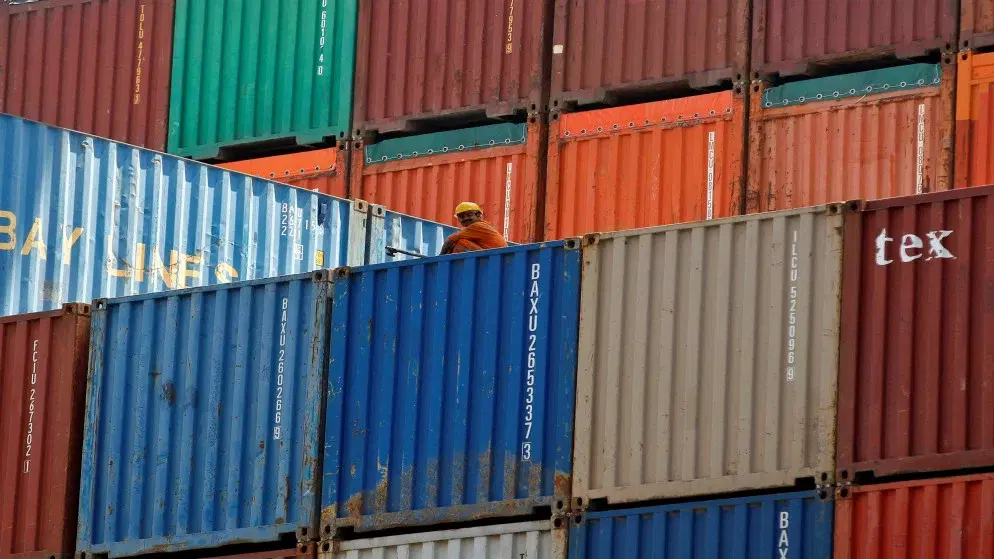
In cargo transport, the government adopted a replacement modernization program targeting 8,313 locomotives with an operational life of 20 years or more, over two years, and the incentives include allowing the import of locomotives not exceeding five years of age prior to clearance, in exchange for writing off a registered, operational, and licensed old locomotive or re-exporting it, with exemptions from general sales tax and registration and licensing fees according to the adopted mechanism.
Procedures were also approved for updating single container transport vehicles and replacing them with newer locomotives or transport vehicles, and the program aims to renew the cargo transport fleet, reduce breakdowns and maintenance and operational costs, and help the Jordanian carrier meet the technical and operational requirements of regional markets.
In Aqaba, an electronic system was developed and operated to control the movement of trucks, including gates and technical systems for information exchange and monitoring entry and exit, with training of the concerned cadres on its operation and management, enhancing the efficiency of logistics and port services in Aqaba and the fluidity of truck movement and supply chains.
According to project data, the daily operational capacity increased from about two thousand trucks to more than 3,500 trucks per day, and exceeds 4,500 trucks on peak days, and the number of Jordanian trucks registered in the system during the period from March 1 to August 31, 2026, amounted to about 31,083 trucks, with continued monitoring of performance and development of integration and data exchange between entities linked to port and logistics operations.
Maritime interventions included updating the equipment of the coastal station in Aqaba through the supply, installation, and operation of an integrated system, and the establishment of an "AIS" station, an air-sea monitoring station, and an integration system.
Regarding strategic projects, the final requirements and procedures necessary for the start of the implementation of the Aqaba railway project, dedicated to transport and cargo shipping and linking phosphate and potash production areas to the southern industrial port, with an estimated cost of about 2.3 billion dollars, are being completed.
The project consists of a phosphate line with a length of about 160 kilometers linking the Shidiya mine to the port, and a potash line with a length of about 199 kilometers extending from the factories of Ghor Al-Safi towards Wadi Al-Yataam to the port. The two lines meet in Wadi Al-Yataam and are completed with a common route, with loading and unloading stations and the necessary signaling, communication, cars, and locomotives for operation.
The project aims to increase the efficiency of cargo transportation and handling, reduce costs, support the competitiveness of the phosphate and potash sectors and national exports, and reduce the movement of heavy trucks and pressure on roads. According to the estimated schedule in the project data, implementation works are expected to begin on January 1, 2027, and construction is expected to be completed and start operation at the beginning of 2032.
The next phase will continue to complete projects according to their status; from expanding public transportation and studying the link with Al-Hashemite University, to following up on updating the shipping fleet, completing circular road studies and maintenance surveys, and preparing to implement the Aqaba railway. These paths combine improving the daily service for citizens and developing the infrastructure that trade, production, and development in the governorates depend on.