The European Bank for Development Opens New Office in Jordan and Looks to Double Investments
Amman3 min read
Share
The European Bank for Reconstruction and Development opened its new office in Amman, as its cumulative investments in Jordan reached 2.468 billion euros through 91 projects since it began operations in the Kingdom in 2012, while the value of its current project portfolio was 1.16 billion euros by the end of August last year.
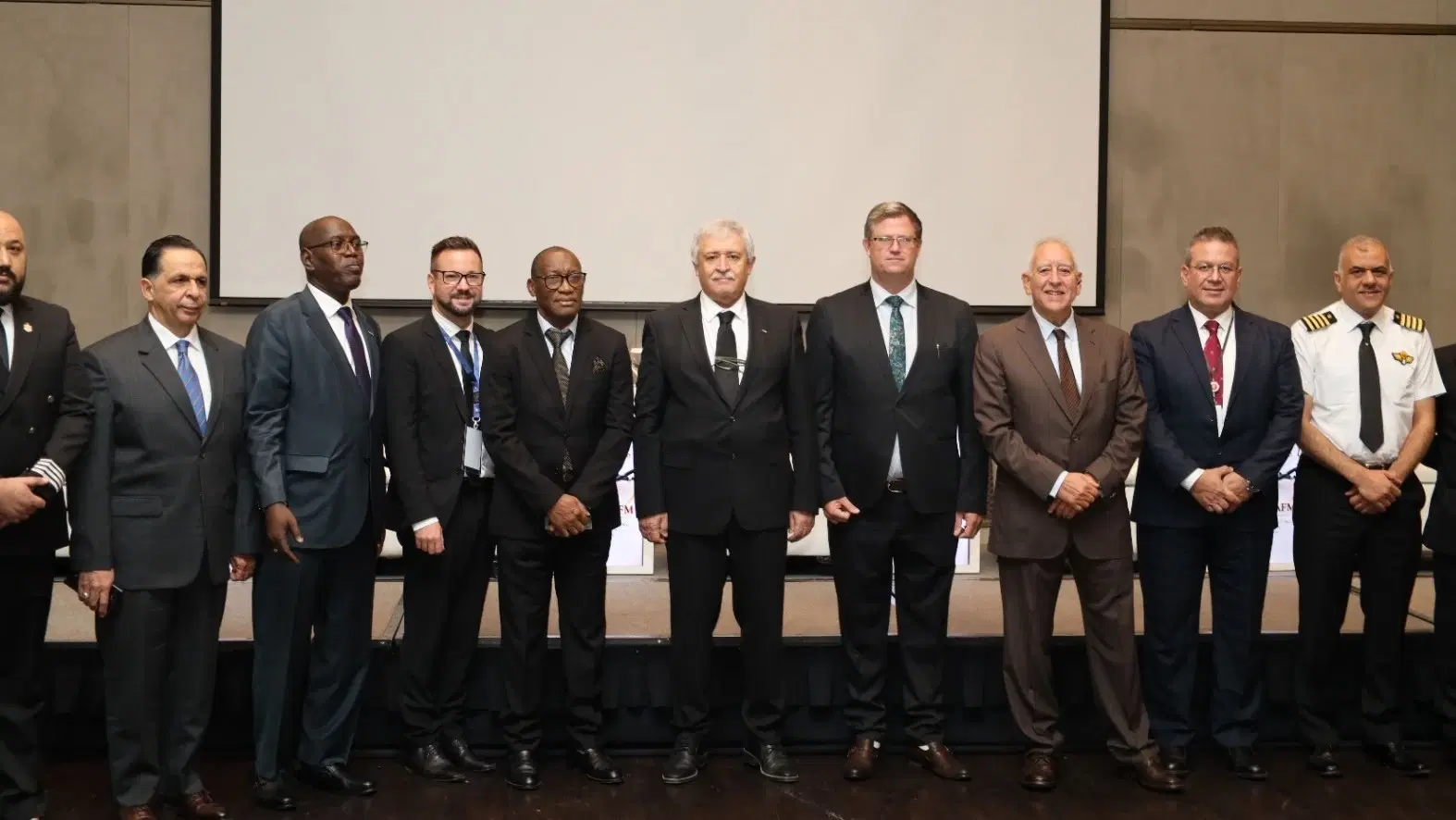
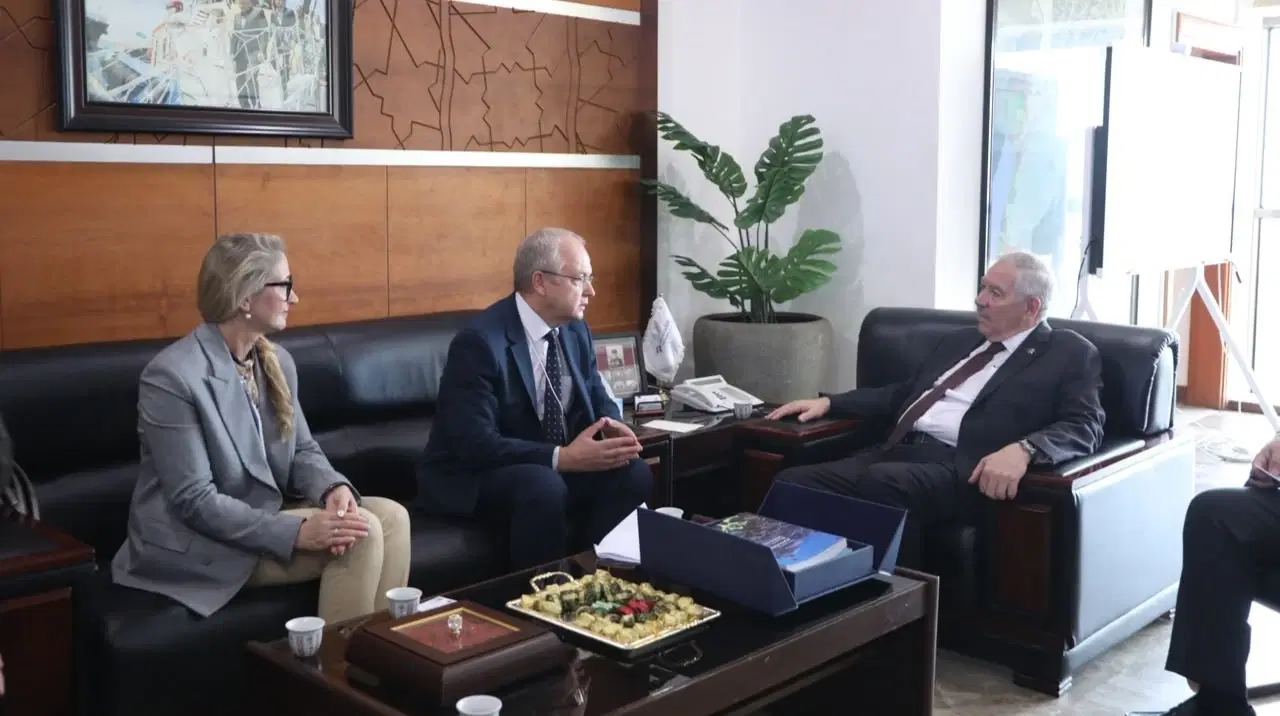
The opening of the new European Bank office in Abdali was attended by the Minister of Planning and International Cooperation Zeina Toukan, the Administrative Director of the Bank for the South and East Mediterranean region Mark Davis, and the Regional Director of the Bank for the East Mediterranean region Hashim Abdul Hakim.
The opening of the new office in Amman coincides with a new phase of the Bank's operations in the East Mediterranean region, as Abdul Hakim assumed the position of Regional Director of the Bank for the East Mediterranean region at the beginning of September, taking over the leadership of its operations in Jordan, Iraq, Lebanon, the West Bank, and the Gaza Strip.
Abdul Hakim told Al-Mamlaka on the sidelines of the office opening that the Bank's investments in Jordan this year are expected to register a strong level, driven by a number of projects under implementation and preparation, in various sectors.
He added that the Bank is currently working on a number of projects and expects to invest in about 10 projects this year, noting that the Bank looks forward to doubling its business and investments in Jordan next year.
Regarding the National Water Carrier project, Abdul Hakim confirmed that the Bank is part of the coalition of funding parties for the project and looks forward to completing the necessary procedures and concluding the agreement in a timely manner.
He added that the Bank is also focusing on developing the capital market and expanding support for bond issuances, not limiting these instruments to the banking sector, but including different sectors of the private sector.
He pointed out that bond issuances allow companies and institutions to access larger funding volumes, in addition to attracting financiers and investors from outside Jordan.
On the Bank's support for green and blue bond issuances, Abdul Hakim said that the Bank has already worked on these instruments in Jordan and seeks in the coming phase to move to larger issuances and expand the capital market.
He explained that green bonds are linked to directing the funds raised to specific projects with environmental objectives, including renewable energy and energy efficiency projects, so that the proceeds of the issuance are not used outside the specified fields.
As for blue bonds, he explained that they are linked to projects related to water and seas, including water and port projects, and operate on the same principle of allocating the proceeds of the financing to qualified projects within this type of bond.
The European Bank for Reconstruction and Development began investing in Jordan in 2012, and its strategy for the Kingdom focuses on enhancing the role of the private sector, supporting the green transition, and developing sustainable infrastructure, contributing to building a more competitive and resilient economy.