Palestinian lawyers call for international action to support the International Criminal Court following Washington sanctions
Agencies4 min read
Share
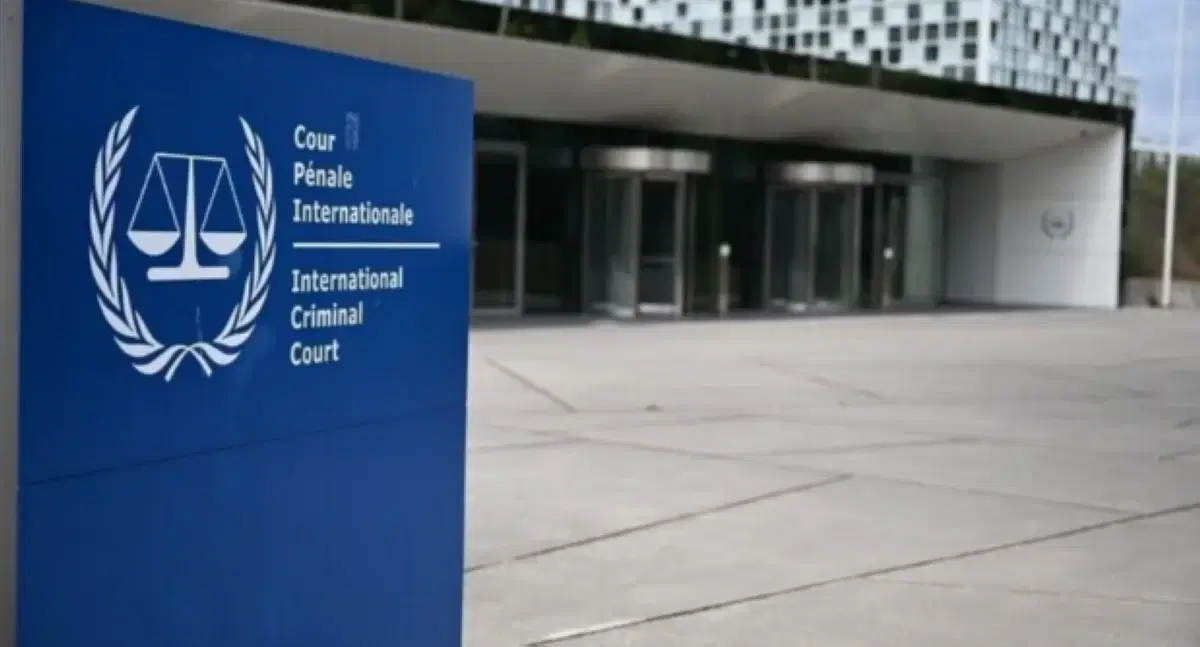
On Sunday, the Palestinian Bar Association called on unions, syndicates, and human rights institutions to defend the independence of international justice and reject any pressure that could undermine the work of the international justice system.
This came in a statement in response to US sanctions on the International Criminal Court, in which it confirmed that protecting the court "is a responsibility related to protecting the international legal system."
The Bar Association called on international lawyers' unions and syndicates, legal and human rights institutions to "take clear professional positions, and intensify joint coordination in defense of the independence of international justice, and in rejection of any pressure that could undermine the work of the international justice system."
It emphasized that "protecting the International Criminal Court is not a political issue that concerns a particular country or people, but it is a responsibility related to protecting the international legal system, safeguarding the rights of victims, and establishing the principle that everyone is subject to the law."
The Palestinian Bar Association clarified that it is closely monitoring "the recent US measures to impose sanctions on the International Criminal Court as an international judicial institution."
It considered that the measures target the work of the court and its ability to carry out its judicial mandate, and raise fundamental questions about respect for the independence of international justice and the status of justice in the international legal system.
It believed that the seriousness of the US measure "is not limited to its direct effects on the court, its staff, and the parties cooperating with it, but extends to the principles on which the international legal system is based, primarily the independence of the judiciary, equality before the law, and the obligation to hold perpetrators of serious international crimes accountable in accordance with the applicable legal rules."
The Bar Association said that any measure that could hinder the court's ability to perform its duties or affect its independence requires careful legal assessment, in light of the provisions of the Rome Statute and the relevant rules of international law.
It stressed that the independence of international justice "should not be hostage to political considerations," expressing its rejection of "any measures aimed at pressuring the International Criminal Court or hindering its ability to perform its mandate, and affirming the need to protect its institutional and judicial independence."
It emphasized "the need to adhere to the principle of non-impunity, and the necessity of applying the rules of international law to all persons without discrimination, while respecting jurisdictional, legal procedures, and established guarantees."
The Bar Association emphasized that the issue of justice for the Palestinian people will remain linked to the need to guarantee the protection of the legal accountability process and prevent impunity, and to respect the established rights of the Palestinian people guaranteed by international charters.
On Friday, US Secretary of State Marco Rubio announced Washington's intention to impose sanctions on the International Criminal Court, following the victory of its former judge Navi Pillay with the Nobel Peace Prize for 2026.
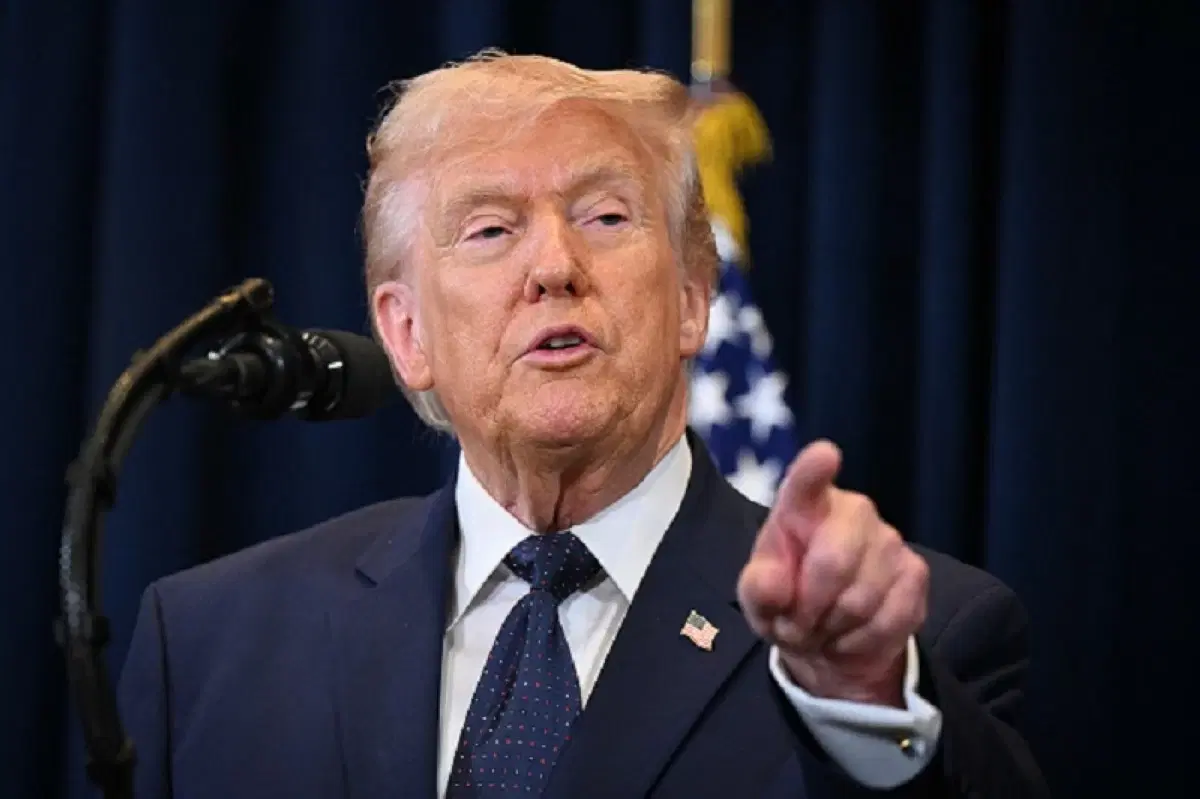
Rubio said that US President Donald Trump would not allow the court to prosecute American citizens.
The US move against the court comes in response to the arrest warrants issued by the court in November 2024 against Israeli Prime Minister Benjamin Netanyahu and former Israeli Defense Minister Yoav Gallant, on charges of war crimes in the Gaza Strip.
Washington has not recognized the warrants, and had previously imposed sanctions on judges and prosecutors in the court, including its president Tomoko Akane, in August.
The new sanctions are set to take effect after 6 months, a period that European countries believe could be used to engage in dialogue with Washington and discuss the necessary measures to ensure the court continues to perform its judicial mandate.