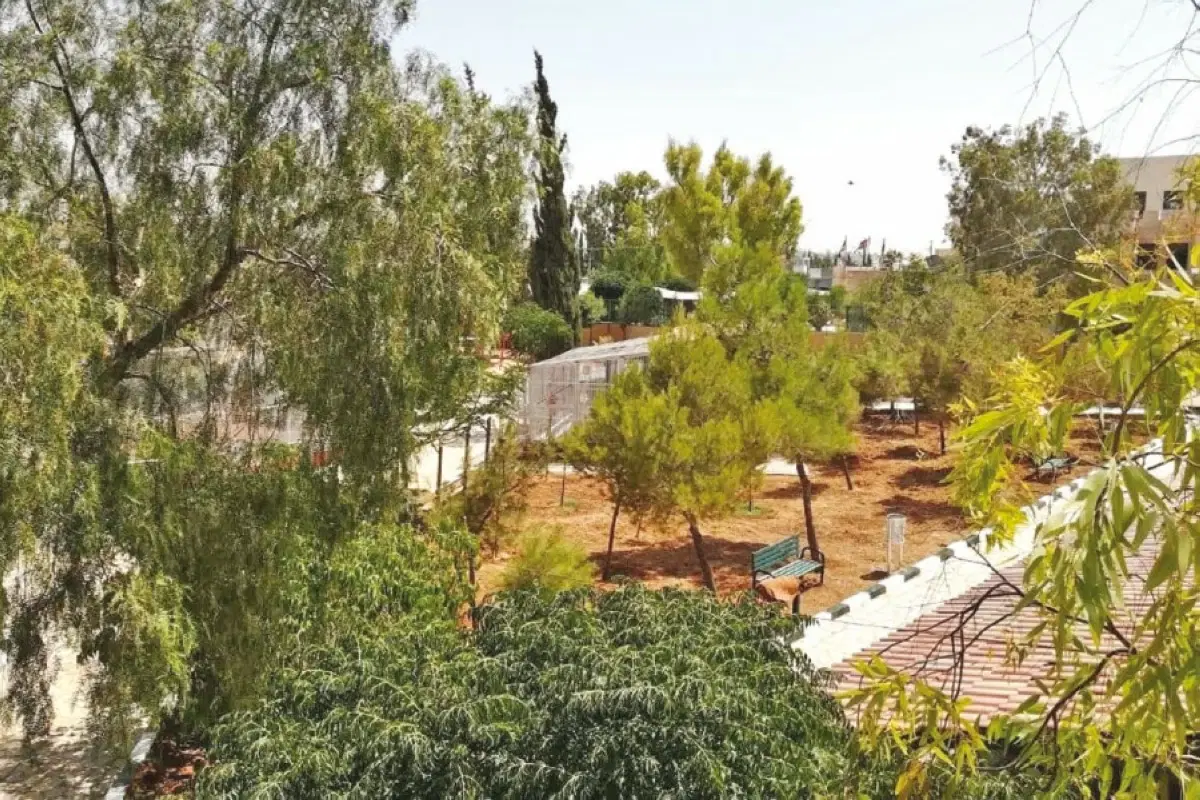
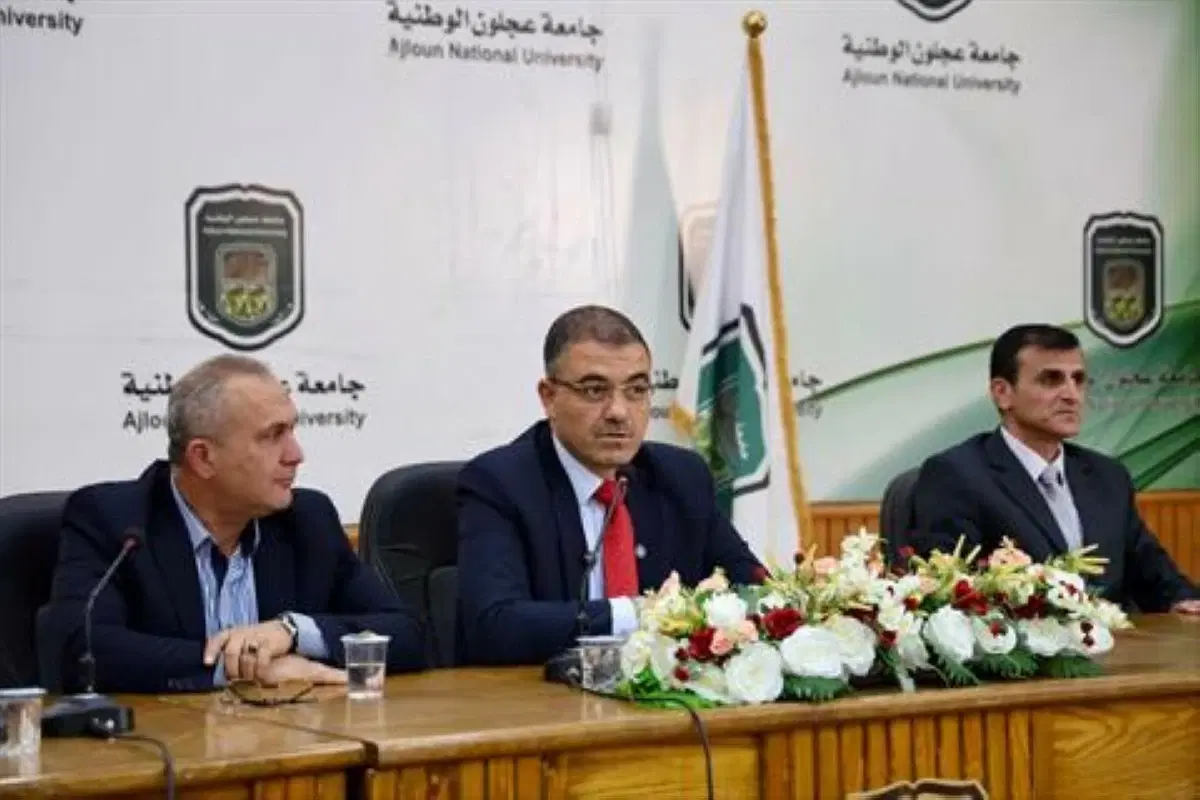
Abu Dia said that modern cities face an increasing challenge in achieving a balance between the requirements of movement, services, and infrastructure on the one hand, and the preservation of green spaces and trees on the other, noting that the importance of this balance is multiplied in dry and semi-dry cities like Amman, in light of rising temperatures and increasing urban pressure and vehicles.
Regarding trees planted on sidewalks with a width of less than two meters, he explained that the width of the sidewalk alone should not be a sufficient criterion for deciding to remove a tree, pointing out the need to consider its actual impact on pedestrian traffic, the number of sidewalk users, and the possibility of addressing the problem with pruning or engineering and agricultural solutions.
He pointed out that trees are no longer just an aesthetic element, but have become part of the green infrastructure, due to the shade they provide, the reduction of surface temperatures, and their contribution to reducing the urban heat island phenomenon, improving air quality, and providing habitats for living organisms, in addition to their role in making the public space more comfortable and encouraging walking.
He added that a shaded sidewalk is more suitable for pedestrians, questioning the usefulness of uprooting trees if it leads to the loss of shade, and what may result from the frustration of pedestrians and greater reliance on cars, which reflects on the traffic crisis.
Abu Dia pointed out that addressing the obstruction of branches to pedestrian traffic or blocking lighting and signals can start with thoughtful technical pruning, stressing that excessive pruning can weaken trees and make them more susceptible to disease and drought, calling for the training of specialized teams to manage urban trees.
He pointed out that large and mature trees represent an irreplaceable environmental value, as they provide more shade, store more carbon, and support biodiversity, in addition to their association with the memory of the place and the identity of streets and neighborhoods. He explained that removing a tree may be justified in specific cases, such as when it is dead or diseased, or poses a real danger to public safety, or when a safe passage cannot be provided by other means, provided that the decision is based on a clear and documented technical assessment, along with studying the planting of a suitable replacement tree. He called for the establishment of a comprehensive policy for managing urban trees in Amman, and the creation of a database containing the locations of trees, their types, approximate ages, and health status, and the use of geographic information systems to determine afforestation and maintenance needs.
He also suggested the formation of a multi-disciplinary technical committee that includes concerned parties, to ensure the comprehensive study of tree removal cases, along with the redesign of sidewalks when necessary, and the redistribution of their elements in a way that preserves trees and provides a clear passage for pedestrians.
Abu Dia emphasized that Amman needs more trees, not fewer, especially with the climate heading towards more heat and drought, stressing that protecting trees is not a cosmetic luxury, but part of protecting the urban environment and improving the quality of life.
He concluded by saying that the rule that should govern the treatment of urban trees is: preservation, then pruning, then uprooting when necessary, stressing that the tree shading a street today represents a long-term environmental and social investment, and it may take decades to compensate for it.