Prices of a tin of olive oil range between 95 and 120 dinars
Delaying harvesting by 10 days to two weeks improves oil percentage
Follow Al Rai

Al-Najdawi: The season is promising.. and expectations for achieving self-sufficiency
Prices of a tin of olive oil range between 95 and 120 dinars
Delaying harvesting by 10 days to two weeks improves oil percentage
Calls to buy olive oil from reliable sources to avoid fraud
25 thousand tons is the local market's need for olive oil
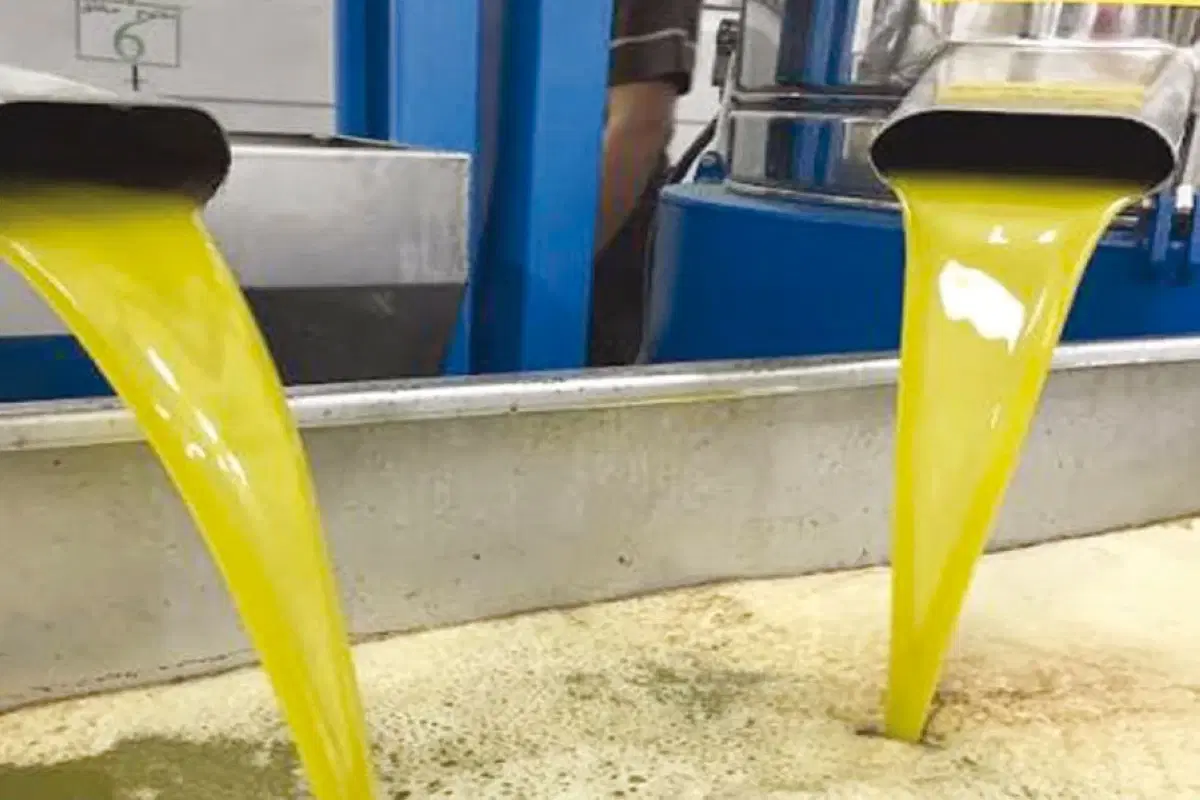
The head of the Olive Press Owners and Jordanian Oil Producers Syndicate, Tayseer Al-Najdawi, revealed a noticeable slowdown in the turnout at olive presses with the start of the olive pressing season, coinciding with a decrease in the oil percentage in the fruits following the monitoring of initial pressing results in many presses.
In a statement to "Al-Rai", Al-Najdawi indicated that the season began gradually, but the decrease in the oil percentage in the fruits during the current period is largely related to their failure to reach the appropriate stage of maturity, which requires giving them more time before starting to harvest for a period ranging from ten days to two weeks, as this would help complete the ripening of the fruits and improve the percentage of oil extracted from them.
Al-Najdawi pointed out that the degree of olive fruit maturity varies from one region to another depending on geographical and climatic conditions, noting that the gradual change in the color of the fruits from green to purple and then black is considered one of the indicators that farmers use to monitor the stages of maturity, while taking into account the differences in varieties and their ripening dates.
He explained that the presses have begun receiving crops from areas where the fruits have already ripened, including areas that witnessed early ripening for some varieties, while other areas still need more time before starting the harvest appropriately.
He emphasized that the difference in ripening dates between regions makes it necessary to deal with the season according to the nature of each region and the condition of the fruits in it, rather than moving towards harvesting on a unified date, stressing the importance of achieving a balance between the timing of the harvest and the increase in oil percentage and quality.
Regarding prices, Al-Najdawi expected that the prices of a tin of olive oil during the current season would range between 95 and 120 dinars, pointing out that the final prices are affected by several factors, most notably the volume of supply and demand in the market, in addition to the quality and specifications of the oil.
He indicated that price movement remains linked to the developments of the season and the volume of production, noting that the abundance and quality of the crop contribute to determining the price levels that reach the consumer.
Al-Najdawi expressed his optimism about the current season, describing it as a promising season, and expecting that production will contribute to meeting the needs of the local market and achieving self-sufficiency, in addition to providing a good surplus of olive oil.
He emphasized the importance of reassuring consumers about the availability of the local product, in light of the positive expectations for the season, noting that the development of production over the coming weeks will contribute to forming a clearer picture of the size of the crop and the quantities of oil available in the market.
For his part, one of the olive press owners, Mahmoud Al-Omari, confirmed that the season also began at a slow pace, calling on farmers not to rush to harvest the crop, and to consider the condition of the fruits and their degree of maturity before transporting them to the presses, due to its importance in benefiting from the crop and improving its yield.
He also urged consumers to buy olive oil from reliable and well-known sources, and to deal with presses and entities that have a good reputation, to avoid being exposed to fraud or buying products that do not meet the required specifications.
The local market's need for olive oil is estimated at about "25" thousand tons.
There are 20 million olive trees in Jordan, 10 percent of whose production is supplied to a group of pickling factories, and the rest is pressed in 138 olive presses distributed throughout all regions of the Kingdom.
Investment in the olive press sector is estimated at 200 million dinars, and the olive season constitutes a source of income and provides direct and indirect job opportunities for thousands of Jordanian families, whose members work in supporting sectors such as farm management and supplies, harvesting, transportation, pressing, packaging, and distribution.
Know more about this story?Send us a tip
Ask about this report — answers stay grounded in its text.