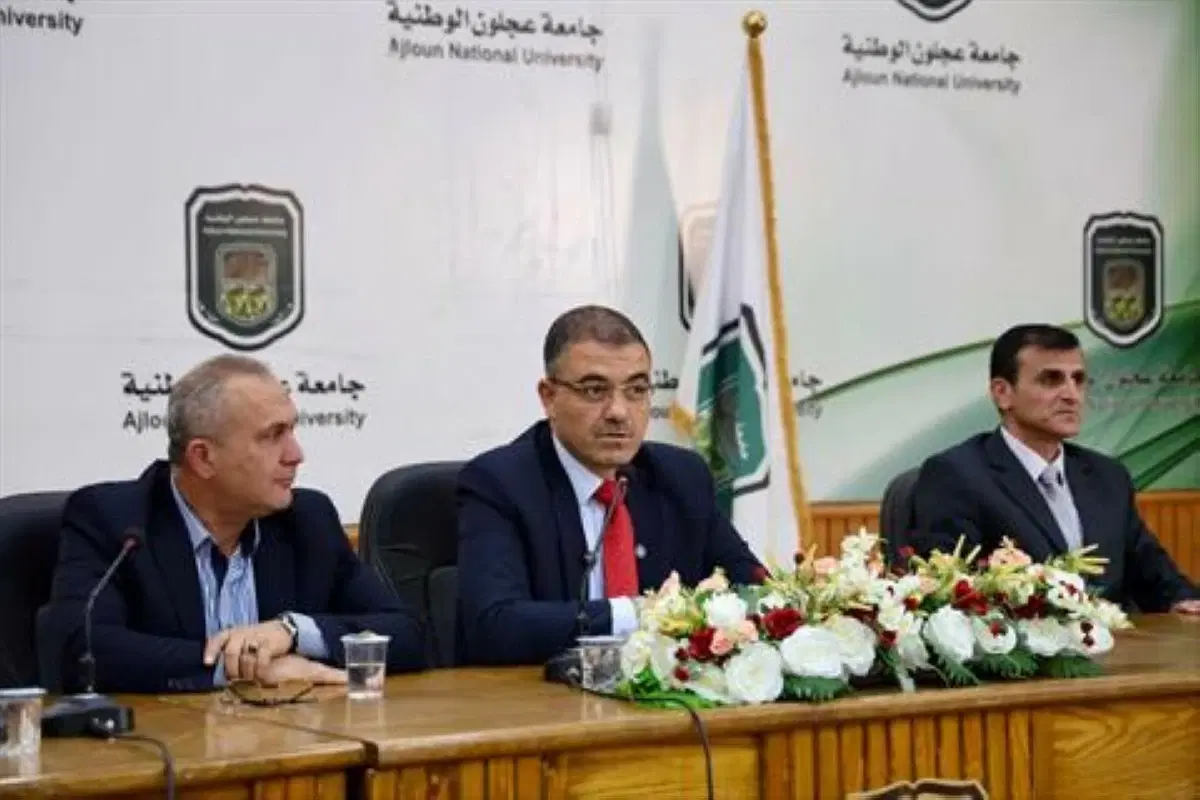
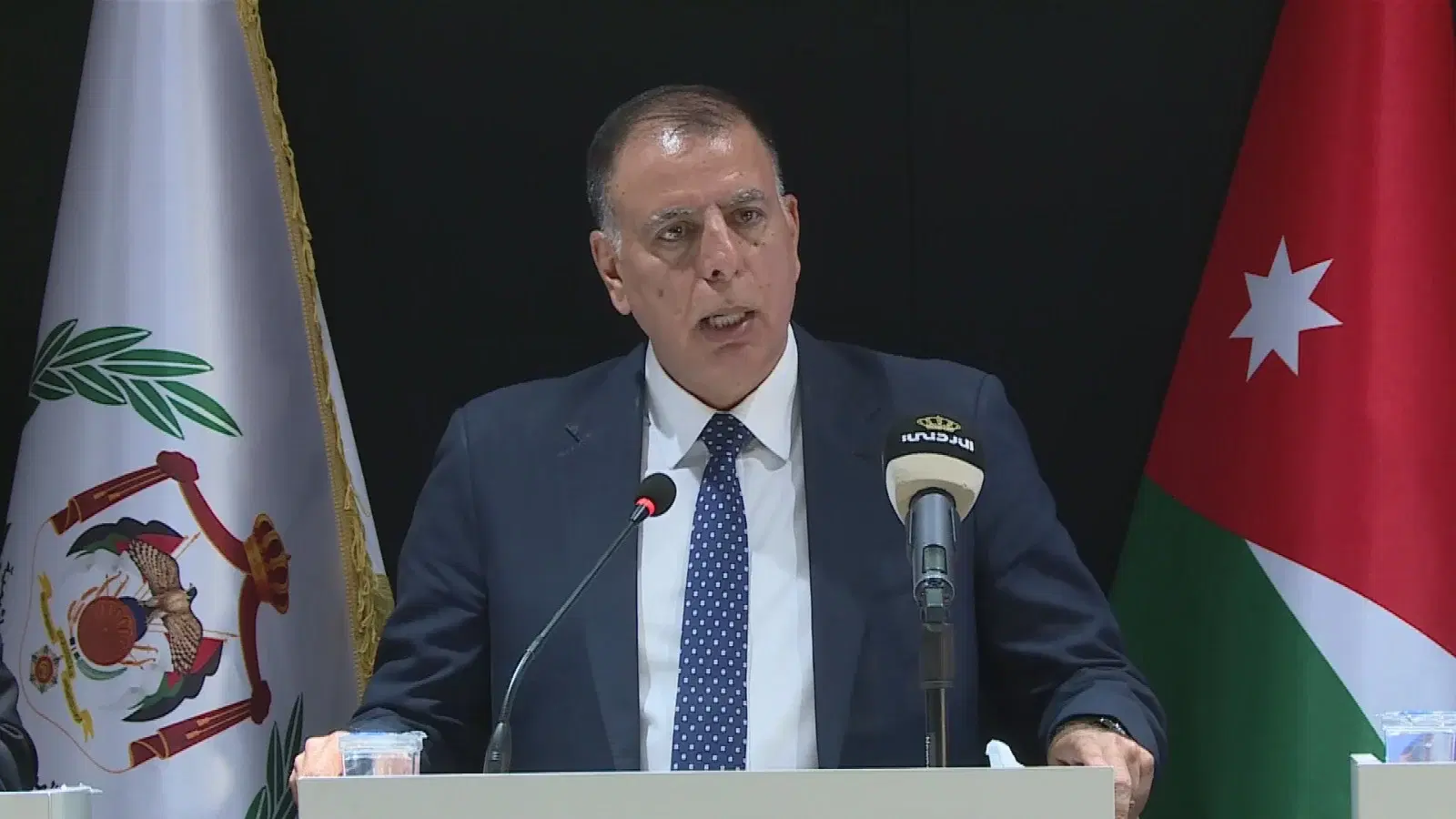
Dr. Khaled Kalaldeh said that the Arab region is undergoing a profound reshaping phase, in the absence of a unifying Arab project, in contrast to the presence of three major regional projects; Turkish, Israeli, and Iranian, stressing that facing the challenges surrounding Jordan is not limited to dealing with external dangers, but also requires fortifying the domestic front, enhancing the right of society to access information, and conducting a serious review of the paths of political, economic, and administrative modernization.
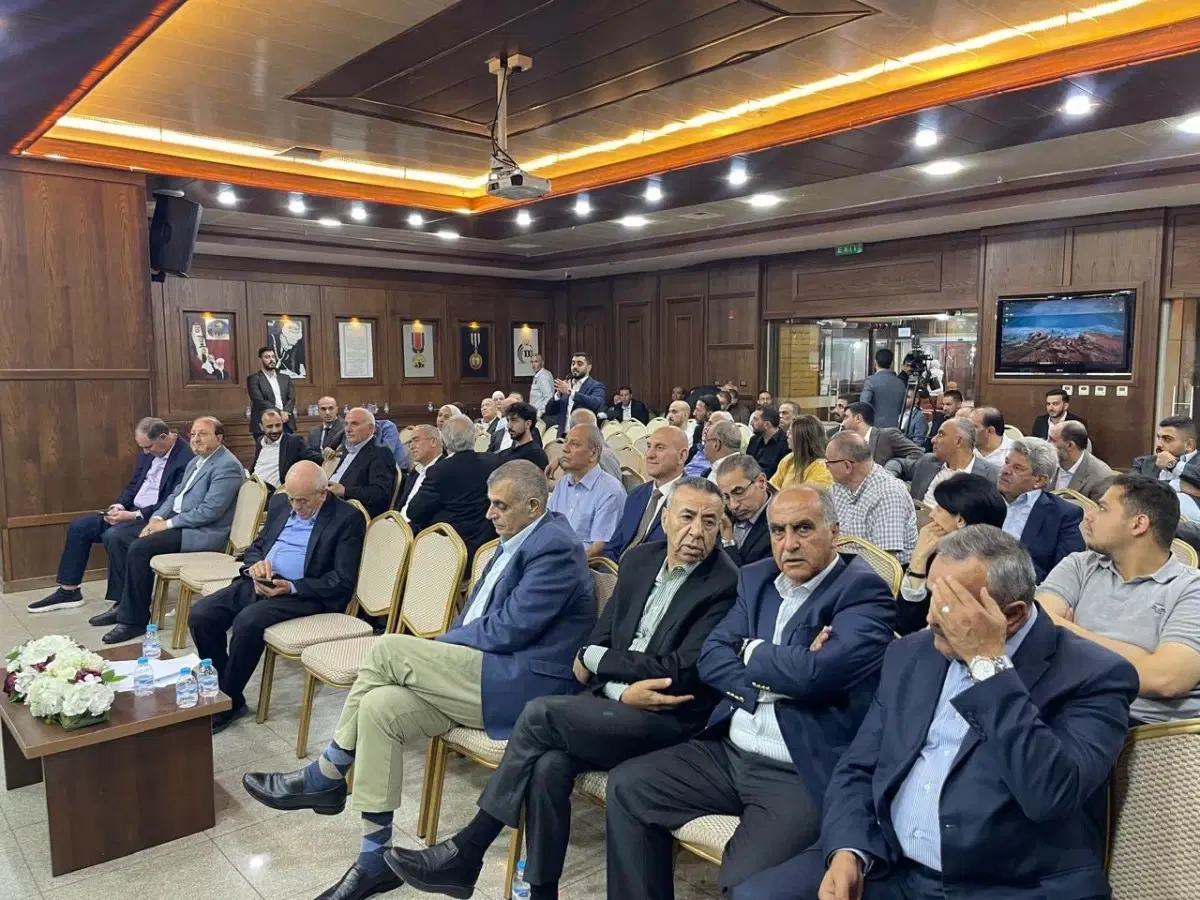
This was during the panel discussion organized by the Muhammad Al-Hammouri Forum for Cultural Development titled "From Regional Crises to Reshaping the Region: Where Does Jordan Stand?", as part of the series "The Question of Resilience and Renaissance", moderated by Dr. Montaser Al-Hawarat.
Kalaldeh said that the Arab scene cannot be dealt with as a single bloc, pointing to a significant disparity among its countries; some focus on their stability and private interests, others still suffer from the repercussions of the Arab uprisings, and some have overcome that phase to varying degrees, alongside countries that were part of the axis of Iranian influence in the region.
He considered one of the most significant imbalances in the current scene to be the absence of a clear Arab project, in contrast to Turkish, Israeli, and Iranian regional projects, each seeking to expand its influence and protect its interests.
In his reading of the behavior of Israel and Iran, Kalaldeh said that both parties, despite their contradiction, seek, each in its own way, to transfer their crises from their local and regional framework to the international arena. He considered that Israel attempts to establish an image of itself as a state surrounded by unstable environments that pose a threat to it, and uses that to justify its interventions and security arrangements in the region, while Iran, according to his reading, seeks to internationalize its conflict due to its inability to confront the United States alone.
Kalaldeh moved to Jordan's position amidst these transformations, considering that the Kingdom faces external influences and internal challenges simultaneously.
On the external front, he pointed to the repercussions of the war in Gaza and the situation in the West Bank, the risks of any resettlement projects and the resulting demographic and political burdens on Jordan, alongside the issues of water and energy, Jordanian rights to the waters of the Jordan River, and the challenges associated with water supply sources.
Internally, he said that the responsibility for strengthening the state's resilience is distributed between the executive and legislative authorities and civil society institutions, including parties and unions, considering that the strength of the state in facing external pressures is linked to the robustness of its internal situation and the ability of its institutions to deal with problems transparently.
Kalaldeh called for reviewing the experience of modernizing the political system and evaluating its results, questioning whether the large number of parties currently in existence has achieved the desired goals of the modernization process, and whether the experience needs to be evaluated after a period has passed since its launch.
He also addressed the economic modernization path, criticizing the focus on attracting projects that generate financial returns without adequately reflecting in creating job opportunities for Jordanians. He said that the success criterion of investment should not be limited to the size of the project or its profits, but should extend to its impact on employment and the local economy.
In this context, he touched on the conditions of workers in industrial cities, and several files related to social security, calling for a broader discussion on the impact of the policies followed in the labor market on national employment and social protection institutions.
On the public front, Kalaldeh emphasized that the Jordanian interior should be fortified with information, considering that the availability of information and the open discussion of public issues is a fundamental factor in building trust between society and state institutions.
He criticized what he described as the decline in the space of media in discussing some public issues, saying that issues that concern public opinion should not remain pending without clear answers, questioning the fate of some files that are announced to be referred to the judiciary and then long publication bans are imposed on them, without the public knowing what they have resulted in.
He said that society has the right to know about major issues that affect public affairs, adding: "If these issues are not discussed in the light, where are they discussed?", calling for reducing the ambiguity surrounding some major projects and files, and providing information about them to the public.
He also addressed the path of modernizing the public sector, considering that it also needs review and evaluation, especially in light of the amendments that have occurred in some decisions and procedures after their implementation, stressing the importance of subjecting modernization programs in their various paths to periodic evaluation that measures their actual impact, rather than limiting the matter to their launch.
Kalaldeh concluded that Jordan's ability to deal with a turbulent and changing region is linked to two intertwined paths: an accurate reading of what is happening externally, and building a stronger, more confident, and transparent domestic front, capable of participating in public discussion.
The seminar is part of the series "The Question of Resilience and Renaissance" launched by the Muhammad Al-Hammouri Forum for Cultural Development as an extension of its panel program, aiming to discuss the crises of the Arab state and society, regional transformations, and the potential for enhancing resilience and building projects capable of dealing with a changing regional and international environment.