Jordan: Active Presence in Promoting a Culture of Peace
Amman4 min read
Share
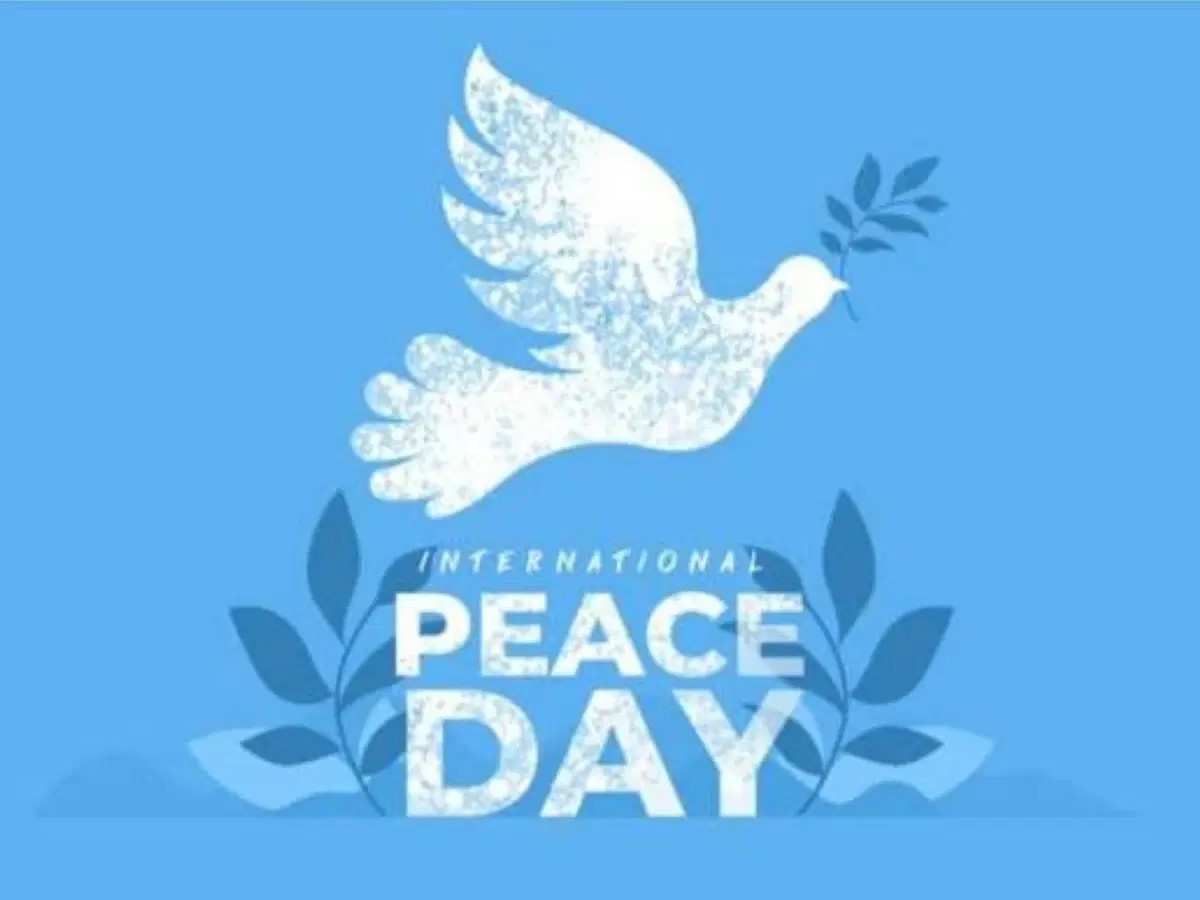
The world celebrates the International Day of Peace on the 21st of September every year, in a UN event that renews the call to stop conflicts and violence, elevate the language of dialogue and diplomacy, and seek political solutions that preserve the security and rights of peoples.
This year's celebration comes at a time when the world, and the Middle East in particular, is facing intertwined crises and conflicts, making the achievement of peace and stability a priority that transcends national borders and becomes a shared international responsibility.
The 2026 event carries the theme 'Invest in Peace: For All, Everywhere, Every Day', in a UN affirmation that peace cannot be just temporary agreements that end the fighting, but a continuous process that requires investment in human beings, development, education, dialogue, the rule of law, and the protection of human rights.
The United Nations General Assembly adopted the International Day of Peace in 1981, and designated September 21st as a day to promote peace and refrain from violence.
In Jordan, the occasion has a special dimension, given the Kingdom's geographical location in a region that has witnessed successive wars and crises over the past decades, the effects of which have impacted the political, economic, humanitarian, and security aspects of the region's countries, while Jordan has been at the forefront of countries directly dealing with the repercussions of these crises.
The Jordanian stance towards regional issues is based on supporting political solutions, dialogue, and diplomacy, and emphasizing respect for international law and the protection of civilians, considering that addressing the root causes of conflicts is the path to sustainable peace, and that the continuation of crises without political solutions threatens the security and stability of the region.
The Palestinian issue remains at the forefront of the files related to peace in the region, as Jordan consistently emphasizes the need for a just and lasting peace, ending the occupation, and achieving the legitimate rights of the Palestinian people, leading to the establishment of an independent Palestinian state based on the two-state solution and in accordance with international references.
Peace for Jordan is also linked to regional security, as the continuation of conflicts affects neighboring countries through displacement, refugees, and economic and security pressures, in addition to its impacts on trade, energy, investment, and development.
In this context, Jordan's hosting of refugees from countries that have experienced conflicts and crises has been one of the most prominent humanitarian dimensions imposed by regional developments, and the Kingdom has cooperated with the United Nations and international organizations in responding to humanitarian needs, while the number of refugees and the economic challenges associated with them have put additional pressure on service sectors and infrastructure.
Jordan's contribution to peace efforts is not limited to the diplomatic and humanitarian aspects, as it participates in UN peacekeeping operations as part of international efforts aimed at supporting stability in conflict zones.
In the message of the International Day of Peace for 2026, the United Nations focuses on the importance of diplomacy, dialogue, negotiation, and mediation as essential tools for preventing conflicts and resolving disputes, along with enhancing international cooperation.
The role of youth, education, media, and civil society in building a culture of peace is also highlighted, as the promotion of dialogue values, acceptance of differences, rejection of violence and hate speech begins with society and is not limited to political and international institutions.
Hence, the International Day of Peace goes beyond the celebratory aspect to become an occasion to remind that regional stability requires continuous political, diplomatic, and humanitarian efforts, and that the international community is required to transition from crisis management to addressing their causes.
For Jordan, peace is directly linked to the region's future, security, and stability, making the continuation of diplomatic efforts, support for political solutions, and strengthening international cooperation an essential part of dealing with regional challenges.
On September 21st, the UN message is renewed that peace is not built in a day, nor achieved by a single decision, but requires political will, continuous dialogue, investment in human beings and development, and international cooperation capable of transforming the cessation of conflicts into lasting peace.