Iranian Strait Management Authority: Sinokor ships will face legal action
Amman2 min read
Share
The Strait of Hormuz Management Authority, a body established by Iran to manage transit requests for the Strait of Hormuz, said yesterday, Tuesday, that all ships belonging to Sinokor Merchant Marine will face "legal action" starting November 1st.
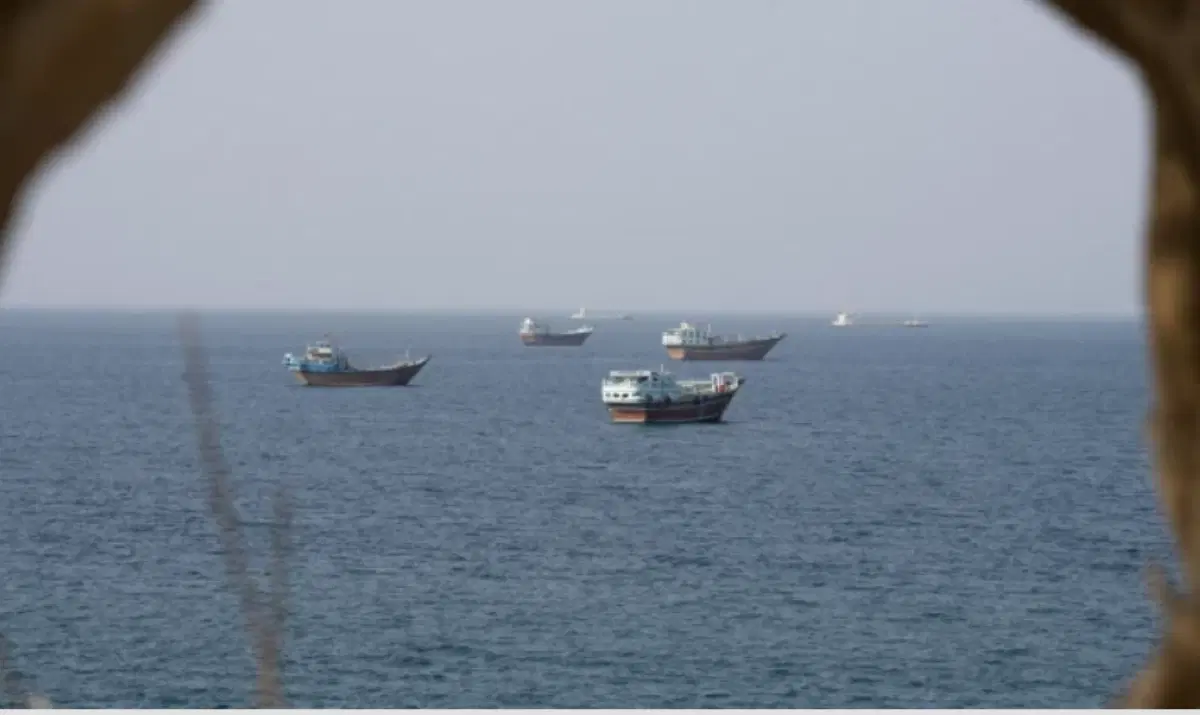
Tehran is seeking to tighten its grip on this strategic maritime corridor by attacking ships passing through it since the start of the US-Israeli airstrikes on Iran on February 28. Tehran has restricted transit through the strait in an attempt to gain leverage against Washington while disrupting oil flows from oil-producing countries in the Gulf region, particularly to buyers in Asia.
The authority stated on the X platform that ships belonging to Sinokor have committed the highest number of transit violations in the strait over the past three months, and that "appropriate measures" have been taken against at least seven of them.
The Korea Shipowners' Association stated on Wednesday that the ships in question are not owned by Sinokor, but were subcontracted to a foreign oil company, and that they do not include any South Koreans among their crew members, with the entire crew consisting of foreign sailors.
The association clarified that it verified this information through an official at Sinokor.
The association added that Sinokor was not aware of the separate notification issued by the authorities regarding taking legal action, and that it is working to obtain further details.
Ships owned by Sinokor were previously included in a list issued by Iran in August containing 45 oil tankers that it said had violated the rules set by Tehran for transiting the Strait of Hormuz.
In response to the Iranian attacks, the United States also imposed a naval blockade in the strait on ships linked to Iran.
Although the blockade has led to an almost complete paralysis of Iranian exports, Gulf oil producers have adapted to the attacks on ships by relying on what is known as "dark transit," which is turning off tanker tracking systems to avoid detection, in order to protect the oil flows that form the pillar of their economies.