Iran warns of "devastating" impact on energy markets of any Israeli "military adventure"
Amman5 min read
Share
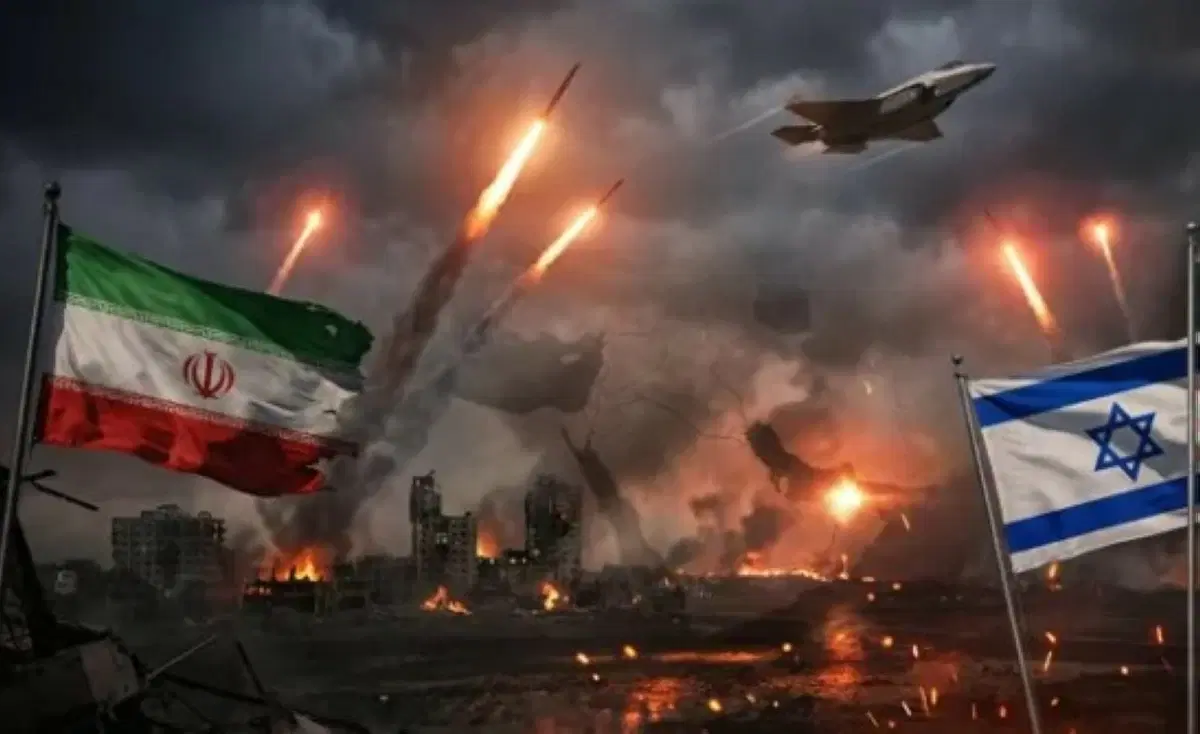
Iran warned on Wednesday of a devastating economic impact from any new Israeli-led attack against it, as vote counting continues in the Israeli elections, the results of which could determine the course of the regional war.
The Islamic Republic also stated that it is holding discussions with mediators regarding a plan it had previously proposed to end the war in the Middle East and reopen the Strait of Hormuz.
Under the rule of Israeli Prime Minister Benjamin Netanyahu, who has vowed to topple the Iranian government, the two countries have engaged in direct war for the first time in their history after decades of hostility.
The elections held on Tuesday gave Israelis an opportunity to determine their stance on Netanyahu's right-wing government, amid increasing American and Israeli threats to launch new attacks against Iran following the outbreak of war in February.
In a statement on the X platform while attending an energy forum in Moscow, Araghchi said that "the devastating impact on international markets of any military adventure undertaken by Israel in the Persian Gulf region continues to be a major source of concern for both gas suppliers and consumers."
Since the outbreak of the war, Iran has paralyzed navigation in the strategic Strait of Hormuz, which was a passage for about one-fifth of the world's oil and liquefied natural gas supplies, and has also begun attacking ships attempting to pass without its permission.
In return, the United States continues to impose a naval blockade on Iranian ports to pressure the Iranian economy.
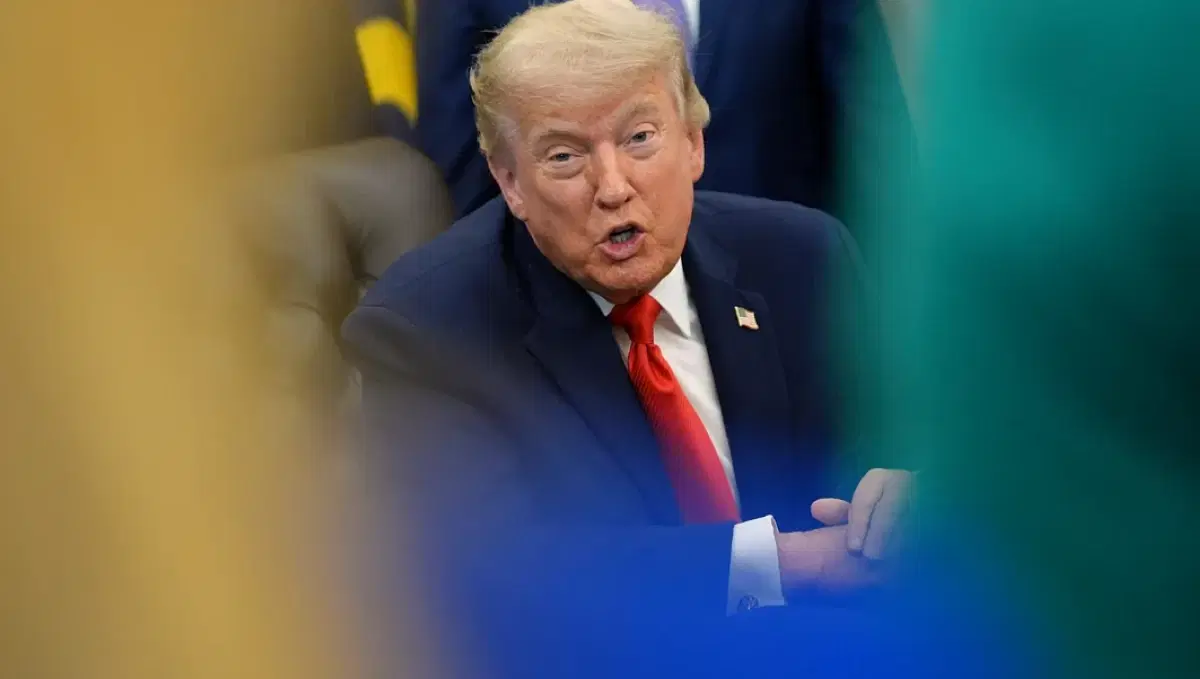
The Wall Street Journal reported on Wednesday that Washington has asked several Arab Gulf states to prepare for the possibility of a "short and intense military campaign" against Iran, following the US midterm elections scheduled for November 3.
However, the newspaper quoted sources familiar with these discussions as saying that President Trump has not yet made a final decision on the matter.
Iran has warned that it will respond more broadly in the event of any new attack, and Rezaee threatened to target infrastructure linked to the United States, including data centers and other facilities related to artificial intelligence.
- An opportunity for diplomacy
Araghchi announced on Wednesday that the Islamic Republic is discussing with mediators ways to implement the seven-day plan aimed at ending the war in the Middle East and reopening the Strait of Hormuz.
Araghchi wrote on the X platform, "While our brave armed forces are on high alert to defend the homeland, Iran continues to give diplomacy a chance to succeed."
He added, "We are in close and constant contact with mediators to discuss ideas that would ensure the implementation of the seven-day plan in less than a week."
Trump had previously rejected this plan after Iran proposed it in September.
The plan stipulated the reopening of the Strait of Hormuz within seven days if the "necessary conditions" were met, particularly regarding ending the war on all fronts in the region.
In its previous proposal, Tehran also demanded the release of its frozen assets abroad, the lifting of sanctions imposed on its oil sector, and an end to the American blockade on its ports.
Negotiations between Washington and Tehran have been stalled for months.
The "Axios" website reported on Wednesday that regional mediators, led by Qatar, are pushing for a "diplomatic agreement" to revive US-Iranian talks and prevent the resumption of war in the Middle East after the US midterm elections scheduled for November 3.
The report added, citing American, Israeli, and regional sources, that the Qataris are trying to "convince Iran to allow International Atomic Energy Agency inspectors to visit its nuclear sites that were bombed in exchange for easing some US sanctions."
Iran announced that a Qatari delegation visited it on Sunday to hold talks with its officials regarding the latest developments, especially the negotiations, the Strait of Hormuz, and energy supplies.
The Wall Street Journal revealed on Wednesday that US Vice President J.D. Vance reached out to a senior Iranian security official in an attempt to revive peace talks, which could spare the Islamic Republic a new American attack.
The newspaper reported that Vance sent a message to Mohsen Rezaee, Secretary of the Iranian Supreme National Security Council, in a move that the newspaper, according to one of its sources, indicated came under the direction of President Donald Trump.
- "Existential threat"
Netanyahu said on Tuesday that he could work with Trump to eliminate the "existential threat" posed by Iran.
As for his main rival in the elections, Gadi Eisenkot, he called on senior security leaders in Israel to serve the national interest, not Netanyahu's political interests.
Addressing Netanyahu, he said, "Do not you dare exploit Israel's security to serve your political interests."
On Sunday, Israel's Channel 12 reported, citing unnamed sources, that a confrontation occurred between Netanyahu and Chief of Staff Eyal Zamir, against the backdrop of new, unspecified directives that military officials fear could lead to renewed fighting with Iran.
During a television interview, Netanyahu described the report as "nonsense."
With vote counting continuing on Wednesday, no clear winner has emerged between Netanyahu and the opposition camp led by Gadi Eisenkot.
The Iranian Foreign Ministry said on Monday that it "makes no difference" to the Islamic Republic who wins.
On Sunday, Araghchi emphasized that the outbreak of a new war with the United States and Israel would not change Iran's position at all.
He said, "They have done this twice before and saw the results. And if they want to try again, they know they will not achieve any result different from what happened in the past."
Iran has warned that it will respond more broadly in the event of any new attack, and Rezaee threatened to target infrastructure linked to the United States, including data centers and other facilities related to artificial intelligence.
Tehran also downplayed Netanyahu's threats to overthrow the Iranian government, describing them as "hollow threats" and "evidence of desperation."