Hurricane Isaias intensifies as it approaches the US Gulf Coast
Amman2 min read
Share
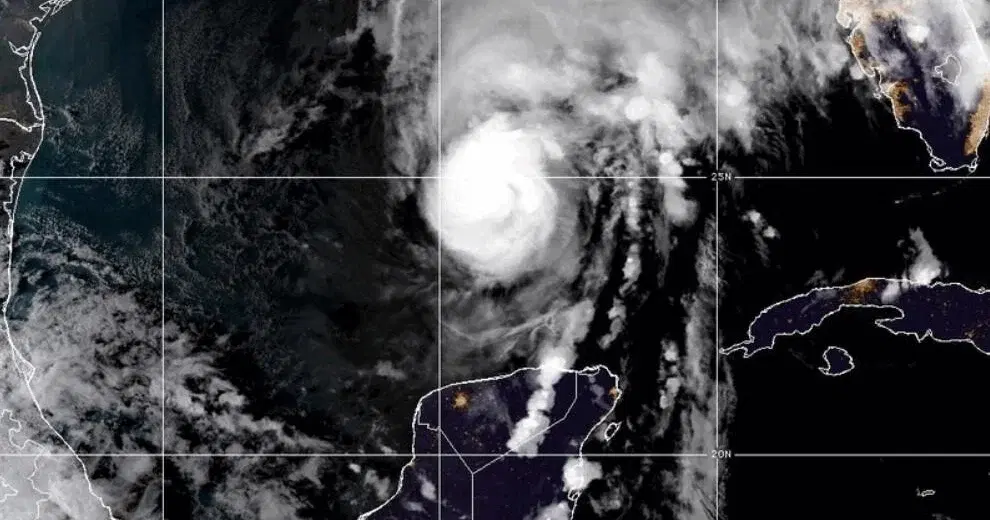
Hurricane Isaias intensified on Friday as it headed toward the US Gulf Coast, according to the US National Hurricane Center, with landfall expected in Florida, Alabama, or Mississippi within the next 24 hours.
Authorities issued mandatory evacuation orders in several Florida counties, while states of emergency were declared in parts of Alabama, Florida, and Georgia.
In its latest update, the US National Hurricane Center stated that Hurricane Isaias is packing maximum sustained winds of 120 mph (195 km/h) and is located about 240 miles south of Pensacola in the Florida Panhandle.
Florida Governor Ron DeSantis said in a press conference on Friday, "Resources have been flowing, preparations are intense, and we are taking this hurricane very seriously."
He added, "We know this is going to be a major event, one way or another."
Isaias is the first hurricane of the Atlantic hurricane season, which began on June 1, but it arrived unusually late, partly due to the strong "El Niño" climate phenomenon.
The El Niño phenomenon causes climate effects over the Atlantic Ocean, hindering the formation and intensification of storms in the region.
On the other hand, Hurricane Isaias has disrupted oil and gas production in the Gulf of Mexico, with workers evacuated from platforms and rigs.
According to the Minerals Management Service (MMS), about 63 percent of oil production in the region was suspended as of Thursday, removing about 1.3 million barrels per day from the market.
The agency added that about 57 percent of gas production operations were suspended.
Chevron and Shell also halted production at a number of sites in the Gulf.
US Secretary of Homeland Security Markwayne Mullin said that federal authorities are coordinating response efforts with state and local governments.
He added via the X platform, "I ask everyone in the path of the hurricane to do their part as well and be prepared. Now is the time to prepare."
The El Niño phenomenon represents the warm phase of a natural climate cycle in the tropical Pacific Ocean known as the "El Niño-Southern Oscillation," which recurs every two to seven years.