G7 decides to release 100 million barrels of diesel and crude oil
Amman2 min read
Share
US President Donald Trump announced today, Friday, that European countries have agreed to release a "huge amount" of their diesel reserves, amidst Washington's efforts to curb the rapid surge in prices caused by the wars in both Iran and Ukraine.
Trump wrote on his Truth Social platform: "Europe has just agreed to release a massive amount of its large diesel fuel stockpile. The process will begin immediately."
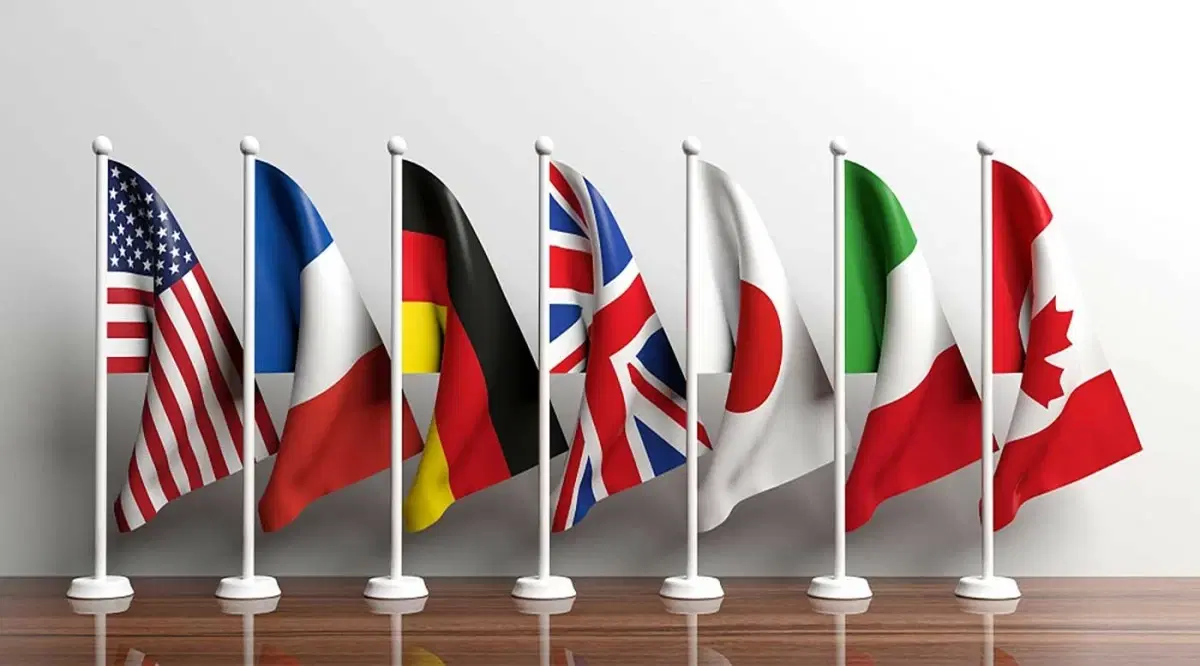
For his part, French President Emmanuel Macron announced via the "X" (formerly Twitter) platform that he had met with G7 leaders to discuss global energy conditions, pointing out their agreement to work in a coordinated manner to help lower the prices of petroleum products, particularly diesel.
He explained that the group's leaders agreed to increase production flexibility aiming to operate refineries at maximum possible capacity, alongside the release—in cooperation with partners and under the coordination of the International Energy Agency—of up to 100 million barrels from strategic reserves over four months.
Macron added that the group also agreed not to take any measures that would restrict the trade of energy and oil products among partner countries.
In turn, the G7 announced, in a statement issued following the meeting, a package of coordinated measures to address oil market volatility and soaring prices, which included raising refinery operating rates wherever possible and coordinating their maintenance schedules, alongside working with other countries to increase the production of petroleum derivatives, especially diesel.
The group affirmed that the release of 100 million barrels from strategic reserves will begin immediately and extend over four months, coordinated by the International Energy Agency, with large quantities of diesel to be injected early during the first twenty days.
It also left the door open for releasing additional quantities of diesel if market conditions so require, according to the European news agency Euronews.
The group's leaders pledged to refrain from imposing restrictions on energy exports among their countries, and called on other producers to avoid any bans that could increase pressures in the markets. They also tasked the International Energy Agency with monitoring the impact of the measures and the extent of their implementation, and submitting a report within 20
days.
Moreover, the G7 condemned Iran's attacks on neighboring countries and their impact on international trade and energy security, and called for the full restoration of navigation rights in the Strait of Hormuz.