Expectations for the US Federal Reserve to delay interest rate hike until December instead of October
Agencies3 min read
Share
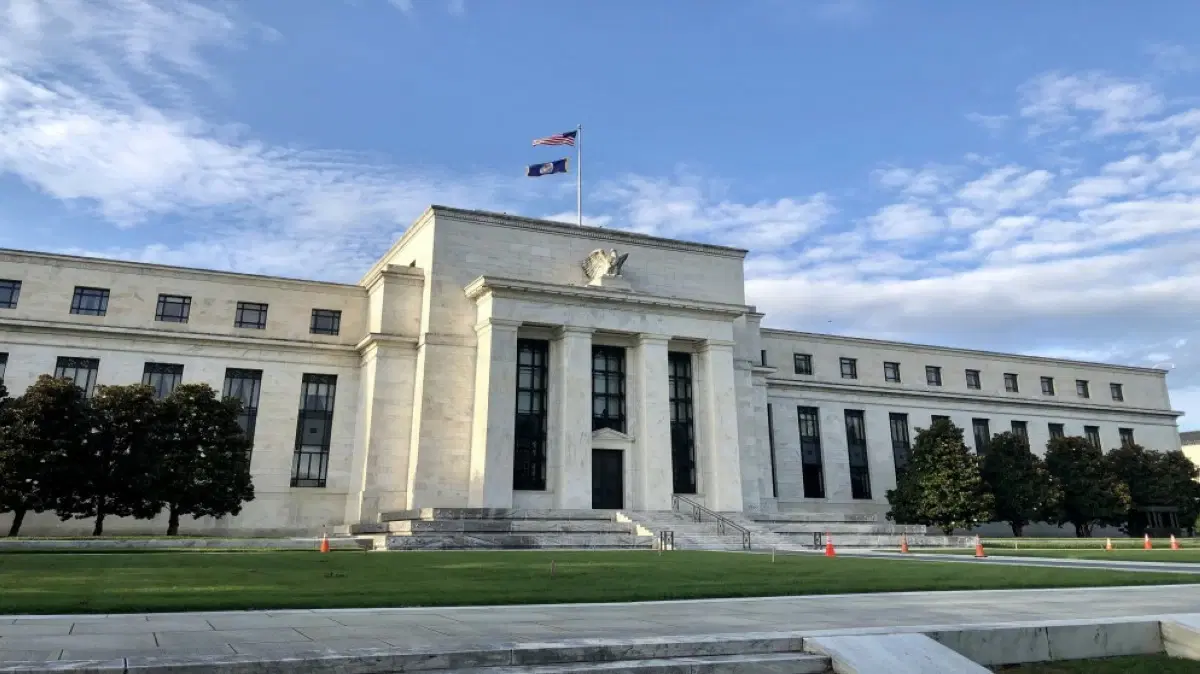
The US labor market report released on Friday, which showed a greater-than-expected slowdown in hiring, has reinforced the inclination of policymakers at the Federal Reserve (the US central bank) toward not proceeding with a second consecutive interest rate hike this month, with the aim of allowing an opportunity to study more economic data before making any further decisions.
However, this assessment may change following data yet to be released, particularly the Consumer Price Index, which is closely watched as a measure of inflation and will be released before the Federal Reserve's monetary policy meeting on October 27 and 28.
After raising the interest rate by a quarter of a percentage point last month to put inflation on a "faster" path toward achieving the Federal Reserve's 2% target, US central bank officials are now balancing the risks of moving too slowly to curb price pressures against the potential damage that could be inflicted on the labor market if they move too quickly.
Federal Reserve Chairman Kevin Warsh has adhered to his policy of not making any statements regarding the risks he sees or the path that interest rates might need to take, but his colleagues have not been as reserved.
In response to a question about whether the Federal Reserve should raise interest rates or hold them steady at the next meeting, Austan Goolsbee, President of the Federal Reserve Bank of Chicago, said, "There is a wide range of options on the table."
Goolsbee added that he believes the latest jobs data shows that the labor market is stable.
He continued, "I think the inflation side of the Federal Reserve's mandate is the source of the problem. We have to watch that closely."
The Labor Department reported on Friday that US employers added only 29,000 jobs last month, a figure lower than economists' expectations of 90,000 jobs, and August employment figures were revised downward.
After the Federal Reserve raised short-term borrowing costs last month, policymakers indicated that they would likely proceed with at least one more hike by the end of the year if the war in Iran and other shocks that have pushed inflation higher continue.
With the continued failure to reach an agreement to stop the war and trade tensions remaining at the forefront, expectations until early this week pointed to a rapid series of interest rate hikes, coinciding with a rise in long-term bond yields, which hit 24-year highs on Thursday. Mortgage interest rates also rose above 7%.
However, Federal Reserve Vice Chair Philip Jefferson and New York Fed President John Williams expressed in their statements this week a desire to see more data before considering any further action, prompting investors to lower their bets on an interest rate hike during the central bank's October meeting.
An analysis of the CME Group's FedWatch tool showed that investors expect a 25% probability of an interest rate hike in October, and a very high probability of a hike in December.
Data released this week showed that the inflation rate, according to the measure adopted by the Federal Reserve, reached 3.4% in August, a rate well above the 2% target, but it came in below economists' expectations.