Economists: Expenditure control enhances spending efficiency and expands fiscal space
Financial savings and opportunities to boost investment and services
Amman4 min read
Share
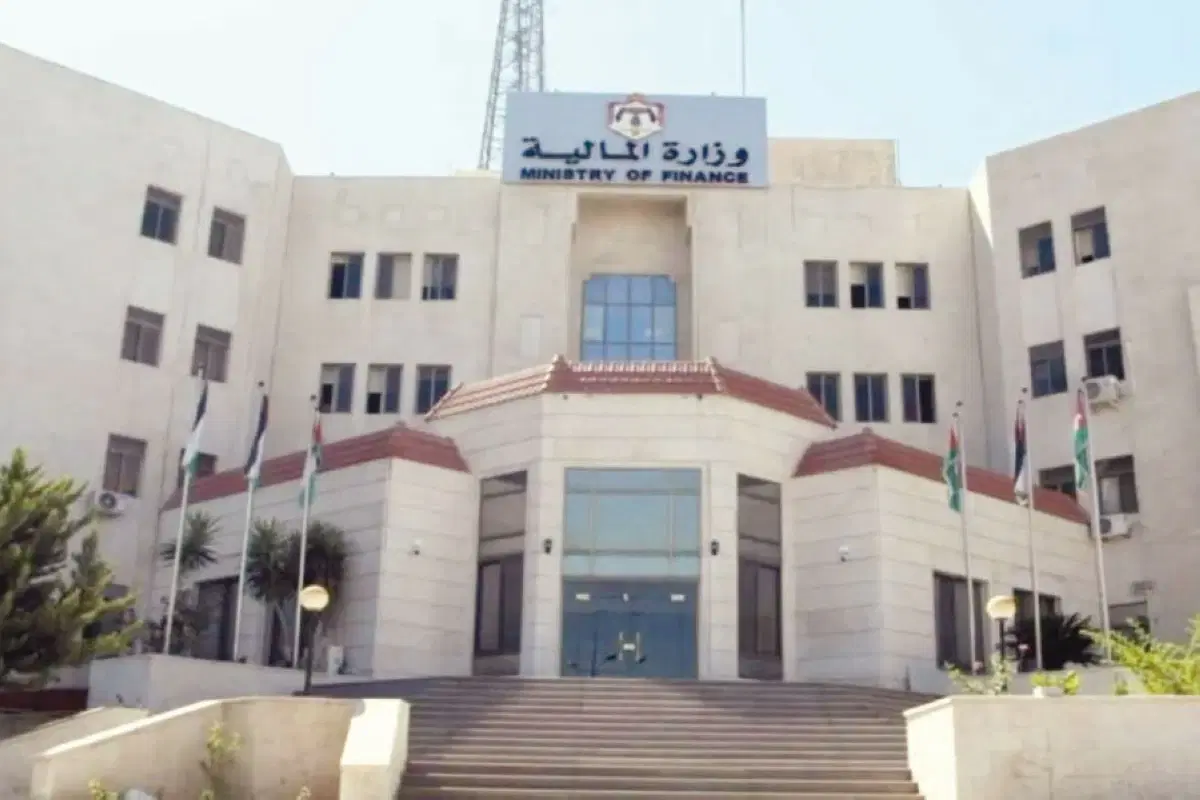
The results of operational expenditure control announced by the Ministry of Finance reflect a trend toward increasing public spending efficiency and improving financial resource management, as the difference between actual spending and allocations for ministries during the first nine months of the current year reached about 94 million dinars, or 21.5%.
Economic experts believe that the importance of these results goes beyond direct savings to include curbing waste, strengthening fiscal discipline, and creating more space to direct resources toward development priorities, provided that savings are sustainable and the quality of public services is maintained.
Economic expert Wajdi Makhamreh pointed out that the 21.5% decrease in operational expenses enhances fiscal discipline and could ease pressures on the budget and provide broader scope for capital spending and development projects, if it continues sustainably and is reflected in actual financial results.
He explained that expanding digital services not only reduces spending on paper and printing but also contributes to accelerating transactions, improving oversight, reducing errors and duplication, and increasing employee productivity. Furthermore, improving energy efficiency through smart lighting and renewable energy represents an investment in reducing operational costs and enhancing sustainability.
He added that merging institutions and consolidating procurement, warehousing, transport, and distribution could achieve additional savings by improving resource management and enhancing bargaining power to obtain better prices. The electronic pharmaceutical inventory management system, which achieved a saving of about 3.1 million dinars, also serves as a model for the potential to curb waste and expiration through digital oversight.
Makhamreh indicated that continuing this approach may help curb the growth of current expenditures and reduce the need for borrowing to finance the deficit, while making additional resources available for infrastructure, water, transport, education, and health sectors. However, he stressed that a decrease in operational expenses does not necessarily mean a reduction in the budget deficit by the same amount, as the final result is determined by public revenues and other expenditures and financial obligations. In turn, economic expert Mounir Dieh said that the government's trend toward reducing operational expenses by about 15% annually aims to minimize unnecessary spending without affecting the level of services provided to citizens, especially in items such as rent, stationery, energy, insurance, vehicles, and transport.
He explained that the savings recorded over the past nine months reflect the role of digital transformation and electronic services, including the "Sanad" application and comprehensive government service centers, in reducing expenses, in addition to the expansion in the use of alternative energy sources and smart lighting.
He added that continuing expenditure control measures, merging institutions, improving pharmaceutical inventory management, expanding the construction of government schools to phase out rented buildings, and increasing reliance on clean energy could achieve additional savings for the treasury, supporting the direction of resources toward spending priorities, including improving salaries and public services.
For his part, financial and economic expert Dr. Mohammed Al-Hadab Al-Sarhan said that the results reflect progress in improving financial resource management, noting that the difference between allocations and actual spending reached about 94 million dinars during the first nine months of the current year.
He explained that the decrease in spending on stationery and office supplies by 13.3 million dinars, and electricity by about 10.5 million dinars, highlights the impact of digitization and energy efficiency in reducing operational costs, emphasizing the importance of treating spending cuts as a means to improve government performance, not as an end in itself.
He added that sustainable savings provide public finance with more space to meet the needs of infrastructure, education, health, and public services, and to direct resources toward productivity, investment, and employment rather than reducible expenses.
Al-Sarhan pointed out that the smart lighting project at the Greater Amman Municipality, which aims to replace 32.5 thousand traditional lighting units, is expected to reduce energy consumption in the targeted sites by up to 50%. He also noted that the electronic pharmaceutical inventory management system achieved a saving of about 3.1 million dinars in less than seven months in 2025, considering that scaling up successful experiences could enhance financial and administrative efficiency.
He called for enhancing transparency by issuing a periodic index for government spending efficiency that measures the impact of savings on the quality of services, the speed of transaction completion, and their cost, while distinguishing between sustainable reduction and deferring expenses to later periods. He also noted that the plan to reduce operational expenses by 15% during the coming year represents an opportunity to consolidate fiscal discipline, provided that the achieved savings are directed toward priorities with a direct economic and social impact.
Expert opinions converge that the economic impact of expenditure control is linked to the government's ability to convert savings into a sustainable improvement in spending efficiency and service quality, thereby enhancing public finance management and directing resources toward economic and development priorities.