Artificial intelligence data centers in the United States are becoming a focal point of escalating controversy, amid residents' concerns over noise, pollution, and declining property values, contrasted against corporate promises of job creation and attracting investments, coinciding with the approach of the congressional midterm elections this coming November.
The city of Lowell, Massachusetts, embodies this conflict, as a data center located in the middle of a residential neighborhood is sparking complaints about constant noise, dust, and spray from cooling towers, which has altered the lifestyle of some residents, including 82-year-old Eileen Castle, who has moved away from her garden and pool due to the project's repercussions.
Conversely, supporters of the center defend its economic benefits, pointing to its role in repurposing an abandoned industrial site and providing job opportunities and contracts for local companies. Between these two positions, residents are divided between those who fear environmental and real estate damage, and those who see the project as an opportunity for development.
As companies expand the construction of data centers, pressure is mounting on local officials to strike a balance between attracting investments and protecting residents, making these facilities part of the political and economic debate as the US elections approach.
Electricity consumption under the microscope
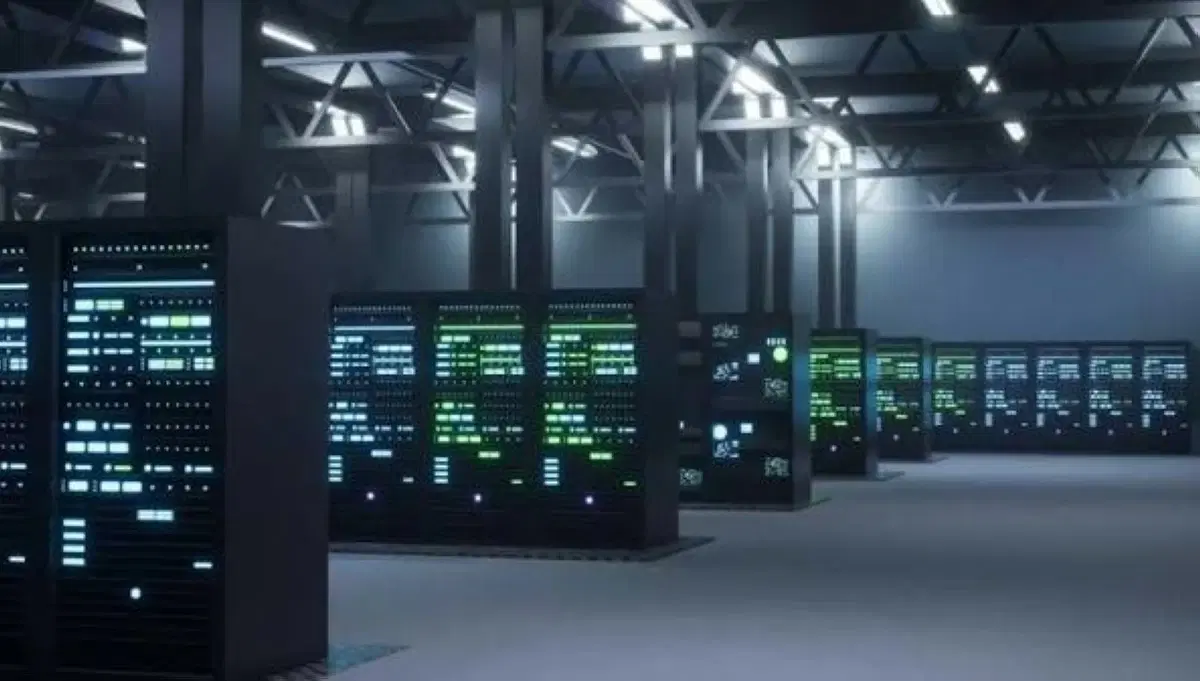
Data centers rely on servers, information storage systems, and networking equipment, as well as cooling, backup power, and security systems, to ensure the operation of digital services around the clock.
According to a report issued by the Lawrence Berkeley National Laboratory, the share of data centers could reach 11.8% of total electricity consumption in the United States by 2030, with an estimated range between 9.5% and 15.3%, in light of the increasing expansion in operating artificial intelligence servers.
With the debate intensifying over the impacts of these facilities, the success of the artificial intelligence revolution is no longer linked only to the volume of investments and technical development, but has also become dependent on the ability of companies and authorities to limit their damages and achieve a balance between economic gains and the interests of local communities.