More than 80% of facilities in the craft area are unlicensed
An alternative site for the craft area has been pending since 2016
Follow Al Rai

More than 80% of facilities in the craft area are unlicensed
An alternative site for the craft area has been pending since 2016
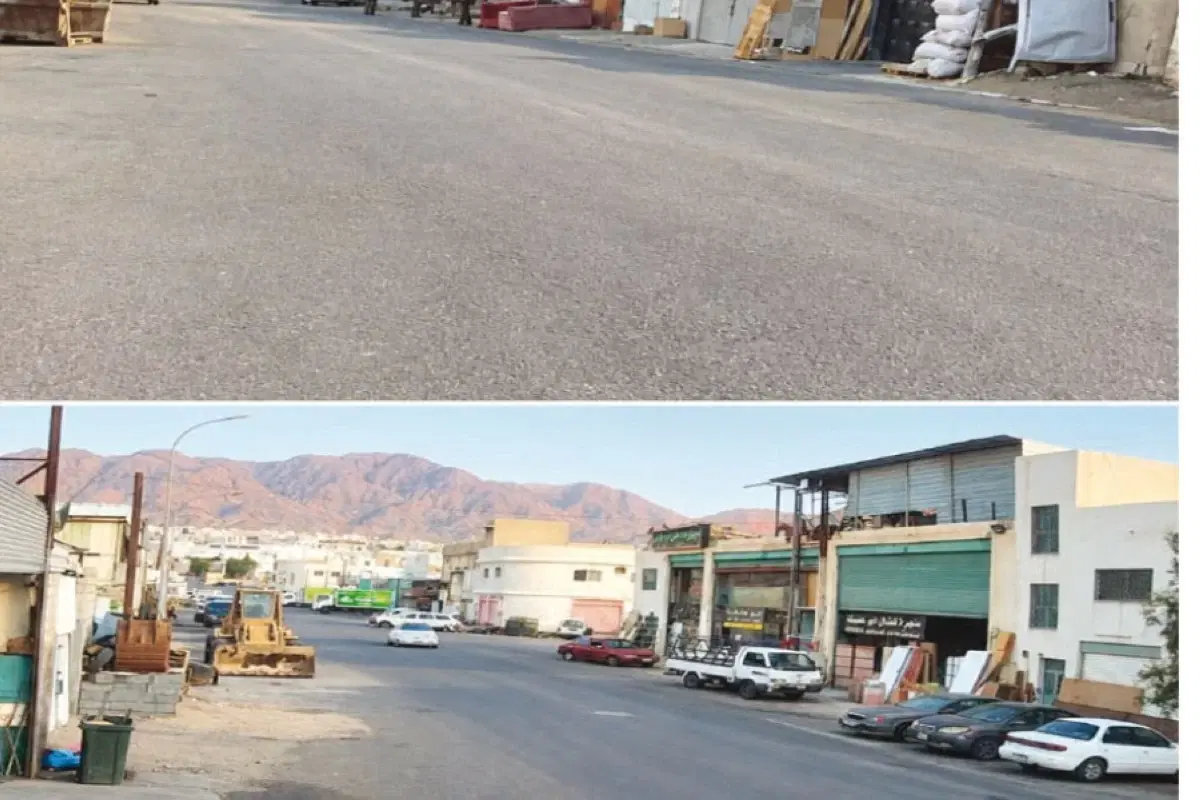
The craft area in Aqaba faces accumulated challenges imposed by the rapid urban expansion of the city of Aqaba since it was declared a special area in 2001. With more than 400 facilities, over 80% of which are unlicensed, the narrowness of craft-use land areas, infrastructure problems, and stormwater drainage, along with severe shortages in public safety requirements, make addressing the current situation a necessity that requires practical solutions suitable to the nature of mechanical professions and the needs of their owners. The Aqaba Special Economic Zone Authority has given special importance to this issue and has made partial treatments over the past years.
This situation brings up the option of relocating the craft area to a wider and more suitable site, away from residential clusters, similar to other cities in the Kingdom, alongside finding a clear mechanism to rectify the conditions of existing facilities and facilitate their licensing procedures, in a way that meets safety requirements and preserves the interests of workers and citizens, and keeps pace with the urban, economic, and tourist growth witnessed by Aqaba.
Kamel Al-Qudra, President of the General Syndicate of Mechanical Profession Owners in Aqaba, confirmed in an exclusive interview with "Al-Rai" that the craft sector faces a series of challenges that require an integrated treatment, explaining that more than 80% of existing facilities are unlicensed, and that the main reasons for this are related to regulatory and planning requirements, returns from reorganization, licensing procedures, and public safety requirements.
He said that some facility owners have been facing difficulties in completing licensing procedures for years, which necessitates establishing a practical mechanism to rectify the conditions of existing facilities, instead of leaving the file pending. He emphasized that profession owners are not demanding the cancellation of safety conditions or regulatory requirements, but rather finding flexible solutions that take into account the nature of mechanical professions, the spaces of their facilities, and their operational needs.
He explained that mechanical professions differ from traditional commercial activities as they require larger spaces and appropriate entrances and exits for vehicles, equipment, and machinery, noting that most land plots in the area range between 120 and 270 square meters, which limits the ability of facility owners to expand or provide the required requirements within the available spaces and leads to the use of streets to place vehicles under repair due to the small size of shops.
Al-Qudra called for allowing the use of a limited part of the craft facility for commercial purposes related to the main activity, while keeping the majority of the area dedicated to craft work, which provides complementary services to customers and enhances the ability of facility owners to continue, alongside reducing reorganization returns and financial burdens resulting from changing the use status from craft to commercial and simplifying licensing procedures.
He called for granting existing facilities a two-year period to rectify their conditions and complete licensing requirements, and to reconsider some requirements related to building heights for mechanical activities, as well as reducing or canceling fees for external stairs that may be imposed by civil defense requirements.
He pointed out the importance of studying the allowance of some specific uses on the sill floor, such as exhibitions or activities related to the craft activity, within clear guidelines.
He explained that the craft area was established more than 25 years ago, when Aqaba was smaller in size and the area was located outside residential clusters. However, urban expansion has made it today surrounded by residential areas and vital facilities, and it has become close to Prince Hashem Military Hospital, the Aqaba Special Economic Zone Authority building, and the University of Jordan branch in Aqaba.
He emphasized that the continued existence of mechanical activities in a site surrounded by residents and vital facilities necessitates re-evaluating the site from a planning and safety perspective, noting that the current area of the region is about 220 dunams, and it does not have vacant land that allows for future expansion.
He said that relocating the area to a new site with an area of at least 500 dunams would be more capable of accommodating existing and new facilities in an organized manner, providing suitable spaces for mechanical professions, vehicle parking, and their entrances and exits, alongside achieving the required returns and providing appropriate infrastructure.
He pointed out that the relocation proposal is not new, as it was previously included in the outputs of the master plan prepared by the Japan International Cooperation Agency (JICA), and he indicated that the current site also suffers from cleanliness and service problems, as well as rainwater and floodwater accumulation during the winter season, where water flows from the ninth area and mountainous areas towards the craft area, leading to the accumulation of water and sand, explaining that temporary solutions, including sand barriers, are no longer sufficient, and that comprehensive treatment of rainwater drainage networks and infrastructure is needed.
He also called for enhancing security supervision in the area, especially during evening hours, by increasing patrols and installing surveillance cameras, to protect property and provide a safer environment for workers and facility owners.
Al-Qudra stressed the need for mechanical professions to have a larger space in exhibitions and economic and tourist events held in Aqaba, noting that the owners of these professions possess high expertise and skills, but their presence in major events is still below the required level.
He also called for providing suitable accommodation for workers in the sector, especially expatriate workers, to prevent the use of craft facilities for housing or lodging, preserving their nature of use, and enhancing safety conditions.
Al-Qudra emphasized that addressing the file of the craft area must be based on an integrated vision that includes rectifying the conditions of existing facilities, facilitating licensing procedures, improving services and infrastructure, and setting clear safety requirements, alongside proceeding with the study of the alternative site as quickly as possible, to ensure the establishment of a modern and organized craft area that keeps pace with Aqaba's economic and tourist status and serves profession owners and citizens alike. The authority has started studying an alternative site since 2016, and decisions of previous councils of commissioners have been issued in this regard, but no actual solutions have been implemented, leading to the exacerbation of problems and making treatment increasingly difficult.
Know more about this story?Send us a tip
Ask about this report — answers stay grounded in its text.