Gross Domestic Product (GDP) grew by 3% in the second quarter.
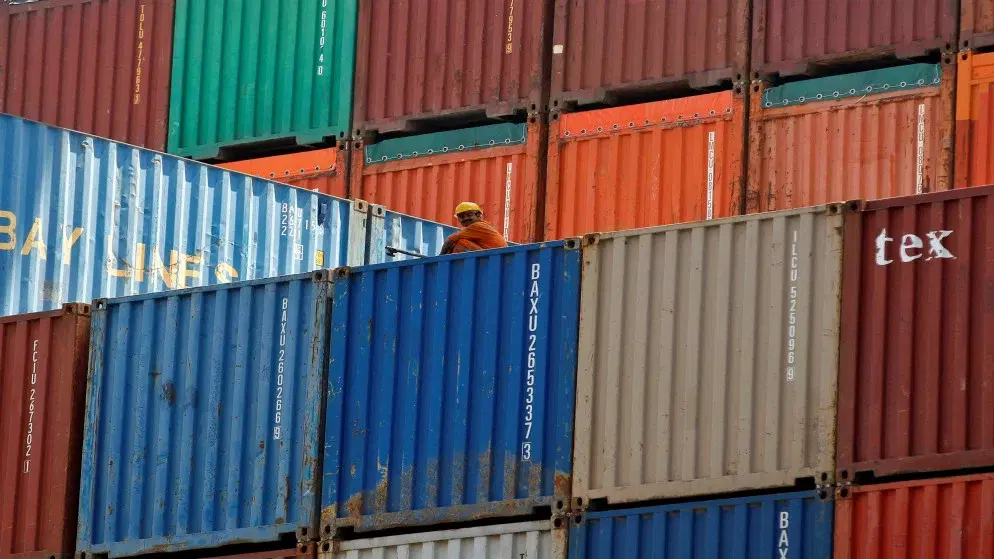
Total exports grew by 10.3%.
Follow Al Rai

Gross Domestic Product (GDP) grew by 3% in the second quarter.
Total exports grew by 10.3%.
The Jordanian Investor Confidence Index rose by 21.9%.
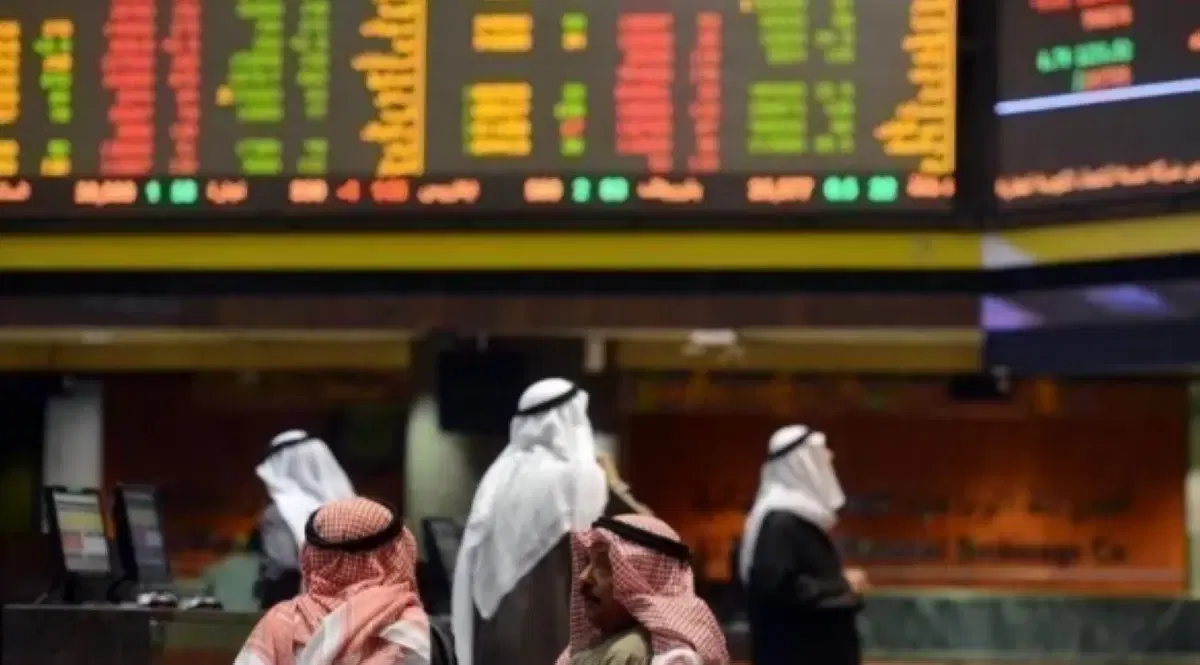
The Amman Stock Exchange general index rose by 38.2%.
Jordan achieved a remarkable improvement in the Global Innovation Index, ranking fifth among Arab countries.
The number of registered companies increased by 7.24%.
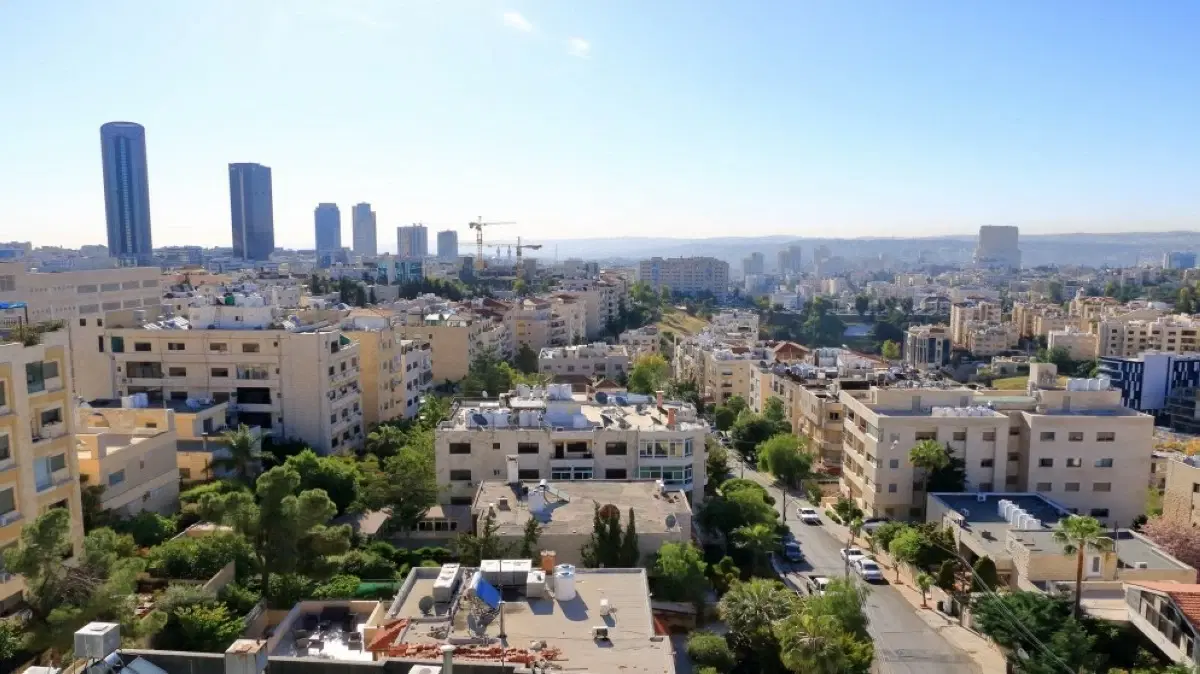
JD 5.1 billion in real estate trading volume.
The indicators reflect the national economy's ability to sustain growth despite regional tensions.
The performance of the national economy exceeded the expectations of international financial institutions.
The sources of improvement in national economic indicators are diverse.
Many national economic indicators—since the beginning of the current year and those that have emerged in the past few days—have taken an upward trajectory, surpassing regional tensions in the area as well as estimates set by international institutions regarding growth rates, economic resilience, and adaptation to difficulties.
The achieved data shows that the national economy has not only demonstrated its usual resilience in the face of regional storms and external shocks, but has also regained recovery momentum in vital sectors led by exports, expatriate remittance inflows, foreign currencies, the performance of the Amman Stock Exchange, and rising investor confidence.
This performance coincided with royal efforts and foreign tours that strengthened the Kingdom's economic relations with many countries, opened new markets and opportunities for exports, attracted investments, and established partnerships serving the national economy.
Economic experts stated that the positive indicators achieved—which were not limited to a specific sector—reflect the national economy's ability to continue growing despite regional tensions and their repercussions on trade, investment, tourism, and supply chains.
They pointed out that government measures related to implementing the Economic Modernization Vision, improving the investment environment, facilitating ease of doing business, and supporting productive sectors and exports have contributed to enhancing the national economy's ability to deal with regional tensions and supporting investor confidence.
The Jordanian Investor Confidence Index for the second quarter of the current year 2026 witnessed a 21.9 percent increase, reaching 186.6 points, compared to 153.1 points in the first quarter of this year.
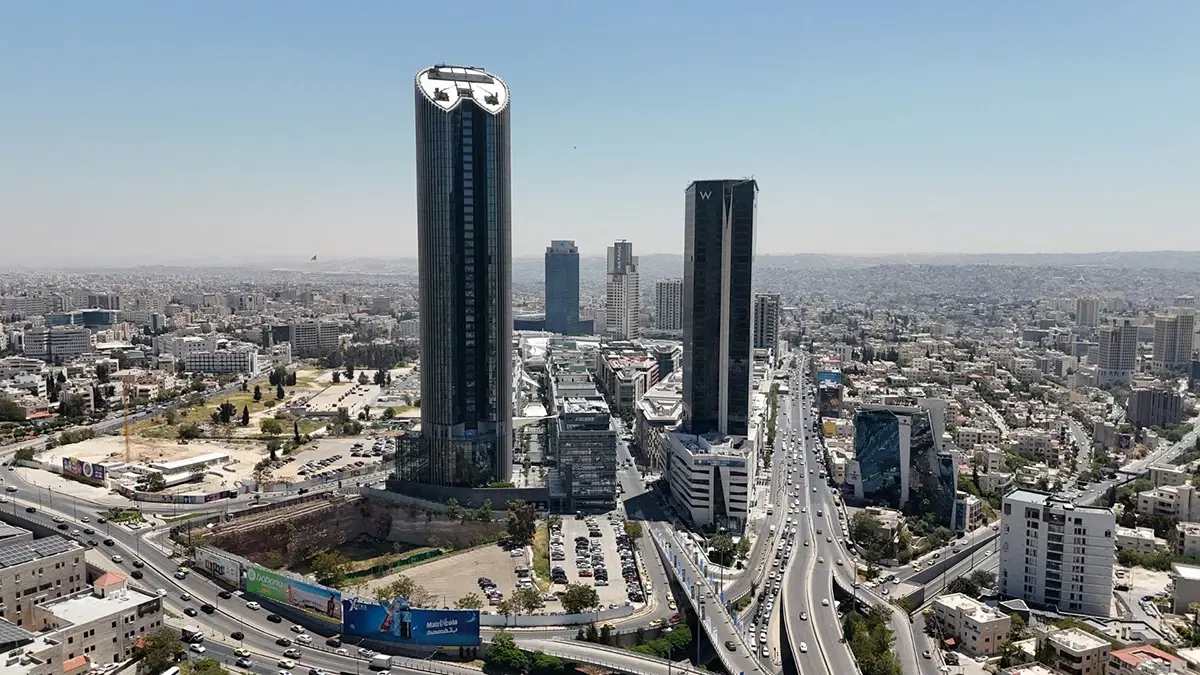
Despite war conditions and their repercussions in the region, Gross Domestic Product grew by 3 percent during the second quarter of the current year 2026, compared to 2.8 percent for the same period last year 2025.
Total exports grew by 10.3 percent during the first seven months of the current year, and tourism income grew by 2.9 percent during the first eight months of the current year, reaching approximately $5.6 billion.
Remittances from Jordanians working abroad continued their strong performance, recording a growth of 14.1 percent during the first seven months of the current year 2026, reaching approximately $3 billion.
Foreign reserves at the Central Bank of Jordan rose to $28.5 billion at the end of last September of the current year, covering the Kingdom's imports of goods and services for approximately 9.2 months.
The Amman Stock Exchange general index rose by 38.2 percent, reaching 4,191 points by the end of last September of the current year, compared to 3,033 points for the same period last year.
Licensed building areas for residential purposes also increased by 10.7 percent during the first seven months of the current year.
Deposits in the banking system rose to JD 51.61 billion in July of the current year, an increase of 3.2 percent over the end of last year.
Jordan achieved a remarkable improvement in the 2026 Global Innovation Index, issued by the World Intellectual Property Organization, reaching 60th globally out of 139 economies, and fifth among Arab countries, continuing its upward performance trajectory within the index.
The number of companies registered in the Kingdom increased by 7.24 percent from the beginning of the current year until September 30 compared to the same period last year.
A report issued by the Companies Control Department showed that the number of companies registered during the past nine months of the current year reached 6,046 compared to 5,638 companies for the same period of the previous year 2025.
According to the monthly report of the Department of Lands and Survey issued on Wednesday, the trading volume in the real estate market during the past nine months of the current year reached about JD 5.1 billion.
Dr. Maher Al-Mahruq, Director General of the Association of Banks in Jordan, stated that the economic indicators recorded since the beginning of the current year reflect the national economy's ability to continue growing and absorb a significant portion of the repercussions of uncertainty and geopolitical tensions witnessed in the region.
He added that the growth in output, exports, remittances, and tourism, along with credit and deposit growth and the continued strength of the banking sector, provides a more comprehensive picture of the national economy's ability to deal with difficult regional conditions.
He emphasized: "Most importantly, the improvement is not limited to a single indicator; the growth of Gross Domestic Product during the second quarter coincided with export growth, improved workers' remittances, tourism income, and investor confidence, alongside comfortable levels of foreign reserves, which reflects a good degree of flexibility and stability in the national economy."
Al-Mahruq pointed out that banking indicators are consistent with what the national economy has achieved, as total credit facilities rose to JD 37.16 billion in July of the current year, with an increase of JD 1.09 billion and a rate of 3 percent compared to the end of 2025, reflecting the continued financing of economic activity by banks.
He indicated that credit growth was distributed across a number of economic sectors, as credit granted to industry increased by about 3.1 percent, general trade by 3.4 percent, transport by 3.9 percent, and services and public utilities by 5.4 percent, during the first seven months of the current year.
He noted the continued growth of financing directed towards small and medium-sized enterprises, as facilities granted to them rose to about JD 3.56 billion by the end of the first half of the current year with an annual growth rate of 4.7 percent, a rate exceeding the growth of total facilities granted to the private sector, which stood at 2.4 percent.
He pointed to the rise in deposits within the banking system to JD 51.61 billion in July of the current year, an increase of 3.2 percent over the end of last year 2025, while deposits of the resident private sector grew by about 4 percent, reaching JD 39.84 billion.
He stated that this data can be read as a positive indicator of continued confidence in the banking system and its ability to mobilize savings and provide a stable funding base for the national economy, enabling it to enter the next phase from a strong financial position capable of continuing its role in financing the economy and dealing with potential risks.
Al-Mahruq stressed the necessity of building upon the positive indicators achieved by the national economy and translating them into higher and more sustainable growth rates by stimulating investment, increasing the competitiveness of productive sectors, and continuing to expand available financing for small and medium-sized enterprises, so as to be reflected more significantly on employment, income, and economic activity.
For his part, Dr. Mohammad Al-Hadab Al-Sarhan, Professor of Financial Accounting at the Business School at Al al-Bayt University, affirmed that the synchronization of rising investor confidence with national economic growth of 3 percent in the second quarter and export growth reflects the national economy's ability to continue growing despite regional tensions and their repercussions on trade, investment, and tourism.
Al-Sarhan said that the importance of these indicators stems from the diverse sources of improvement, as workers' remittances grew by 14.1 percent to approach $3 billion, tourism income rose to about $5.6 billion, and foreign reserves increased in parallel with the positive performance of the Amman Stock Exchange.
He added that this performance coincided with intensive high-level royal efforts that contributed to strengthening Jordan's economic relations, opening new markets and opportunities for Jordanian exports and investments, and transforming the Kingdom's political and diplomatic relations into economic opportunities and partnerships serving the national economy.
Al-Sarhan indicated that government measures related to implementing the Economic Modernization Vision, improving the investment environment, facilitating ease of doing business, and supporting productive sectors and exports have contributed to enhancing the economy's ability to deal with regional conditions and supporting investor confidence.
Economic expert Mounir Daya considered that the national economy was able to achieve positive momentum in several key economic indicators since the beginning of the current year, despite the geopolitical challenges witnessed in the region which negatively affected the economies of the region and the world due to rising energy prices and disruptions in global supply chains and shipping. Nevertheless, the national economy managed to demonstrate great flexibility and achieve positive results, especially in reaching growth rates that exceeded the expectations of international institutions.
He pointed out that the national economy was able to achieve a clear rise in foreign reserves, which reached more than $28 billion as a result of the monetary policies pursued by the Central Bank, which maintained the stability of the dinar exchange rate against the dollar, thereby also contributing to keeping inflation rates within the lowest limits among the countries of the region.
He affirmed that the great efforts led by His Majesty King Abdullah II with various countries around the world had a major impact on the rise in the volume of total exports, while free trade agreements between Jordan, the European Union, and the United States of America contributed to increasing the volume of foreign investment inflows into the Kingdom.
He explained that the policies, procedures, and decisions taken by the government since the onset of regional tensions have contributed to stabilizing the national economy, raised confidence levels in economic activity, enhanced investor and consumer confidence, and increased the national economy's ability to achieve numerous accomplishments and positive indicators.
Dayeh also pointed out that the government is proceeding with the implementation of major economic projects, notably the National Water Carrier, the Aqaba Railway, the Risha Gas, the Amra City, and several projects in various sectors, in addition to implementing economic reforms and executive projects stemming from the Economic Modernization Vision.
For his part, economic specialist Dr. Ahmad Majali affirmed that what is striking about the performance of the national economy since the beginning of the current year 2026 is that the impact of regional tensions has so far remained less than the magnitude of the shock itself, reflecting an important shift in the economy's capacity to adapt to crises.
He said: "It appears that the sources of activity and foreign exchange have become more diversified, such that the decline of a certain channel no longer necessarily means the direct spillover of the effect to the economy as a whole; tourism, remittances, exports, investment, and reserves work collectively as safety margins that help absorb pressures."
Majali added that the continuation of economic activity in this environment signals that the state of regional uncertainty has not turned into a widespread wait-and-see attitude among investors and consumers, stressing the need to invest this stability to raise the growth pace and generate job opportunities.
For his part, economic expert Hussam Ayesh said that economic, financial, investment, and tourism indicators, alongside trade indicators and expatriate worker remittances, reflect a positive performance for the Jordanian economy, despite uncertainty, regional and global pressures, and the rise in energy, shipping, and insurance costs as well as basic commodity prices.
He added that the continuation of growth in Jordan under these circumstances underscores the economy's resilience and ability to absorb external repercussions, and also reflects the level of confidence in the economy and stability in the Kingdom, pointing out that this confidence is no longer tied to ordinary conditions, but has proven its presence in times of crises and turmoil.
Ayesh explained that the economy's performance in some of its indicators has exceeded the expectations of international financial institutions, revealing the presence of latent economic potential that had not received sufficient appreciation, especially in the areas of logistics services and handling via the Aqaba port, alternative trade routes, and productive and compensatory capacities in a number of sectors.
He pointed out that the rise in exports and the improvement in tourism revenues, alongside the continued rise in foreign currency reserves and their ability to cover about nine months of imports, represent indicators of the continued economic activity and confidence in the national economy.
He affirmed that the calm management of regional repercussions, and prior preparedness through strategic reserves of energy and basic commodities, have contributed to mitigating the impacts of external shocks, explaining that Jordan is gradually transitioning from the stage of managing economic stability to the stage of managing growth and economic performance under pressure.
Ayesh noted that current performance indicators confirm that the Jordanian economy rests on more coherent foundations, and that the Economic Modernization Vision has begun to reflect on actual performance.
Know more about this story?Send us a tip
Ask about this report — answers stay grounded in its text.