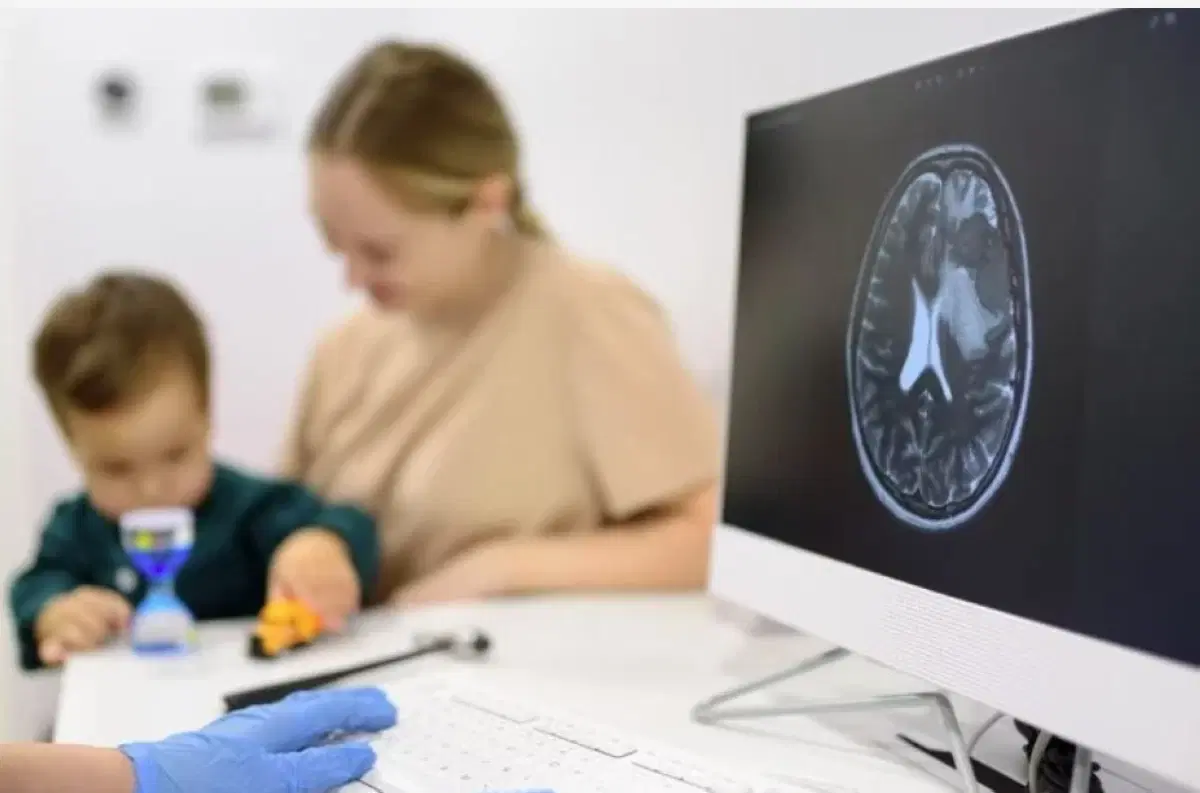
Study: Artificial Intelligence reduces false alarms for epileptic seizures by 80%
Agencies2 min read
Share
A study published in the journal "Nature Medicine" on October 13, 2026, demonstrated the possibility of reducing false alarms detected by automated epilepsy seizure detection systems by 80%, by leveraging patient feedback and their interactions with an AI-based system.
Researchers developed an experimental platform that connects electroencephalogram (EEG) data to an AI model that communicates with patients via a smartphone app, displaying information related to sleep, medication, cognitive abilities, and seizure probabilities, while allowing the patient to record symptoms and comment on alerts.
The study included 13 patients who underwent in-hospital epilepsy monitoring, including 11 patients using scalp EEG and two patients using intracranial electrodes.
A simulation of the system's performance improvement using patient feedback showed an 80% reduction in the false alarm rate during the monitoring period, with improvements in some performance indicators of the seizure detection algorithm.
The system allows patients to report alerts they believe do not represent actual seizures, which helps improve the algorithm's performance iteratively.
However, the researchers clarified that the results represent a preliminary proof of concept, and the limited study is not sufficient to prove the system's effectiveness for widespread clinical use. This does not mean the technology has become a substitute for doctors or established diagnostic methods.