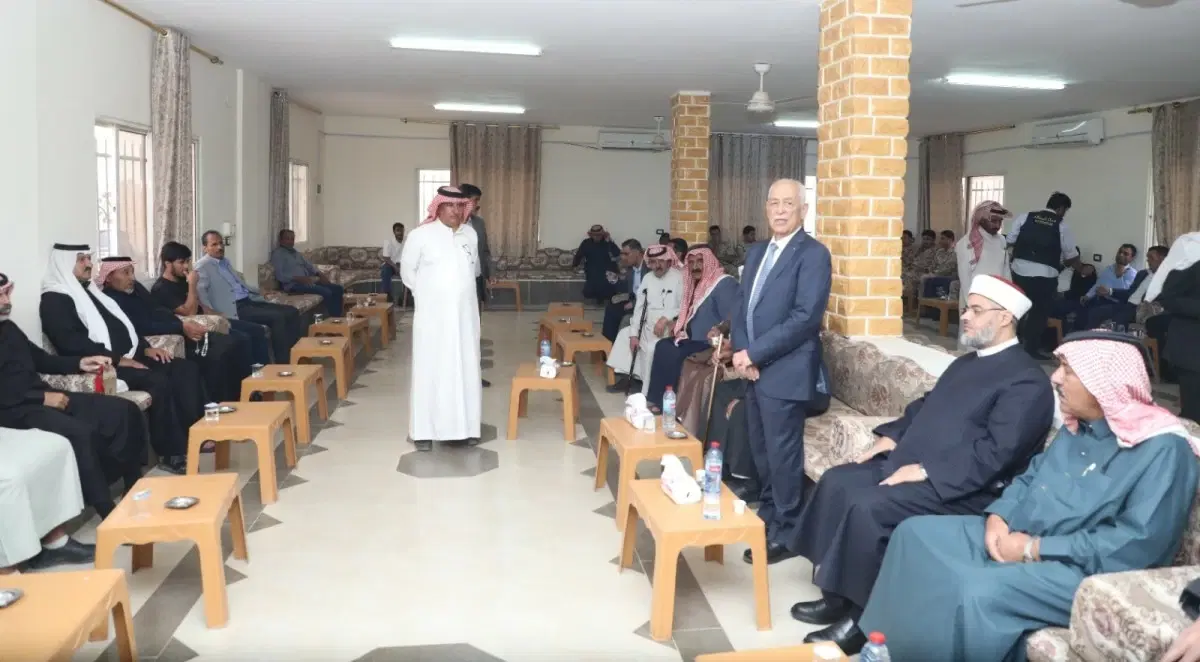
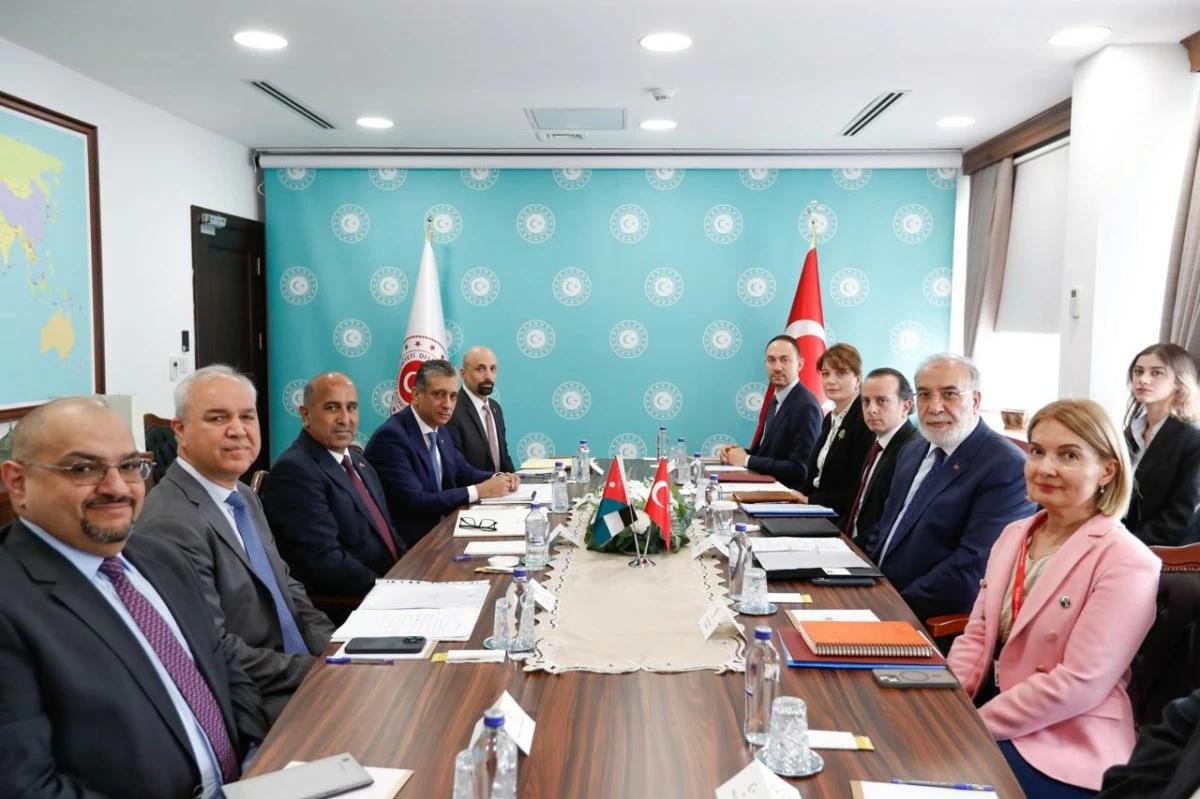
This honor comes in recognition of Sheikh Abdullah bin Bayyah's scientific and intellectual career, his contributions to consolidating the values of wisdom, moderation, and reconciliation, and his initiatives and contributions in the service of peace, dialogue, and human fraternity from his position as Chairman of the UAE Fatwa Council and President of the Abu Dhabi Forum for Peace. The honor also reflects the depth of the brotherly and historical relations that unite Jordan and the UAE, and the bonds of love, appreciation, and cooperation that link the leaderships and peoples of the two countries.
In the opening session of the 19th Conference of the Royal Aal al-Bayt Institute for Islamic Thought, titled "The Nation's Priorities in the Next Twenty-Five Years," which continues until Friday, September 11, Sheikh Abdullah bin Bayyah delivered a speech on behalf of the members of the Royal Aal al-Bayt Academy. In it, he emphasized the depth of the bonds of brotherhood and solidarity that unite Jordan and the UAE, and the UAE's steadfast support for Jordan through thick and thin, to preserve its sovereignty, security, and stability, stressing that "Jordan's security is the UAE's security, and its stability is its stability," and vice versa.
Bin Bayyah praised the work of the Royal Aal al-Bayt Institute for Islamic Thought in serving Islamic thought, bringing scholars together, and reviving the approach of moderation and wisdom. He also noted the "A Common Word Between Us and You" initiative, and the qualitative shift it represented in the path of interfaith dialogue, as it contributed to making the Islamic side a proactive partner that derives the principles and values of dialogue from the source of revelation and the heritage of Islamic civilization, presenting them to the world in a universal human language.
Bin Bayyah pointed out that the Abu Dhabi Forum for Peace, as an institution launched from the vision of the United Arab Emirates to consolidate the values of peace, tolerance, and coexistence, has continued to contribute by presenting initiatives that draw inspiration from the authenticity of Islamic heritage and respond to the challenges of the era, most notably the "Marrakesh Declaration," the "New Alliance of Virtue Charter," and the "Abu Dhabi Document on Comprehensive Citizenship." These initiatives embody the UAE's message of building bridges of dialogue and promoting human fraternity, offering the world ethical frameworks and human wisdom that have received appreciation and acceptance from dialogue partners in the East and the West.
He touched upon the concept of the "Ummah" (Nation) and the breadth of its significance in Islamic heritage, explaining that this term is applied to "every group united by something, whether it be one religion, one time, or one place," and that circles of gathering multiply with the multiplicity of the unifying factor, without them clashing or excluding one another.
Bin Bayyah explained that human societies are organized, in contemporary reality, into sovereign nation-states, and that the modern nation-state, with all its legitimacy and legality, is the vessel that preserves the security of societies and achieves their interests. Each state has its own priorities that are formed in light of the interests of its people, its resources, its circumstances, its historical legacy, and its contemporary context.
He stressed that maintaining and consolidating peace represents a common priority and a cradle for all other priorities, saying: "Peace begins with the stability of states, expands through cooperation between them, and upon its foundation, development is built and all other priorities are achieved."
He also emphasized the necessity of adhering to obedience and discipline, and avoiding conflict and discord in times of crisis, in a way that preserves the order and stability of society and protects its unity, recalling the lesson of Hudaybiyyah and what it embodies in terms of the fruits of compliance, unity of ranks, and the jurisprudence of consequences, as well as the lesson of Uhud and what it reveals about the consequences of conflict and disobedience.
In concluding his speech, Bin Bayyah said: "If it were for someone like me to offer you advice, and you are the wise leaders and eminent scholars, then the essence of the duty of the hour is a few comprehensive words: in times of crisis, adherence to obedience and discipline, and avoiding conflict and discord, is confirmed." He concluded that the nation, with its states and societies, is in dire need of a jurisprudence that unites rather than divides, a word that reconciles rather than corrupts, and wisdom that extinguishes the fire instead of fueling it further.