President of the Syrian Criminal Court: In absentia sentences issued against Bashar and Maher al-Assad, and their pursuit via Interpol
Amman3 min read
Share
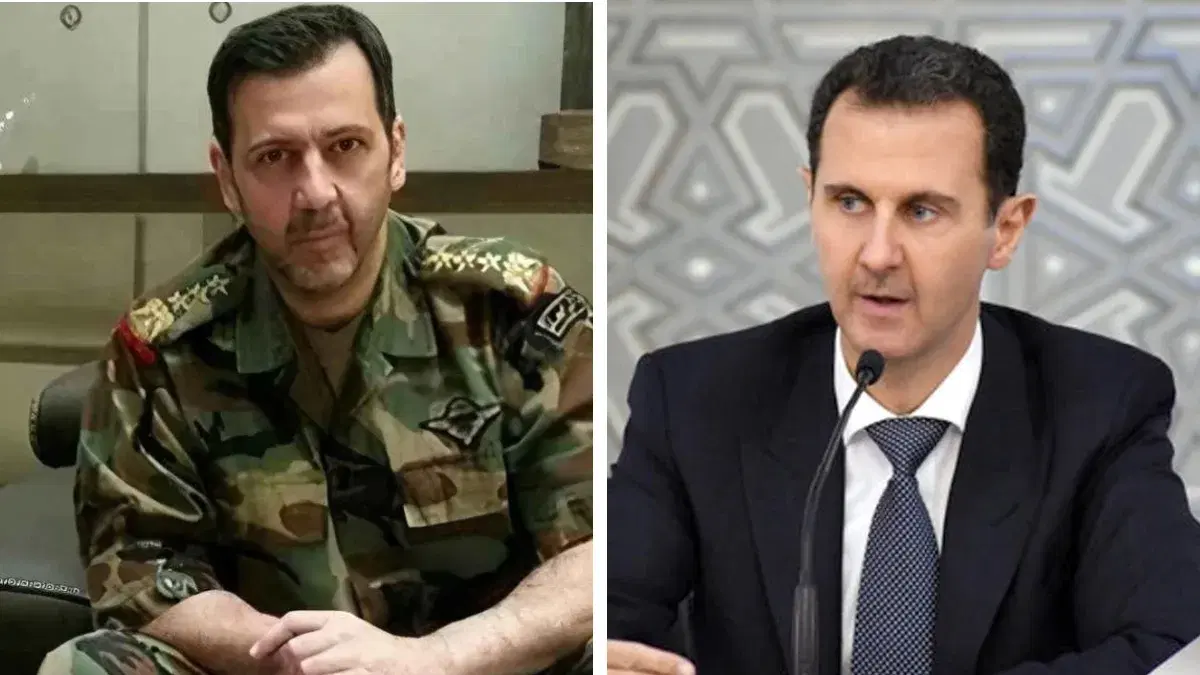
The President of the Fourth Criminal Court in Syria, Fakhr al-Din al-Aryan, confirmed that the in absentia sentences issued against the ousted Syrian President Bashar al-Assad, his brother Maher al-Assad, and a number of former officials carry legal consequences, noting that they have been sent to the International Criminal Police Organization "Interpol" to take the necessary measures in accordance with legal procedures.
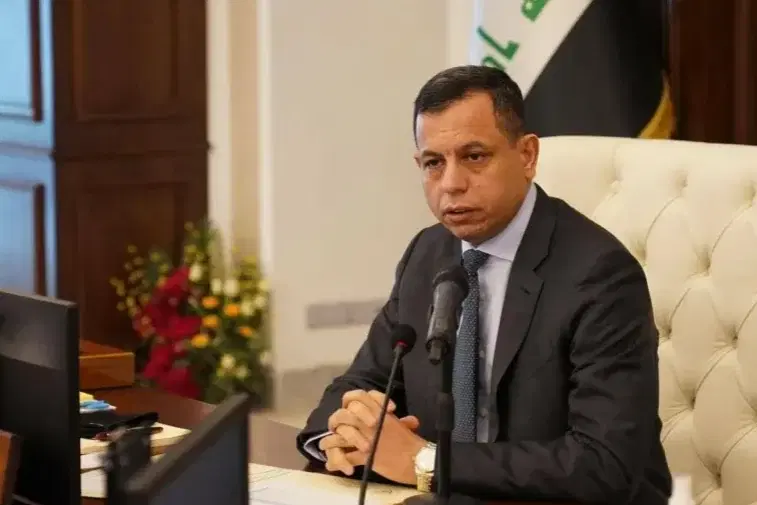
Al-Aryan said on Thursday that the Fourth Criminal Court, which specializes in transitional justice cases, is one of the courts affiliated with the Syrian judiciary and the Supreme Judicial Council, includes Syrian judges, and applies Syrian laws, emphasizing that it is not a special or exceptional court.
He added that the court has examined four prominent cases related to grave violations, while it is currently reviewing about 61 other cases, which are being handled in accordance with approved legal procedures.
In absentia sentences and retrial
Al-Aryan explained that in absentia sentences aim to ensure the continuation of litigation proceedings and not to disrupt the path of justice, noting that they are not considered final judgments, as trial proceedings are reopened upon the arrest of the convicted persons or their surrender, leading to the issuance of in-person judgments against them.
Regarding the sentence issued against Bashar al-Assad, al-Aryan said that the judgment is based, as he stated, on evidence related to responsibility for issuing orders within the chain of command, and not merely on his holding the position of President of the Republic.
He pointed out that the concealment of evidence and documents before the fall of the previous regime increases the difficulty of the court's work, especially in cases related to missing persons and determining the fate of detainees, as their families continue to search for information about them.
Witness protection and victims' rights
Al-Aryan confirmed that the court follows procedures to protect witnesses and evidence related to the parties to the lawsuits, including victim and defendant witnesses, noting the court's response to a request in the Atef Najib case regarding hearing protected witnesses using secret numbers.
He added that the court decided to confiscate the assets of the convicted persons and deposit them in a special fund until a reparations fund is established, with the aim of guaranteeing the rights of victims who were unable to participate in judicial proceedings or file personal injury claims.
Al-Aryan stressed the continuation of the transitional justice process, emphasizing the necessity of guaranteeing the legal rights of both defendants and victims, and prosecuting those involved in violations in accordance with judicial procedures.
The Fourth Criminal Court in Damascus had previously issued, during the past period, sentences against a number of former officials in the Syrian regime, including Bashar al-Assad and Maher al-Assad, as well as military and security leaders and political and religious figures.
The sentences, according to the information received, ranged between death and life imprisonment, and included in-person sentences against Atef Najib, Waseem al-Assad, and Ahmad Hassoun, and other in absentia sentences against defendants outside the country.