OPEC+ production rises in September led by Saudi Arabia
Amman2 min read
Share
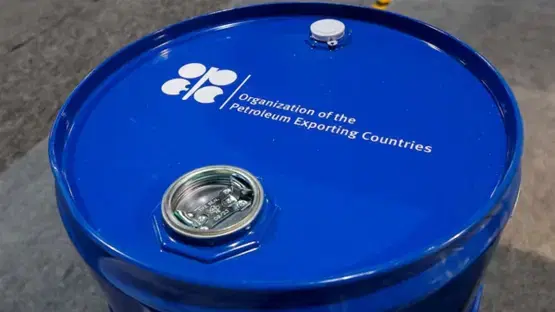
The Organization of the Petroleum Exporting Countries (OPEC) said on Tuesday that the OPEC+ alliance recorded a sharp rise in production during September, driven by an increase in Saudi production despite ongoing disruptions to shipments through the Strait of Hormuz caused by the Iran war.
In a monthly report, the organization stated that the OPEC+ alliance, which includes OPEC countries and allies such as Russia, pumped an average of 39.07 million barrels per day during September, an increase of nearly 900,000 barrels per day from August.
OPEC's figures, which are based on secondary sources, add to indicators that have emerged in the past few weeks of a recovery in oil supplies from Gulf countries, although shipments remain below the levels they were at before the outbreak of the Iran war at the end of February.
Saudi Aramco, the state-owned company, increased oil loading operations from export terminals in the Gulf in September after an attack on the East-West pipeline disrupted its shipments via the Red Sea.
The OPEC report showed that Saudi Arabia, the organization's largest producer, informed it that it pumped 8.372 million barrels per day of crude in September, an increase of more than two million barrels per day compared to August.
Russian production decline in September
In contrast, the report stated that Russia's oil production fell by 38,000 barrels per day last month. Russia's production is declining in light of Ukrainian strikes on its energy infrastructure, including oil refineries.
OPEC also lowered its forecast for oil demand growth for 2026 for the sixth consecutive month, and raised its forecast for next year, citing the world's need to rebuild inventories depleted by the Iran war.
OPEC said global oil demand is expected to rise by 2.55 million barrels per day next year to an average of 108.3 million barrels per day. The organization expects growth of 180,000 barrels per day in 2026.
OPEC added, "This is on the assumption that oil demand in 2026 will indeed decline as currently expected, and that it will increase again next year due to the need to replenish oil stocks."
Governments and energy companies have drawn oil from inventories to ease pressure on the global oil market, which is facing unprecedented supply disruptions this year due to the wars in the Middle East and Ukraine.