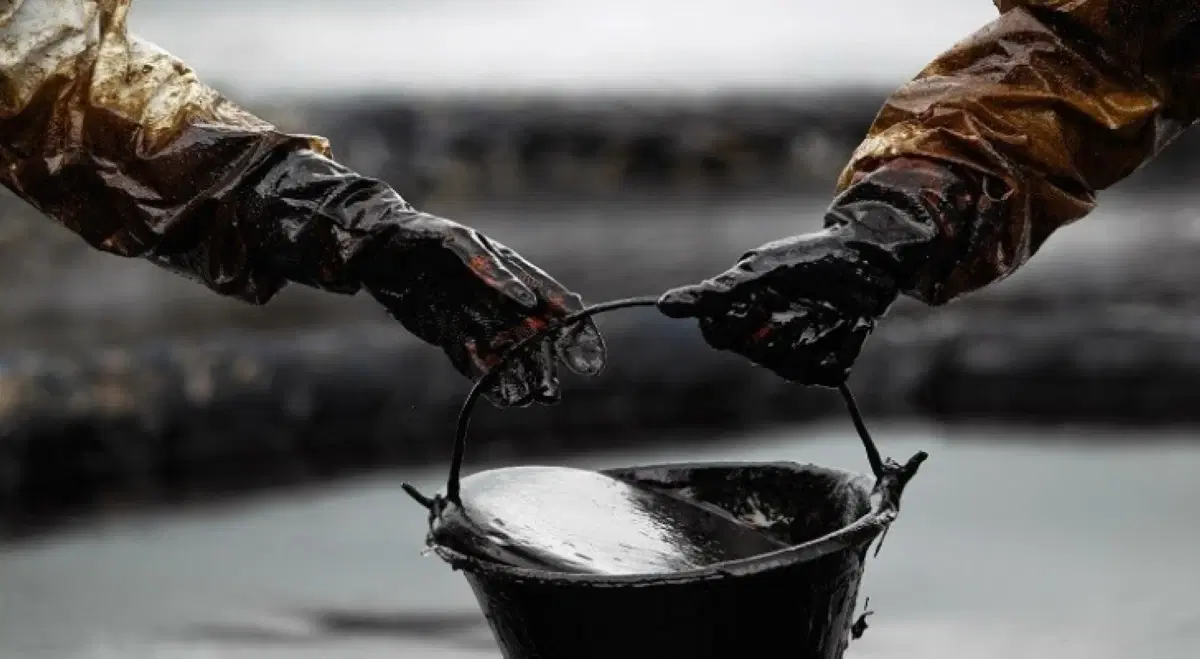
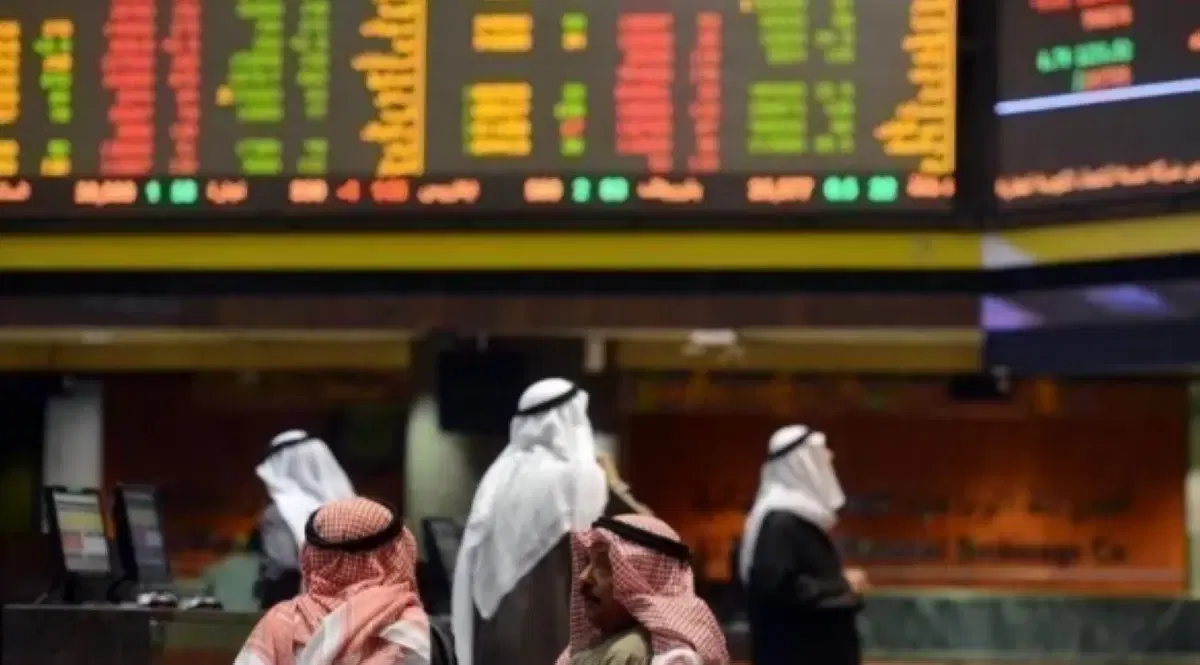
Oil prices fell on Monday, as higher Middle East crude exports and draws from G7 oil stockpiles added to supply, offsetting concerns about further damage to oil infrastructure in the Gulf amid the US-Israeli war on Iran.
Brent crude futures dropped 66 cents, or 0.65%, to $101.59 a barrel by 02:40 GMT, while US West Texas Intermediate (WTI) crude was at $90.12 a barrel, down 95 cents, or 1.03%.
Brent gave up most of its gains from last week, while WTI fell 1.6% after G7 nations agreed on Friday to draw down 100 million barrels of diesel and crude from emergency reserves, and pledged not to impose energy export restrictions following pressure from US President Donald Trump.
The drawdowns, along with Middle East crude exports that rose above pre-war levels for four of the seven days in the last week of September, as shipping data showed on Monday, despite attacks on ships passing through the Strait of Hormuz, will add to supply.
"The G7's decision to draw down strategic reserves eases some immediate supply concerns for prices, while the belief that Saudi export volumes are returning to pre-war levels, even if these barrels are still moving at a higher cost and less efficient routes, is growing," said KCM Trade analyst Tim Waterer.
He added, "This mix is enough to hold prices in check for now, although the risk of further damage to Gulf energy infrastructure is not gone."
The Houthis said they launched ballistic missiles and drones at Saudi Aramco sites in Riyadh and the Khurais area of Saudi Arabia, in response to 50 Saudi-led airstrikes and missile attacks in Yemen over the past 12 hours. There has been no confirmation from Saudi Arabia.
The internationally recognized Yemeni government, backed by Saudi Arabia, said on Sunday it was launching a major military campaign to retake all areas of the country held by the Iran-aligned Houthis. Meanwhile, Aramco unexpectedly cut November crude prices for Asia to their lowest in six years.
ING analysts said in a note that Brent prices remain above $100 a barrel due to ongoing geopolitical tensions and increasing attacks on commercial ships in the Gulf.
OPEC+ has postponed a review that would have set oil production quotas for its members in 2027, after the war on Iran disrupted energy capacity expansion projects across the Middle East, casting uncertainty over future production potential estimates, according to two sources.
In Europe, Ukrainian President Volodymyr Zelenskyy told Reuters in an interview published on Saturday that Ukraine will intensify attacks on Russian oil refineries.