Netanyahu calls for forming a strong right-wing government and rejects relying on Arab parties
Agencies2 min read
Share
Israeli Prime Minister Benjamin Netanyahu pledged on Wednesday to form a strong right-wing government, despite the close results of exit polls in the Israeli legislative elections, refusing to form a government that relies on the support of Arab parties, which have made significant gains.
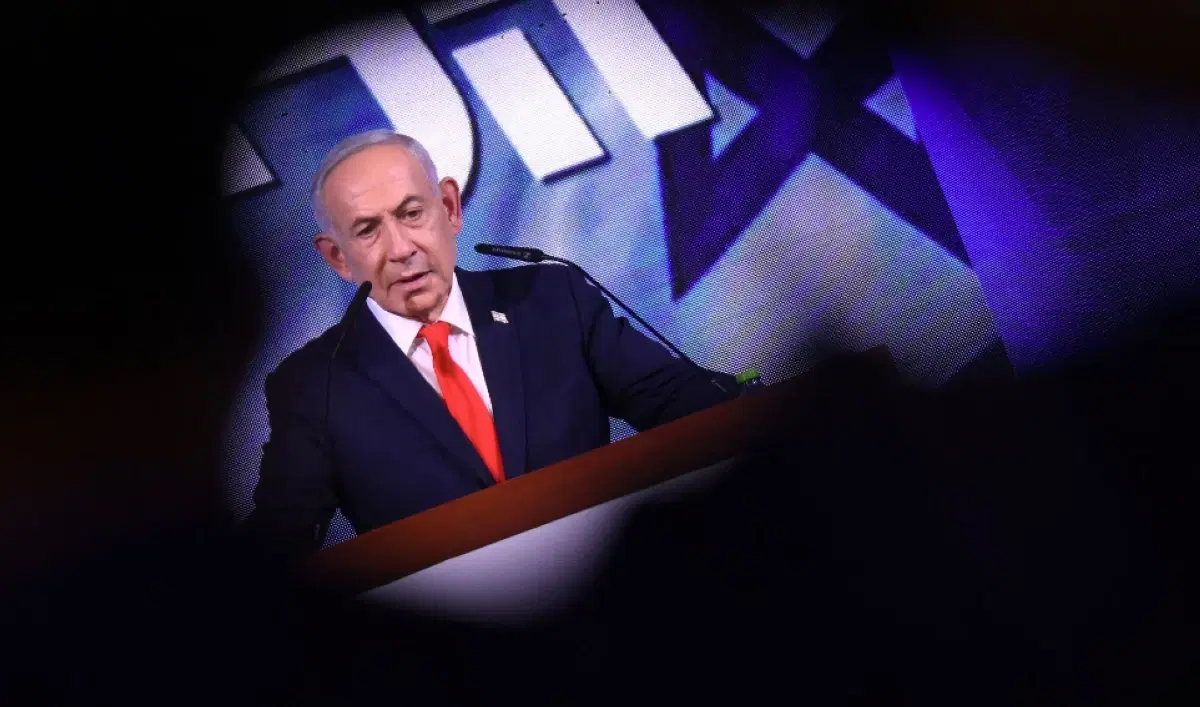
In a speech to his supporters in occupied Jerusalem, Netanyahu said that the right-wing camp possesses a decisive majority that necessitates the formation of a strong and cohesive government, adding, "The Jewish and Zionist majority must unite, and a government based on the support of Arab parties cannot be accepted."
He asserted that the final results will prove that his Likud party remains the largest political party in Israel, without directly declaring victory.
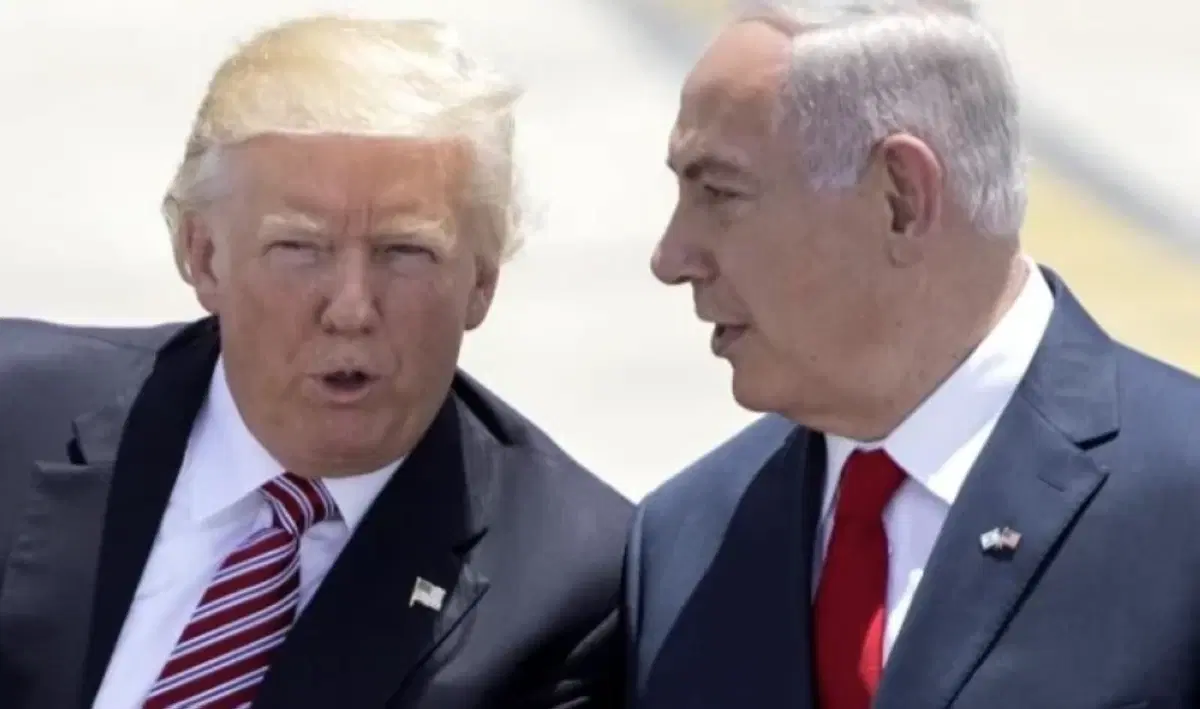
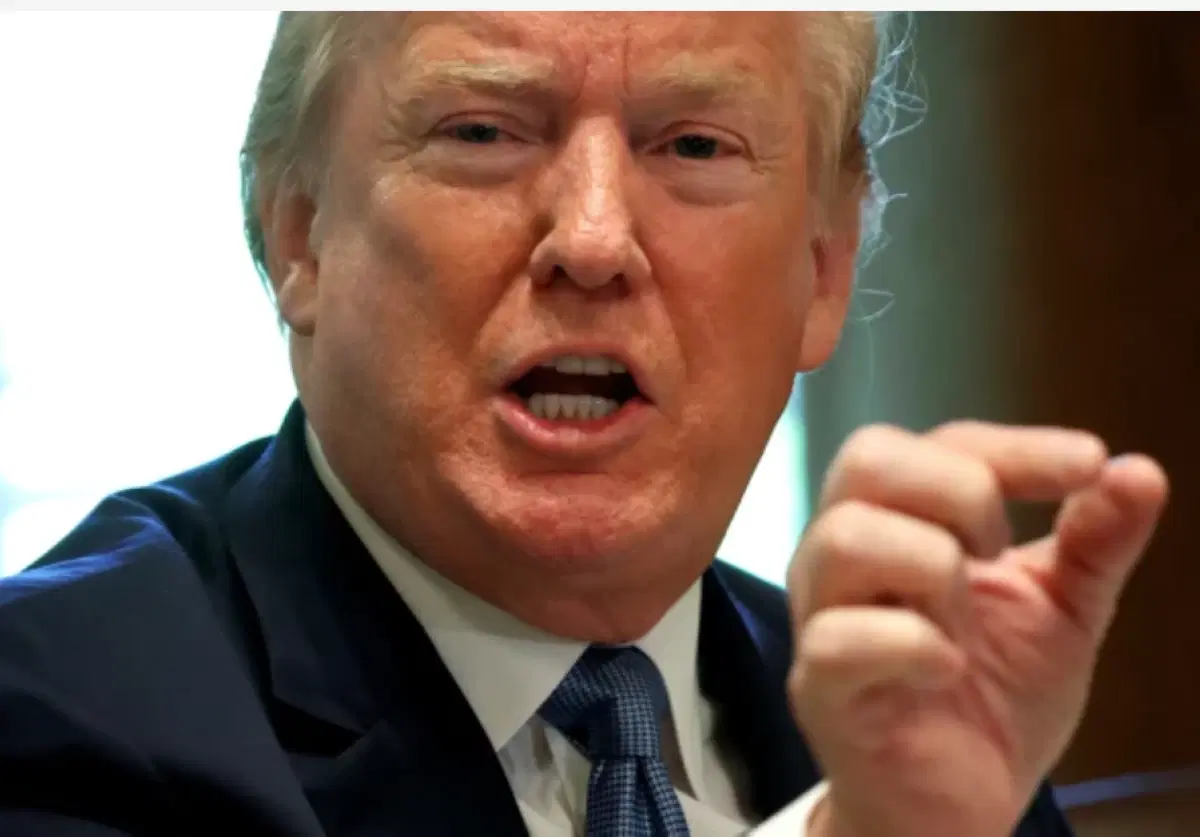
Netanyahu addressed the confrontation with Iran, saying that his government has established new rules that have changed the features of the Middle East and weakened Tehran, vowing to eliminate what he described as the Iranian threat "forever" in cooperation with US President Donald Trump.
Netanyahu's remarks came after elections that saw a turnout of 77.7%, the highest since 1999, amid a close race between his coalition and the opposition coalition led by former Israeli Chief of Staff Gadi Eizenkot.
Initial polls showed a slight lead for the opposition, before estimates shifted overnight to put the two camps on equal footing, in light of significant gains made by Arab parties that could grant them a decisive role in determining the identity of the next government.
For his part, Eizenkot pledged to work quickly to form a new government, despite neither camp securing the majority required to form one, which is 61 seats in the Knesset.
Eizenkot had previously announced his refusal to form an alliance with Arab parties to form a government, which further complicates the opposition's chances of reaching power.
These elections are the first since the events of October 7, 2023, in Gaza, which placed Netanyahu's political future to a decisive test, in light of accusations from his opponents that he bears responsibility for the security failures that preceded the attack, and his refusal to form an independent commission of inquiry.
A state of anticipation prevailed at the Likud and opposition headquarters as the polls were released, while both sides await the vote counting results to determine the balance of power and the chances of forming the next government.