Minister of Awqaf: Islamic Sukuk are a liquidity-providing financing tool
Amman5 min read
Share
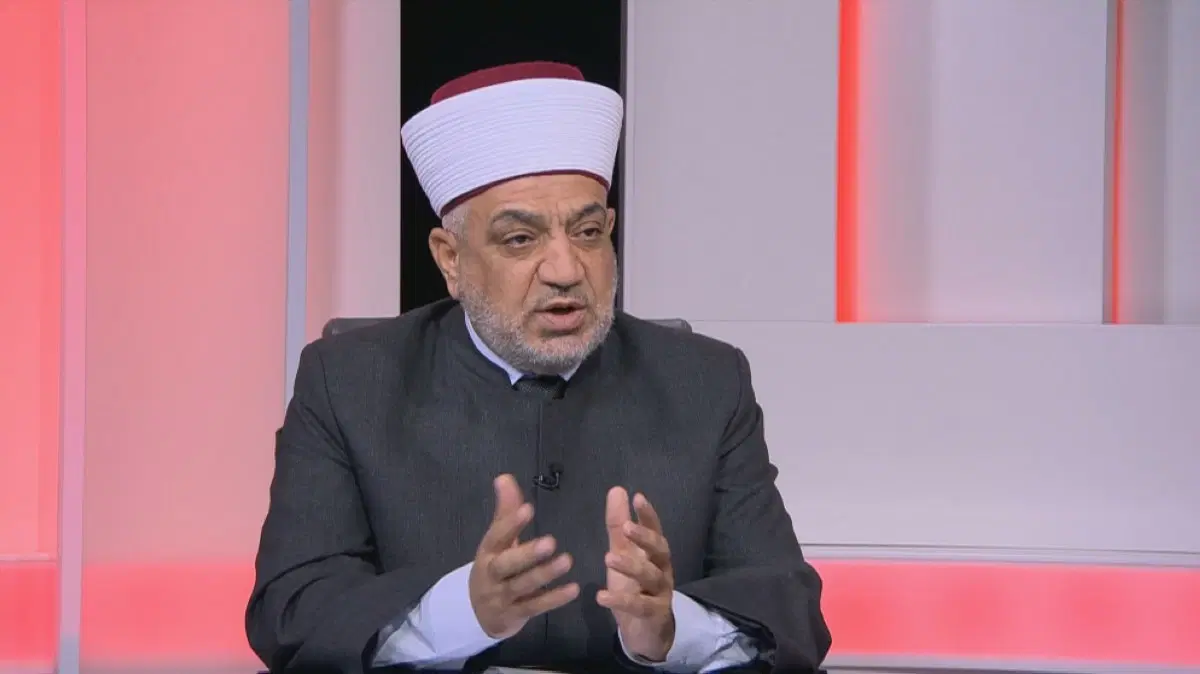
Minister of Awqaf, Islamic Affairs and Holy Sites, Mohammad Al-Khalayleh, said that Jordan was one of the first countries in the world to establish a law in the 1980s called "Mudaraba Bonds," based on a Sharia-compliant financing instrument, noting that the Islamic Sukuk Law has replaced the Mudaraba Bonds Law.
Al-Khalayleh added that Sukuk are a document that proves to its holder a specific share in a project, and it is an innovative financing method in Islamic Sharia that complies with its provisions.
He pointed out that the government has expanded its securitization operations and promoted Islamic Sukuk operations as an Islamic financing tool free from usurious interest, explaining that these operations provide liquidity and utilize existing liquidity, especially in Islamic banks.
Al-Khalayleh indicated that Jordan has four Islamic banks that generally do not work with bonds because the banking law in Jordan obligates them to operate in accordance with the provisions of Islamic Sharia, pointing to the possibility of utilizing the liquidity available to them through Islamic Sukuk and Islamic financing tools that provide the necessary funding and comply with the provisions of Islamic Sharia.
Regarding the Greater Amman Municipality Sukuk, Al-Khalayleh explained that they are Ijarah (leasing) Sukuk ending in ownership, based on selling a group of land plots and then leasing them back through a lease ending in ownership, and using the proceeds of the Sukuk for operations within the Municipality, whether to pay off debts or to implement projects.
He added that Sukuk holders receive a percentage of the profits over 10 years, and they benefit from market stimulation operations and earning profits that comply with the provisions of Islamic Sharia.
Al-Khalayleh said that Islamic Sukuk operations in the world have witnessed progress and reached significant figures, noting that the government has significantly activated Sukuk operations within the Kingdom and utilized the liquidity available in banks.
He emphasized that expanding into securitization and Islamic Sukuk operations is available to institutions and companies, calling for moving away from the old and traditional pattern of interest-bearing loans and expanding into securitization and Islamic Sukuk operations, due to their benefits and savings instead of the accumulation of usurious loans.
Regarding the role of the Ministry of Awqaf and its powers in this procedure, Al-Khalayleh explained that there is a Sharia committee at the Securities Commission formed by a decision of the Iftaa Council, and the Sharia Supervisory Board includes five members, while the Board of Commissioners of the Securities Commission includes four commissioners specialized in Islamic economics and Islamic affairs.
Regarding the Greater Amman Municipality Sukuk, Al-Khalayleh explained that they are Ijarah (leasing) Sukuk ending in ownership, based on selling a group of land plots and then leasing them back through a lease ending in ownership, and using the proceeds of the Sukuk for operations within the Municipality, whether to pay off debts or to implement projects.
He added that Sukuk holders receive a percentage of the profits over 10 years, and they benefit from market stimulation and earning profits that comply with the provisions of Islamic Sharia.
Al-Khalayleh said that Islamic Sukuk operations in the world have witnessed progress and reached significant figures, noting that the government has significantly activated Sukuk operations within the Kingdom and utilized the liquidity available in banks.
He emphasized that expanding into securitization and Islamic Sukuk operations is available to institutions and companies, calling for moving away from the old and traditional pattern of interest-bearing loans and expanding into securitization and Islamic Sukuk operations, due to their benefits and savings instead of the accumulation of usurious loans.
Regarding the role of the Ministry of Awqaf and its powers in this procedure, Al-Khalayleh explained that there is a Sharia committee at the Securities Commission formed by a decision of the Iftaa Council, and that the Sharia Supervisory Board consists of five members, while the Board of Commissioners of the Securities Commission includes four commissioners specialized in Islamic economics and Islamic affairs.
He indicated that Sukuk operations pass through the Sharia Supervisory Board to ensure their agreement and consistency with the provisions of Islamic Sharia, and they also pass through the Board of Commissioners, noting that he, in his capacity as a government minister, a specialist in Islamic Sharia, with experience in Islamic economics, and a member of the Iftaa Council, has a role in overseeing the appointment of the members of the Sharia Supervisory Board and the commissioners, provided that the commissioners are appointed with the approval of the Council of Ministers.
Regarding the expected return on Sukuk, Al-Khalayleh said that the return is not fixed, but rather an expected return, explaining that the difference between securitization operations and usurious loans is that the return in Sukuk results from selling assets and leasing them back through a lease ending in ownership, not from a usurious loan.
He added that setting an expected profit percentage, such as 5% or 4%, does not mean that it results from a usurious loan, but rather from a sale and purchase process that complies with the provisions of Islamic Sharia, emphasizing that this is the fundamental difference between the two processes.
Al-Khalayleh pointed out that Jordan possesses an excellent legislative and investment environment, characterized by security, safety, and the stability of the currency and monetary system in Jordan, calling on companies, institutions, and investors to enter into securitization operations and promote the idea.