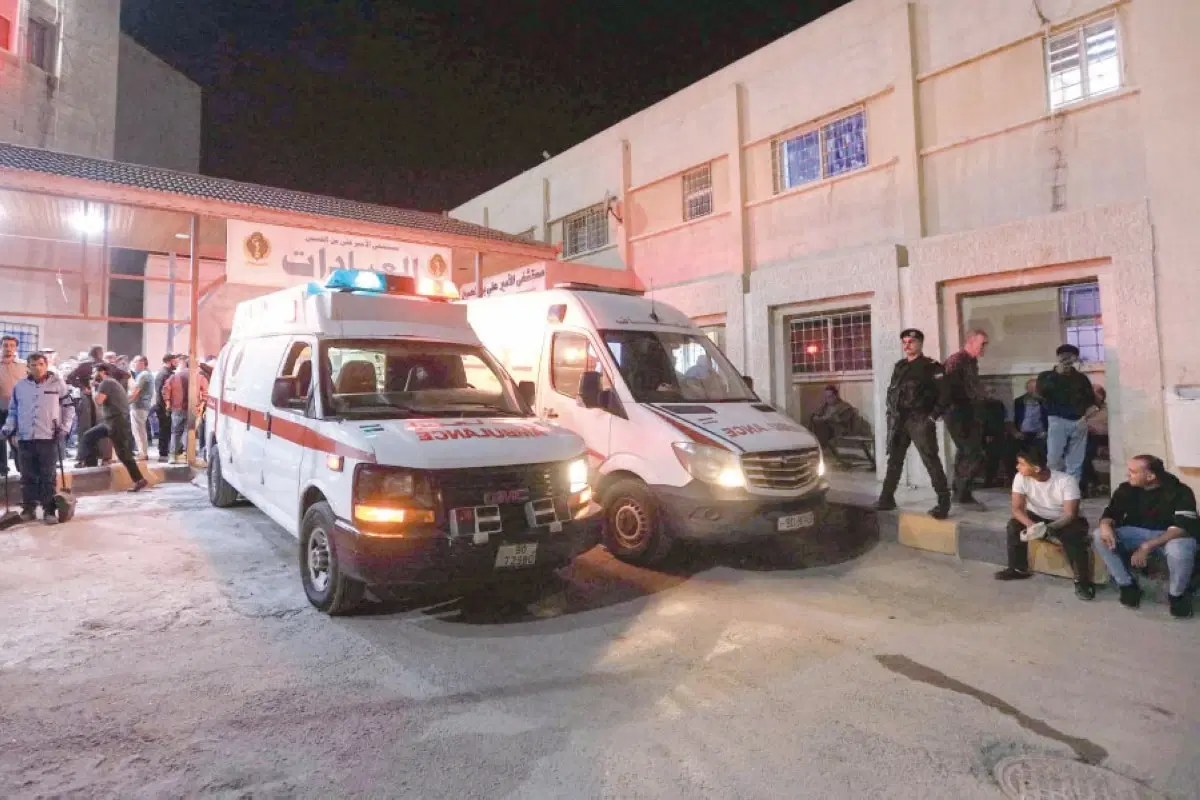
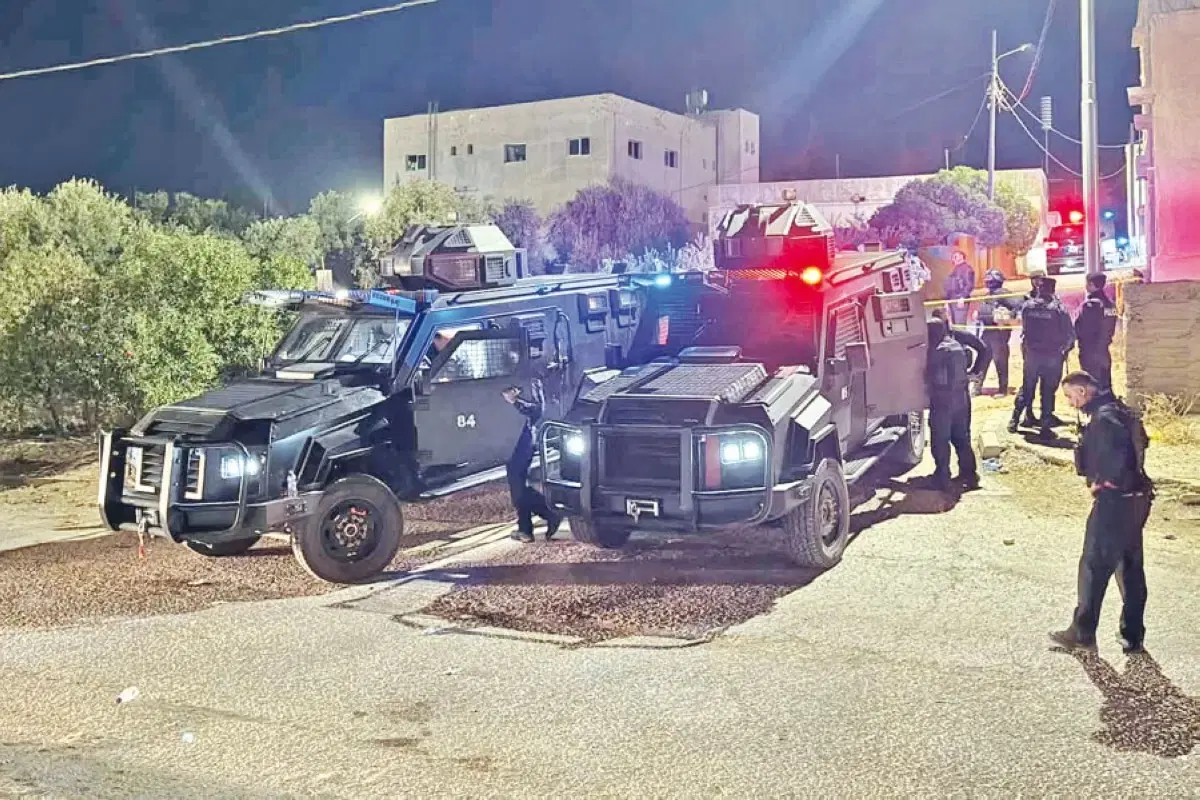
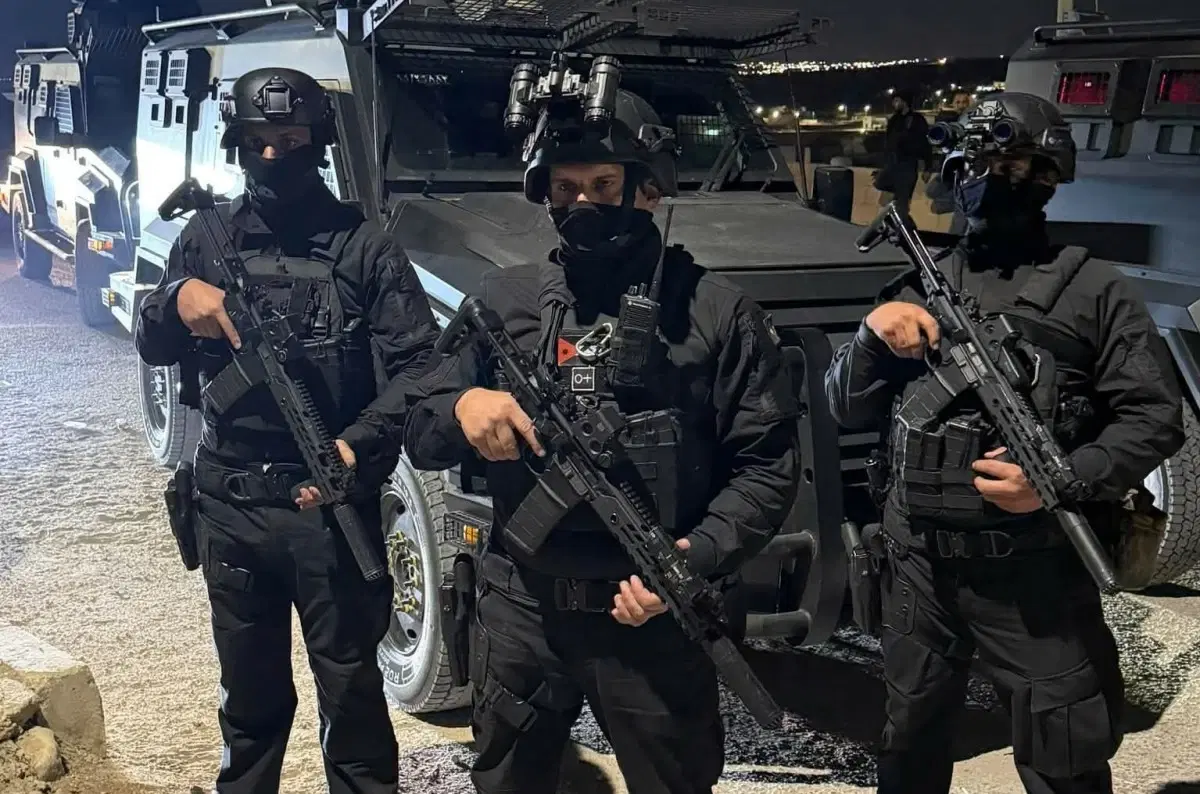
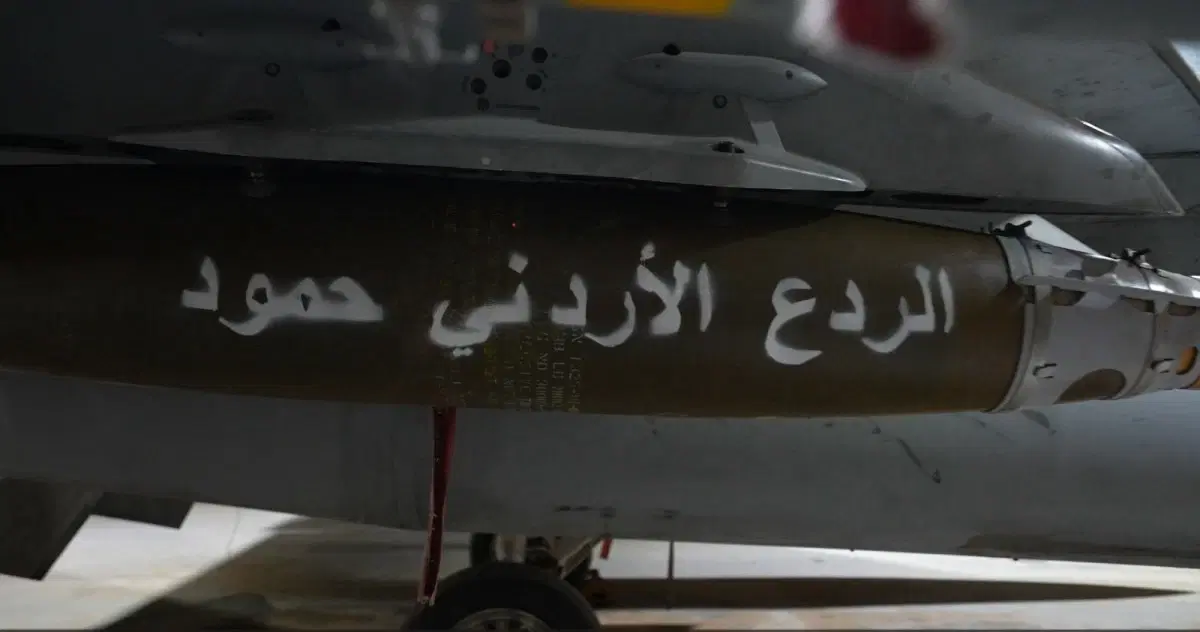
In this context, health expert Dr. Abdul Rahman Al-Maani emphasized that effective communication constitutes a fundamental pillar in managing health crises, as the success of the response is not measured solely by the speed at which the injured arrive at hospitals, but by the institutions' and cadres' ability to manage information, coordinate efforts, and handle the humanitarian and psychological needs of the injured and their families.
Al-Maani explained in a statement to "Alrai" that events resulting in mass injuries impose exceptional challenges on health institutions, calling for a clear communication system connecting ambulance teams, emergency departments, operating rooms, intensive care, and authorities responsible for crisis management.
He pointed out that exchanging information immediately and accurately helps determine the number of injured, the nature of their injuries, and their treatment needs, and contributes to distributing cases according to available capabilities, thereby reducing crowding and delays in providing care.
He stated that the Ministry of Health plays a pivotal role in coordinating the response, following up on hospital readiness, and providing medical supplies in cooperation with various health institutions, stressing that the clarity of responsibilities and communication channels among concerned parties enhances the efficiency of handling emergency cases.
Al-Maani noted that communicating with the families of the injured represents one of the important humanitarian aspects that should not be overlooked during crises, especially since the state of anxiety and fear experienced by families may worsen in the absence or contradiction of information.
He explained that providing clear and updated information regarding the condition of the injured, within medical regulations that protect their privacy, contributes to alleviating anxiety, strengthening confidence in the measures taken, and reducing the state of confusion that may accompany major events.
He stressed the importance of allocating clear channels of communication with families and designating responsible entities to provide them with information, rather than leaving them facing multiple sources that may transmit inaccurate or incomplete information.
He stressed that the humane treatment of the injured and their families, listening to their concerns, and answering their inquiries in a clear and empathetic manner must be an integral part of the health response, rather than a secondary procedure that comes after providing treatment.
According to Al-Maani, exceptional events often witness rapid dissemination of information via social media, which doubles the importance of regular official communication with citizens and the media.
He noted that delayed information or the absence of updates may open the door to the spread of rumors and inaccurate estimations regarding the number of injured and their health conditions, thereby increasing societal anxiety and placing additional pressure on the concerned institutions.
He emphasized the necessity of adopting a clear official source for health information related to the injured and providing reliable updates that respect patient privacy and clarify what can be announced without harming the workflow of medical operations.
Al-Maani explained that doctors, nurses, and paramedics bear doubled professional and humanitarian responsibilities during mass injuries, as they work under time pressure to handle cases that may require urgent life-saving interventions.
He pointed out that effective response requires the integration of roles across various medical specialties, starting from ambulance and emergency all the way to surgery, intensive care, and blood banks, alongside providing necessary support to cadres facing significant psychological and professional pressures.