Historically, the coffee cup has been associated with the "Al-Rai" newspaper; where the meeting of the fragrance of paper and ink with the morning coffee aroma represents a unique case and a daily association that Jordanians have been accustomed to for over fifty years to start their day and inquire about the news.
This local passion intersects today with striking global figures, as the planet's inhabitants consume about 2.25 billion cups of coffee daily, making it the second most traded commodity in global markets after crude oil.
On the local level, the coffee sector is no longer just traditional cafes and roasters, but has become a prominent economic and commercial pillar; official data indicate that the volume of the Kingdom's coffee bean imports is continuously growing to meet market demands, amidst a noticeable spread of specialized cafes and supply chains that attract huge investments and provide thousands of job opportunities for young Jordanians in various governorates.
However, this economic growth faces global challenges that have imposed themselves on the agenda of World Coffee Day this year; the most prominent being climate changes affecting coffee farms in developing countries, amid scientific warnings of a 50% reduction in areas suitable for coffee cultivation by 2050, making the sustainability of this sector and the preservation of the rights of small farmers an urgent international demand.
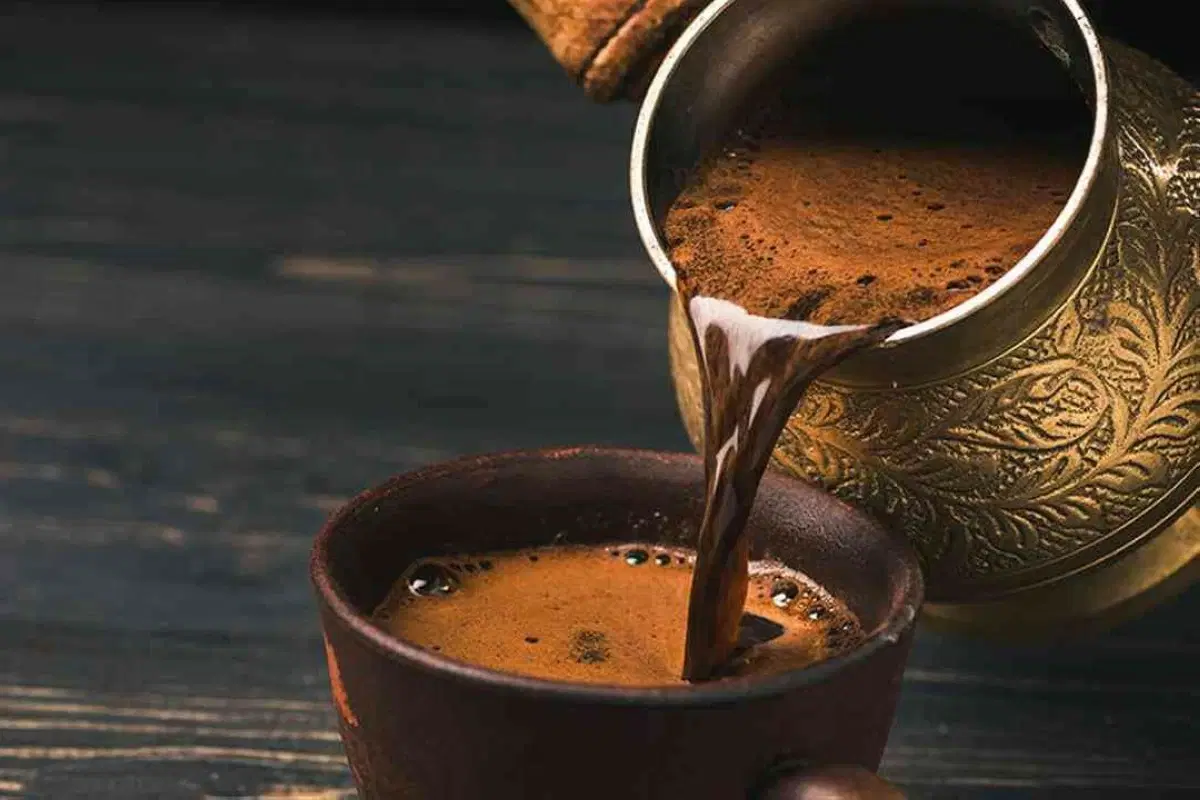
Despite the invasion of modern cafes with their diverse products such as "latte", "espresso", and "specialty coffee" into the lifestyle of the new generation, the "plain Arabic coffee" flavored with cardamom and meticulously measured remains the queen of the Jordanian councils.
Pouring coffee with the left hand and serving the cup with the right hand, and shaking the cup as a sign of satisfaction, are not just spontaneous gestures, but a traditional communication system that has been passed down through generations, indicating warmth, welcome, and mutual respect, and the "first cup (the host), the second (the guest), the third (the vibe), and the fourth (the sword)" are profound symbols of cohesion and covenant.
Cafes and roasters in the capital Amman and the governorates from Irbid to Aqaba open their doors to offer innovative presentations and blends for coffee lovers, keeping this attractive dark drink as a solid bridge linking the heritage of the past with its tradition poured into "luxury", and the modernity of the present represented by a vital economic sector rapidly growing, contributing to the advancement of local development.