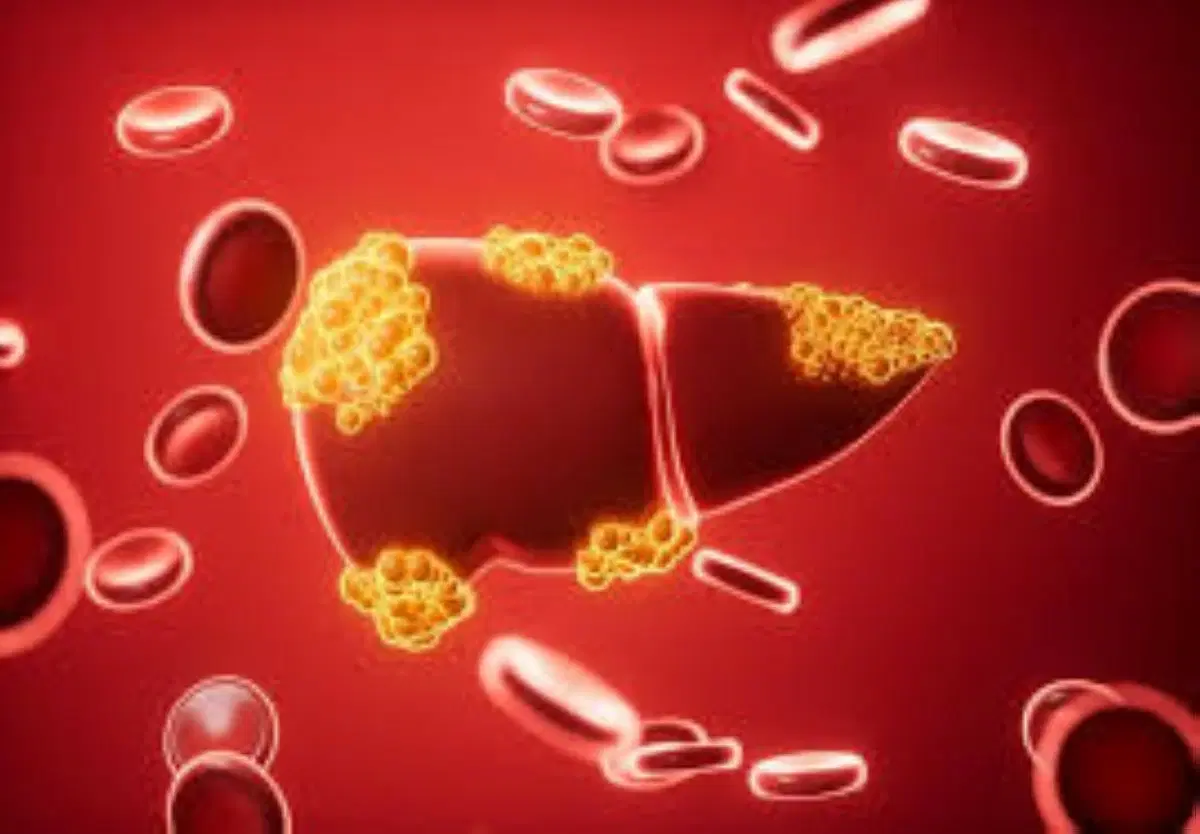
High phosphorus threatens the liver of gout patients
Amman2 min read
Share
A scientific study published in the journal "Frontiers in Nutrition" revealed a link between high blood phosphorus levels and an increased risk of metabolic dysfunction-associated fatty liver disease in men with gout.
The study included 978 men hospitalized for gout, where researchers measured blood phosphorus levels and conducted tests to detect fatty liver disease, which is characterized by the accumulation of fat in the liver due to metabolic disorders.
The results showed that men with the highest phosphorus levels were 2.29 times more likely to develop fatty liver disease compared to those with lower phosphorus levels.
Data analysis also showed that this association persisted even after accounting for other factors, including age, diet, and certain diseases that may affect liver health.
Researchers believe that measuring blood phosphorus levels could serve as an additional indicator for assessing the risk of fatty liver disease in men with gout. However, they emphasized that the results do not prove that high phosphorus directly causes the disease, as phosphorus levels and the participants' health status were assessed at the same time, which does not allow for establishing a cause-and-effect relationship.
Phosphorus is an essential mineral for bone and tooth health and energy production within cells. Nevertheless, experts advise against taking supplements or changing one's diet to increase its levels in the blood without consulting a doctor and undergoing the necessary tests.