Antibiotic resistance threatens millions of lives by 2050
Amman2 min read
Share
The Centers for Disease Control and Prevention (CDC) in the United States has warned of the increasing threat of drug-resistant bacteria and fungi, amid a rise in associated infections and deaths.
According to the new report's estimates, these germs cause about 10 million infections and more than 50,000 deaths annually in the United States, figures that exceed those recorded in 2019.
The report highlighted 19 types of drug-resistant germs, classifying them into different categories based on their level of danger, noting that healthcare-associated infections cause about 40,000 deaths and cost up to $12 billion.
While cases of Clostridioides difficile infection have declined since 2018, infections with the fungus Candida auris have seen a remarkable rise, having increased tenfold since 2019. The danger of this fungus lies in the emergence of strains resistant to all antifungal medications.
Wendy Armstrong, president of the Infectious Diseases Society of America, confirmed that these numbers reflect a reality doctors face daily, with an increasing number of cases matching these statistics.
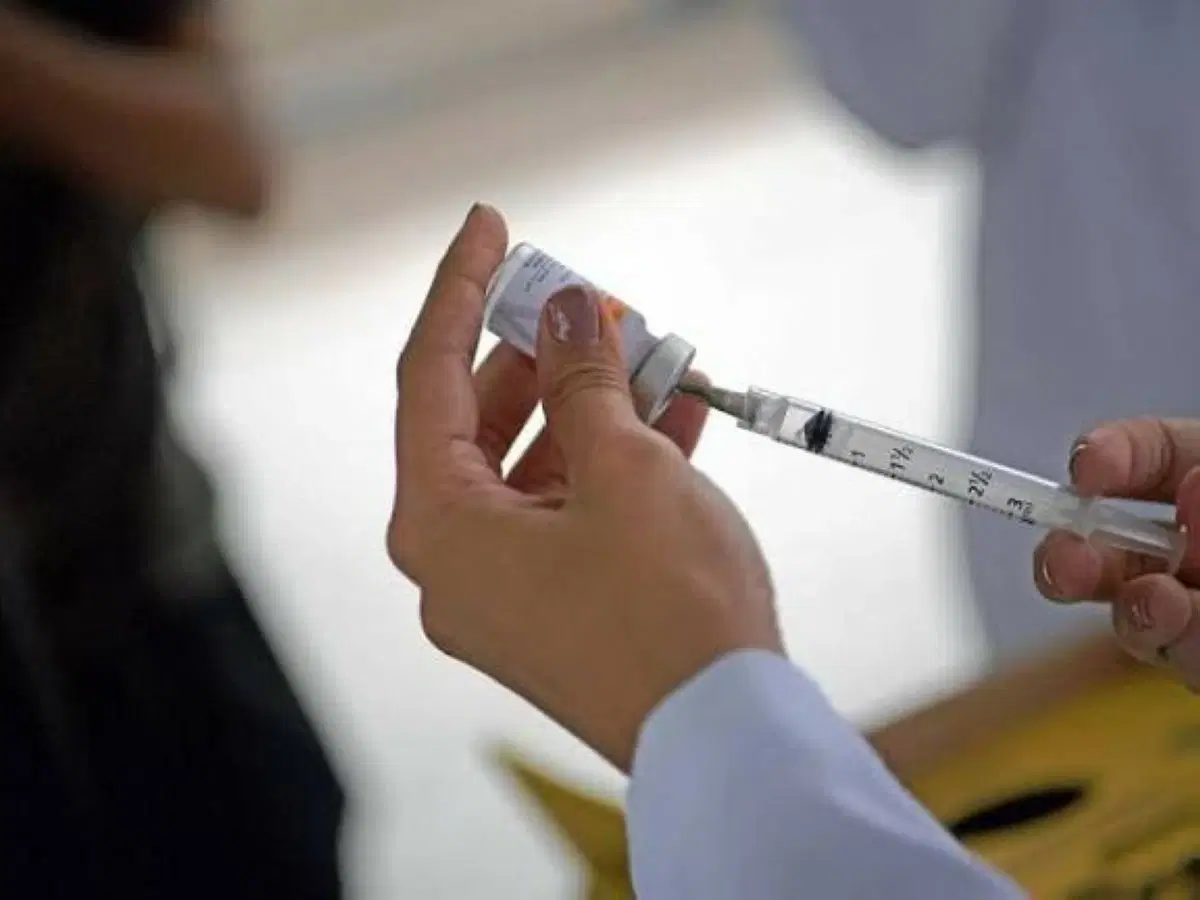
In the face of this threat, scientists are working to develop new ways to combat resistant germs, including vaccines, but the development of effective antimicrobial agents still faces significant challenges.
Weak investment in the development of new antibiotics is considered one of the most prominent obstacles, as high research costs have pushed a number of pharmaceutical companies to withdraw from this field.
Countries and international organizations are seeking to provide incentives to encourage companies to resume research and develop new treatments, amid warnings that antimicrobial resistance could cause up to 10 million deaths annually worldwide by 2050 if effective measures are not taken to contain the crisis.