((Helmet)) saves American journalist's life from settler assault
Amman5 min read
Share
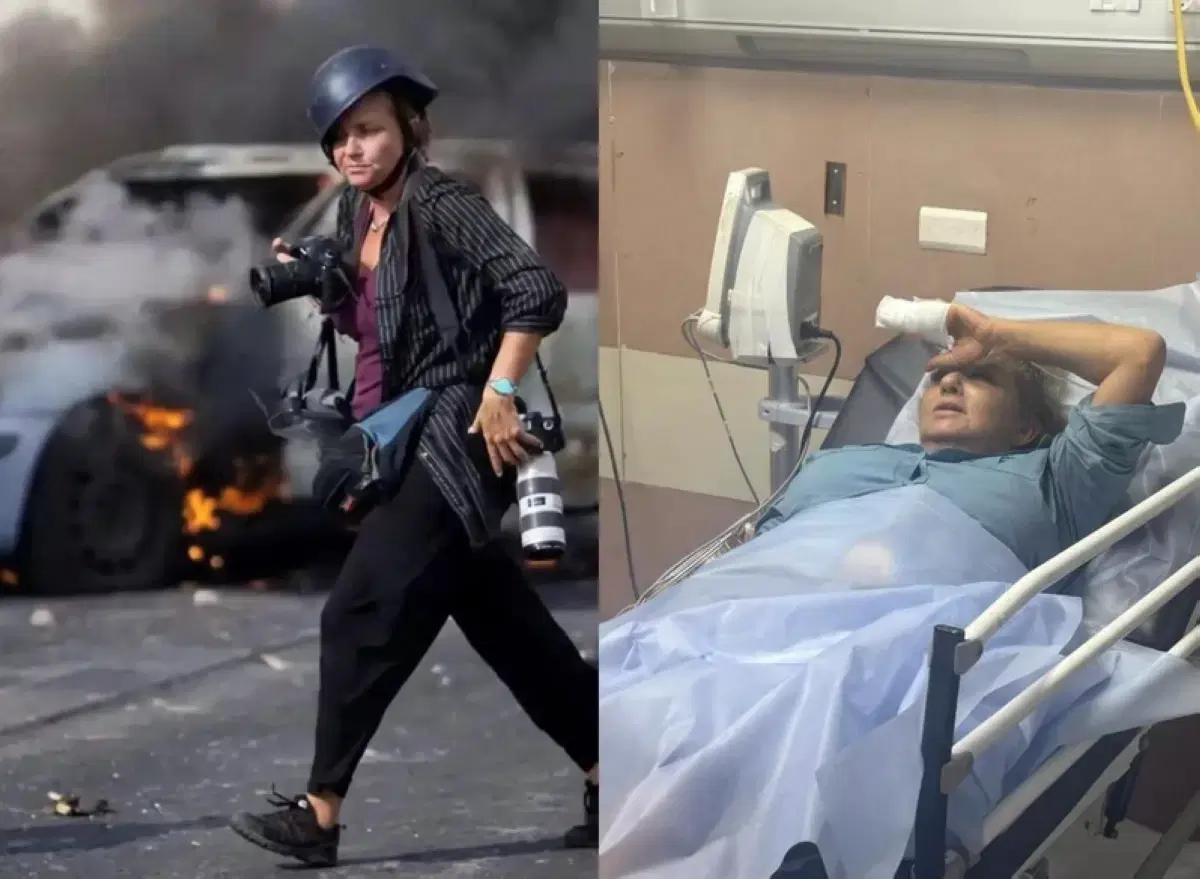
American "Washington Post" correspondent Heidi Levine (63) recounted the details of the violent assault she was subjected to at the hands of masked settlers while covering the olive harvest season in the village of Abu Falah, northeast of Ramallah, confirming that the protective helmet she was wearing likely saved her life and prevented her from sustaining more serious injuries.
Levine said she saw about 15 masked settlers attacking at a distance of nearly 500 meters from her, before they headed toward her and pursued her as she tried to move away while carrying her journalistic equipment.
She added that the assailants knocked her to the ground and beat and kicked her, targeting her head and body, while she tried to protect her camera and journalistic equipment.
She explained that the assault lasted about ten minutes, interspersed with rounds of beatings, and that the settlers smashed a number of her items, including her phone.
She confirmed that the protective helmet she was wearing contributed to protecting her from severe injuries, saying: "If it weren't for my helmet, I wouldn't be alive here."
Following the assault, Palestinian journalists and medical teams rushed to provide her with first aid and transport her to the medical center in Abu Falah, before she was transferred to the hospital for treatment.
Levine expressed her gratitude to the journalists who took the initiative to help and care for her, praising the support she received from her colleagues after the incident.
The Committee to Protect Journalists (CPJ) documented her testimony regarding the assault in an interview conducted with Levine from her hospital bed, in which she described the attackers as a "gang of masked settlers," and said they knocked her to the ground and kicked her repeatedly, while her bag, camera, and phone were stolen.
The committee noted that Levine was wearing a protective vest clearly marked "Press," which was also confirmed by the "Washington Post," which emphasized that its correspondent was wearing protective clothing with a clear press badge while performing her work.
In Washington, Democratic Representative Rosa DeLauro condemned the assault in a statement published on the US House of Representatives website, confirming that masked settlers attacked Palestinian families and beat the American journalist.
She pointed out that a video clip documenting the incident shows that Levine was clearly marked as a journalist, considering that her protective vest and helmet contributed to saving her life while she was being repeatedly kicked.
For his part, the executive editor of the "Washington Post," Matt Murray, expressed his anger over the assault, saying that the journalist was doing her job, and demanding that the authorities conduct a thorough investigation into the incident and hold those responsible accountable.
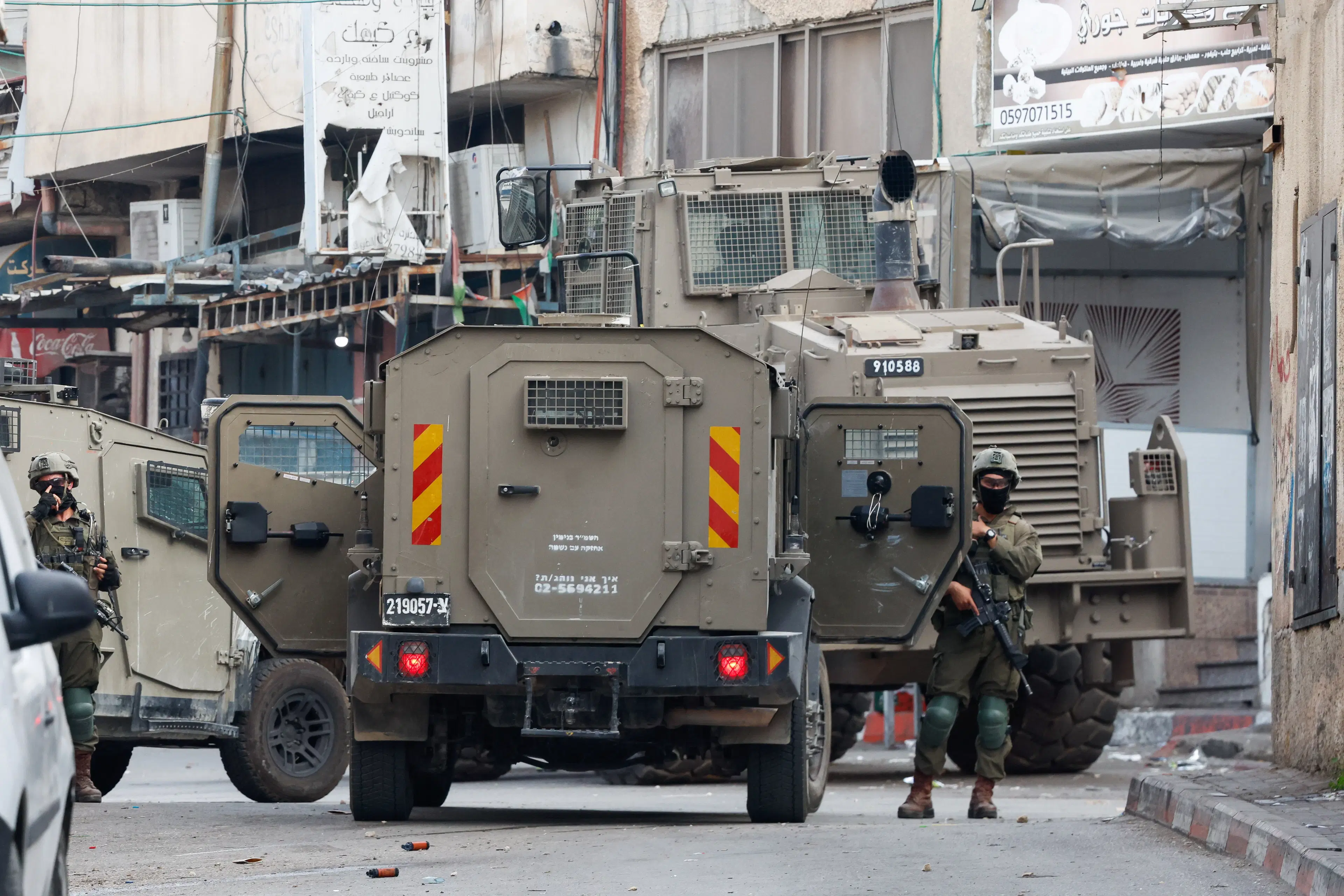
In contrast, the "Times of Israel" newspaper reported, citing witnesses, that about 80 settlers descended from a hill, some of whom were masked and carrying gas canisters.
The newspaper quoted the Israeli occupation army as saying that it is investigating the incident, while the Israeli Prime Minister's office announced that the "circumstances are unclear" and that an investigation is underway, while the Israeli police announced the opening of an investigation into the incident.
In a notable development, Israeli Army Radio reported that a number of former Israeli security officials, including Moshe Ya'alon, Tamir Pardo, and Ami Ayalon, sent a letter to Levine following the assault, in which they expressed "deep shame" for the continued attacks by Jewish settlers on Palestinians and on journalists who document these practices.
The letter stated that what they described as "Jewish terrorists" continue to cause suffering to innocent Palestinians and attack those who expose their actions, considering that these practices bring shame to Israel and the Jewish people.
Levine revealed that she had returned to Palestine two days ago, after covering the war in Ukraine, noting that she has been following the conflict in Palestine for at least three decades.
She said that the recent assault is the second she has been subjected to during her journalistic career, recalling a previous incident that occurred about 15 years ago near the Havat Gilad settlement, in the presence of Israeli army and police forces.
She added that her family's fears of her being killed by settlers existed before the recent assault, explaining that she had a long conversation the day before with her son Michael, who expressed his concern about the possibility of her losing her life while performing her journalistic work.
Levine addressed a message to the families of the assailants, in which she asked how people who commit such assaults are raised, confirming that she witnesses daily settler attacks on Palestinian families, and calling for those responsible to be held accountable.
She described the assailants as "Jewish terrorists," considering that their practices harm their image and reputation, but she expressed pessimism regarding the chances of holding them accountable, given her belief that none of them will stand before the judiciary for the assault or the ongoing attacks.
The assault comes in the context of escalating risks facing journalists while covering events in the West Bank, as the Committee to Protect Journalists has documented at least 16 incidents targeting 35 journalists during 2026, an indicator of the growing threats faced by media workers while reporting facts from the field.