Dollar near 18-month high amid focus on the Middle East
Agencies3 min read
Share
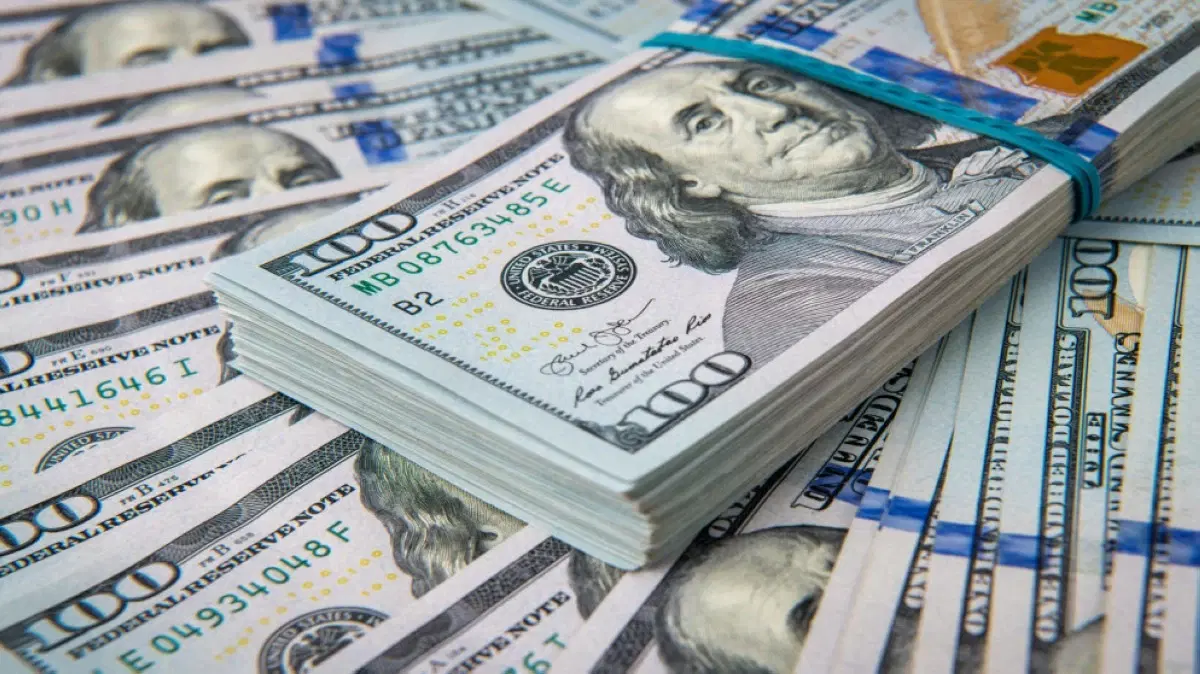
The dollar hovered near an 18-month high on Monday, as escalating conflict in the Middle East led investors to exercise caution ahead of U.S. inflation data due later this week, which will influence monetary policy.
Oil prices saw volatility after the Houthi group in Yemen, allied with Iran, stepped up their attacks on Saudi Arabia, while two oil tankers were attacked over the weekend.
Prices were affected by U.S. President Donald Trump's announcement on Sunday of an energy ceasefire between Ukraine and Russia. Brent crude futures fell 1.4% to $103.3 per barrel during Asian trading hours.
The dollar index, which measures the performance of the U.S. currency against a basket of six currencies, fell slightly to 102.16, but remained near the 18-month high it recorded last week. Trading remained within a narrow range with Japanese markets closed for a holiday, which in turn led to lower liquidity across the region.
Analysts at Commonwealth Bank of Australia said in a note, "We expect the Houthis to continue their attacks on Saudi energy facilities, supporting higher oil prices and the U.S. dollar."
They added that although Iran confirmed it had received a peace proposal from the United States via intermediaries, "we do not expect a sudden shift this week."
Against the yen, the dollar fell 0.06% to 158.245 yen. Both the Australian and New Zealand dollars remained almost stable at $0.69815 and $0.56080, respectively.
Beyond geopolitical developments, market focus is turning to the U.S. Consumer Price Index report to be released on Wednesday, which will be the latest major economic data published before the Federal Reserve (U.S. central bank) meeting in late October regarding interest rates.
The Federal Reserve raised interest rates last month for the first time since 2023 to curb inflation, and markets are closely monitoring economic data to assess whether policymakers will take another step.
The CME FedWatch tool indicates that traders expect an 81% probability that the U.S. central bank will keep interest rates unchanged this month, up from 51% a month ago.
The euro rose about 0.1% to $1.121, after recording losses for the fifth consecutive week, as the single European currency bore the brunt of investor anxiety regarding the financial situation of France, which is witnessing political uncertainty ahead of the presidential elections scheduled for 2027.
The Indian rupee rose 1% to 95.8 against the dollar after the central bank moved to ease pressure on the currency by shifting oil companies' dollar purchases away from the spot market.
The South Korean won hit a two-year high, rising 0.5% to 1334 against the dollar.