Diabetic bread.. 5 signs to help you choose the best type
Amman4 min read
Share
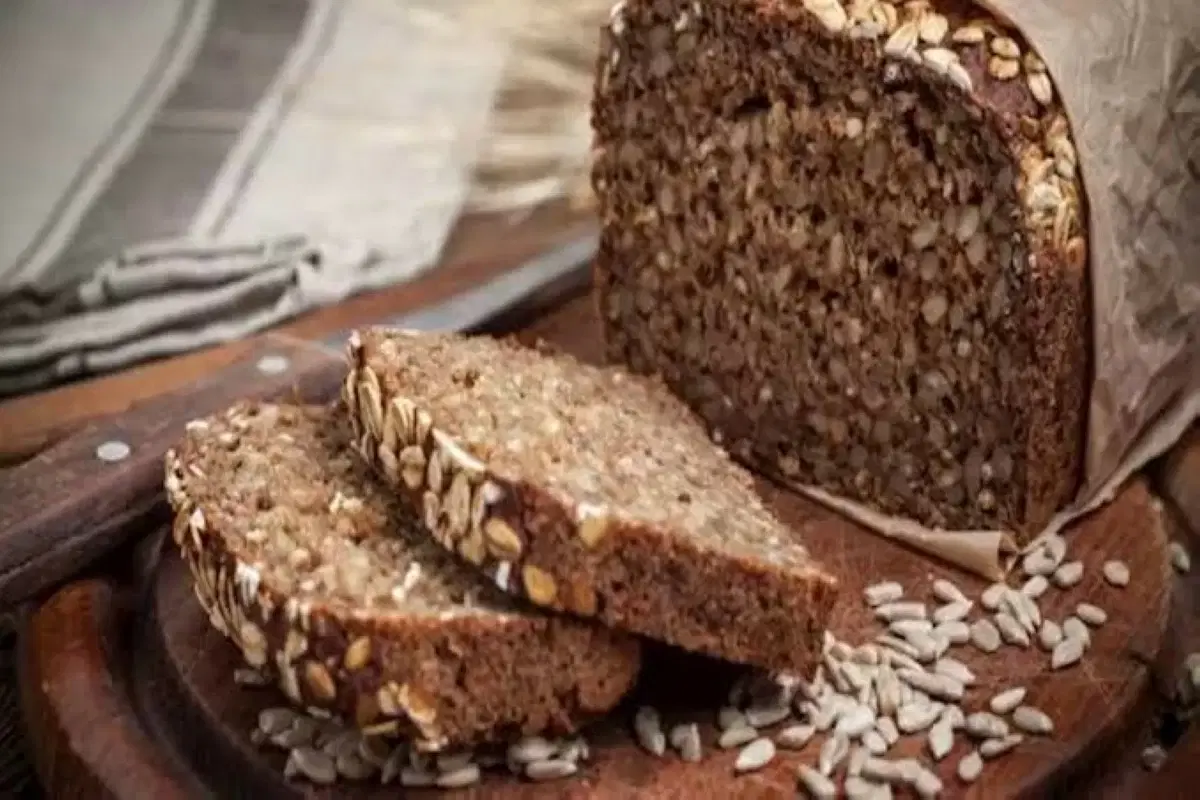
A dark or seed-topped loaf may seem like a healthy choice at first glance, but color and appearance are not enough to judge its suitability for people with diabetes. Some types of brown bread are made from refined flour, and the phrase "multigrain" does not necessarily mean the product contains whole grains.
This does not mean that people with diabetes need to abstain from bread; rather, choosing the right type requires reading the ingredients and nutritional values, and paying attention to portion size.
The American Diabetes Association recommends including whole grains and fiber-rich foods as part of a diet that accounts for an individual's carbohydrate needs.
When buying bread, look for whole grain flour as the first ingredient on the ingredient list, rather than relying solely on the color of the loaf or the words written on the package.
The presence of seeds on the surface does not mean the flour used inside the bread is whole grain, and the variety of grains does not guarantee they are used in their whole form.
Fiber helps slow down digestion and may contribute to better blood sugar control as part of a balanced diet.
The American Diabetes Association notes that a slice of bread containing at least 3 grams of fiber is considered a good source of it.
However, do not forget the slice size; a product may contain more fiber per slice simply because the slice is larger. Therefore, it is useful to compare products by the same weight, and then review the amount you actually consume.
A package may carry the label "low sugar," but it remains high in carbohydrates due to the starches present in the flour, which the body converts into glucose during digestion.
Therefore, when comparing types of bread, pay attention to:
Whole grain bread also contains carbohydrates, and choosing it does not mean that the consumed amount is no longer important.
Sourdough or sprouted grain bread may be marketed as a healthy choice, but the name alone does not guarantee it is nutritionally superior to other types.
The product's composition, the degree of grain milling, and the fiber and carbohydrate content are more useful factors when comparing than color or marketing descriptions.
The simple rule is to read what the package actually contains, rather than relying on the impression given by the shape of the loaf.
The effect of a meal does not depend on the type of bread alone; it is also affected by the amount of carbohydrates in the meal, its components, and the individual's body response.
Bread can be eaten with eggs or another source of protein and vegetables, helping to diversify the meal. However, this does not eliminate the need to count carbohydrates, especially for those following a specific meal plan or using insulin.
Some people with diabetes may need to adjust their portions according to blood sugar readings and their medical team's recommendations.
Before putting bread in your shopping cart, ask yourself three questions: Is whole grain flour the main ingredient? How much fiber does a portion contain? And what are the total carbohydrates in the amount I will eat?
The bottom line: The darker bread is not necessarily the best for a diabetic patient, and the phrase "multigrain" does not mean it is made entirely of whole grains. The most appropriate choice begins with reading the nutrition label, comparing fiber and carbohydrates, and determining a portion that aligns with the individual meal plan.